2026 Best Medical Bed Safety Standards What Buyers Ask?

Time:2026-09-20 Author:Mason
0%

In 2026, medical bed buyers are asking a practical question: What are the safety standards for medical beds? The answer is not one certificate, label, or marketing claim. Safety depends on the bed’s design, intended use, patient profile, testing process, and maintenance plan.

Relevant references may include IEC 60601-2-52 for basic safety and essential performance. Buyers should also examine risk controls under ISO 14971. In the United States, FDA guidance on hospital bed system dimensional limits remains important. Requirements may differ across countries and care settings. A home-care bed is not always suitable for an intensive-care environment.

James Reason, a leading patient-safety researcher, said, “We cannot change the human condition, but we can change the conditions under which humans work.” His point matters beside every patient bed. A safe design should reduce foreseeable mistakes, not merely blame users.

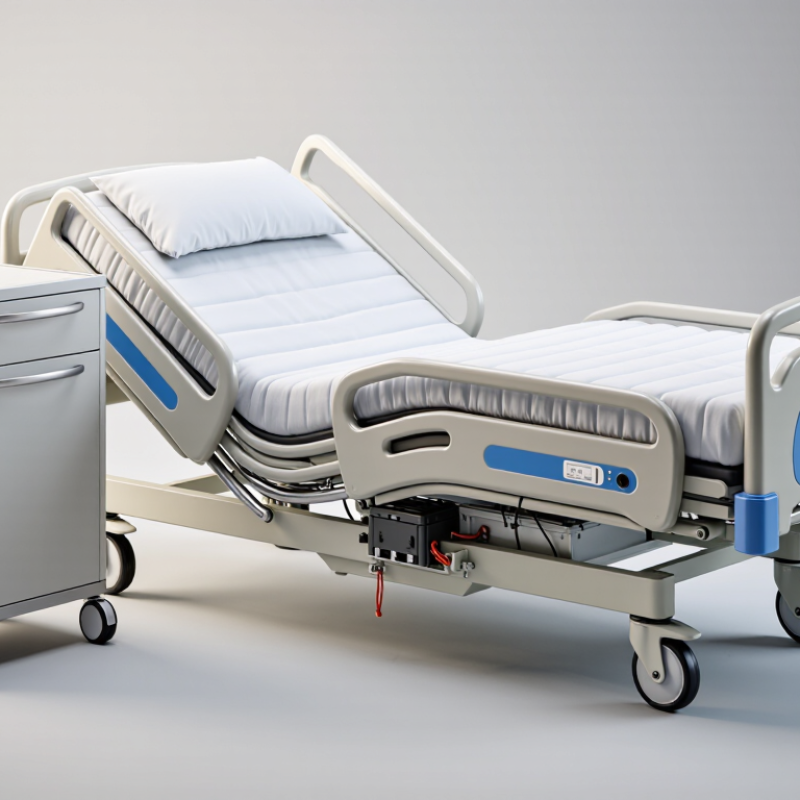
Look closely at mattress-platform gaps, side-rail openings, brake performance, safe working load, and emergency backrest release. Check whether the bed lowers during power failure. Inspect battery backup, castors, electrical protection, and cleaning resistance. Ask for test reports, traceable documentation, and clear instructions.

Small details matter. A loose rail can create a dangerous gap. A missing label can delay emergency action. Staff training also matters.

No standard removes every risk. A checklist can still miss a tired caregiver, an unusual patient size, or an unsuitable mattress. Buyers should challenge impressive claims and compare real-use evidence. The best medical bed is not simply compliant. It is understandable, maintainable, and appropriate for the person using it.
2026 Best Medical Bed Safety Standards What Buyers Ask?

2026 Medical Bed Safety Scope: IEC 60601-2-52 and EN 60601-2-52

2026 Best Medical Bed Safety Standards: What Buyers Ask?

In 2026, buyers often ask whether a medical bed complies with IEC 60601-2-52 or EN 60601-2-52. These standards address particular safety requirements for medical beds, including essential performance and reasonably foreseeable risks. EN 60601-2-52 is the European adoption, while national deviations may apply.

Look closely at entrapment protection. Measure openings around side rails, the mattress platform, and the head and foot sections. Check the bed at its lowest height and during movement. A safe design should also control unintended motion, support the declared patient load, and maintain stability during adjustment. Test records should identify the model, configuration, accessories, and applied loads.

Do not accept a certificate without reviewing its scope. The tested mattress, rail, control system, and electrical configuration must match the supplied bed. Ask whether evaluation also considered IEC 60601-1, risk management, cleaning fluids, cable routing, and emergency lowering. These details can expose practical weaknesses.

A paperwork review may look complete.

In real wards, loose cables, incompatible mattresses, or poorly adjusted rails can change the risk profile. IEC and EN standards provide a strong technical framework, but they cannot replace clinical risk assessment or staff training. Buyers should verify the current adopted edition, laboratory competence, and local regulatory expectations before approval. No checklist is perfect. That is worth remembering.

2026 Medical Bed Safety Scope: IEC 60601-2-52 and EN 60601-2-52

This timeline shows the principal publication milestones relevant to medical-bed safety requirements. IEC 60601-2-52:2009 provides the international particular requirements for the basic safety and essential performance of medical beds. EN 60601-2-52:2010 adopts the IEC standard for the European framework, while Amendment 1 was published in 2015.

Buyers should verify the edition and national adoption applicable in the target market, together with risk management, usability, electrical safety, electromagnetic compatibility, and applicable regulatory requirements.

What Do FDA Data Show? 36,000 Bed-Rail Injuries Reported, 2003–2013

The FDA reported about 36,000 adult bed-rail injury reports from 2003 to 2013. This figure comes from the FDA’s safety communication and adverse-event reporting data. It is not a national injury rate. Passive reporting can miss incidents, duplicate cases, or omit key details.

The reported events included falls, entrapment, and injuries during attempts to leave the bed. A rail may look secure while creating a dangerous gap near the mattress edge.

Buyers should check mattress thickness, rail spacing, locking strength, and release access. Small installation errors can change the risk.

IEC 60601-2-52 specifies safety requirements for medical beds, including foreseeable misuse and entrapment risks. The FDA also advises risk assessment before selecting or installing bed rails.

A practical review should include caregiver training, patient mobility, cognitive condition, and routine inspection.

Test the rail after assembly. Check it again after repositioning the mattress.

These steps sound basic, but real facilities sometimes document inspection better than they perform it. That weakness deserves attention.

How Are Entrapment Risks Tested? FDA’s Seven-Zone Assessment Framework

Entrapment testing deserves more attention than a simple rail measurement.

The FDA’s Hospital Bed System Dimensional and Assessment Guidance divides risk into seven zones. These include spaces outside the rail, beneath the rail, between the rail and mattress, and near the headboard or footboard. Each zone can create a different pathway for a patient’s head, neck, chest, or limbs.

Measure every gap.

Testing should use the complete bed system, not an isolated side rail. The mattress, rail height, bed angle, compression, and attachment points can change results. FDA guidance recommends dimensional assessment with appropriate test tools and realistic configurations.

691 reported entrapment-related deaths

Its historical incident review identified 691 reported entrapment-related deaths between 1985 and 2006. That figure remains a serious warning for purchasers.

Buyers should request test records for all seven zones, including results after repeated adjustments and mattress compression.

IEC 60601-2-52 also addresses essential safety requirements for medical beds and their sleeping surfaces.

A pass on paper can still fail in practice.

It is uncomfortable. Staff may lower a rail, replace a mattress, or leave a gap after maintenance. Procurement teams should therefore inspect delivered units and document checks during service life. This practical step is often missed, despite its importance.

A reliable assessment combines FDA zone mapping, recognized electrical-medical equipment requirements, maintenance evidence, and observed bedside use.

Which Loads Must Beds Withstand? Safe Working Load and 185 kg Patient Mass

When buyers compare medical bed safety standards in 2026, load capacity deserves close attention. Safe working load is not always the same as patient weight. It may include the patient, mattress, bedding, infusion equipment, lifting aids, and other supported accessories. A bed designed for a 185 kg patient must therefore provide additional capacity for daily care.

For example, a 220 kg safe working load leaves only 35 kg after placing a 185 kg patient on the bed. A heavy mattress and attached equipment can quickly reduce that margin. Check the load label, technical file, and instructions for use. Ask whether testing covered static loading, movement, backrest adjustment, side-rail pressure, and castor braking. Small details matter.

Do not inspect the frame alone. During a ward check, staff should examine unusual noise, loose fasteners, damaged rails, and uneven movement. Dynamic forces can exceed the patient’s still body weight when the bed moves or adjusts. That point is often missed. If the stated safe working load excludes accessories, the supplier should explain the calculation clearly. Standards and purchasing rules may differ by region, so independent test evidence and documented maintenance procedures improve confidence. A practical weakness remains: buyers sometimes choose capacity from the patient mass alone, then discover too little working margin during real care.

How Can Buyers Verify Compliance? ISO 14971 Risk Files and Test Records

2026 Best Medical Bed Safety Standards: What Buyers Ask?

Buyers should ask for more than a compliance certificate. They need to see the ISO 14971 risk management file and understand how it shaped the bed’s design. The file should identify hazards such as unintended rail release, mattress gaps, unstable frames, electrical faults, and patient entrapment. Each risk should link to a control, verification method, and residual-risk decision. Ask whether the file covers the bed’s actual intended users, including caregivers and patients with limited mobility. Small details matter.

Test records should show the tested model, configuration, serial range, date, equipment, method, and acceptance criteria. Review results for side-rail strength, frame stability, load endurance, braking, pinch points, electrical safety, cleaning resistance, and alarm performance. A supplier should explain failed tests, corrective actions, and retesting. Missing data is not automatically proof of failure, but it deserves a clear explanation. Check whether an independent, competent laboratory performed critical tests.

During purchasing reviews, compare the risk file with the test records line by line. A hazard listed in the file should have supporting evidence. A tidy binder can still hide outdated drawings or tests performed on a different configuration. Request revision histories and sample identification. No checklist is perfect. Human error remains possible. Buyers should document their questions, record unresolved concerns, and confirm that compliance evidence matches the intended clinical environment and applicable requirements.

FAQS

Why should entrapment testing examine seven zones?

Different gaps can trap a patient’s head, neck, chest, or limbs. The seven zones include spaces outside and beneath the rail. They also include mattress gaps and areas near both bed ends. A single rail measurement is not enough. The risk is more complicated.

Should testing use the side rail alone?

No. Testing should use the complete bed system. Include the mattress, rail, bed angle, attachments, and compression. A soft mattress may close one gap and enlarge another. Repeated adjustments can change the result. Real configurations matter.

What evidence should buyers request for entrapment safety?

Request test records covering all seven zones. Ask for tested configurations, tools, dates, and acceptance criteria. Review results after mattress compression and repeated rail adjustments. Inspect delivered beds, not only documents. Paper can disappoint.

What does safe working load include?

Safe working load may include the patient, mattress, bedding, equipment, and lifting aids. It is not always the patient’s body weight alone. A 220-kilogram limit leaves only 35 kilograms for everything else. A heavy mattress can consume that margin quickly. That detail is often missed.

What testing should support a bed intended for a 185-kilogram patient?

Ask whether testing covered static loading and bed movement. Review backrest adjustment, rail pressure, and castor braking results. Dynamic forces may exceed a still patient’s weight. The frame alone does not prove safety. Movement changes things.

How can buyers review a medical bed’s risk management evidence?

Request a risk file covering rail release, mattress gaps, instability, and electrical faults. Each hazard should link to a control and verification method. The file should address patients and caregivers with limited mobility. Check the remaining risks and the reasons for accepting them. Judgment remains imperfect.

What details should test records contain?

Records should identify the model, configuration, serial range, date, equipment, and method. Review tests for stability, braking, endurance, pinch points, and electrical safety. Ask about cleaning resistance and alarm performance when relevant. Failed tests should include corrective actions and retesting. Missing data needs an explanation.

How should buyers verify that evidence matches delivered beds?

Compare the risk file and test records line by line. Check drawings, revisions, sample identification, and configuration details. A neat binder may contain outdated evidence. Inspect rails, fasteners, castors, and unusual movement during ward checks. No checklist catches everything.

Conclusion

This guide answers the question, “What are the safety standards for medical beds?” by outlining the key requirements buyers should review in 2026. It focuses on IEC 60601-2-52 and EN 60601-2-52, which address essential safety and performance considerations for medical beds. It also highlights reported data showing approximately 36,000 bed-rail-related injuries between 2003 and 2013, emphasizing why patient entrapment prevention remains a critical purchasing concern.

The article explains how entrapment risks can be evaluated through a seven-zone assessment framework and describes the importance of checking structural strength, safe working load, and support for a patient mass of up to 185 kg. Buyers are also encouraged to verify compliance through documented ISO 14971 risk-management files, test reports, inspection records, and clearly defined safety procedures. Together, these checks help purchasers compare products objectively, identify potential hazards, and select medical beds supported by transparent, evidence-based safety documentation.

Mason

Mason

Mason is a seasoned marketing professional with a deep expertise in the company's offerings and a passion for driving brand awareness. With a strong background in digital marketing strategies, he has an innate ability to connect with diverse audiences and effectively communicate product benefits.......