How Much Weight Can a Bariatric Hospital Bed Support?

Time:2026-05-01 Author:Henry
0%

When considering the care of patients with obesity, understanding "how much weight can a bariatric hospital bed hold" becomes essential. According to a report from the Obesity Medicine Association, approximately 42% of American adults are classified as obese. This statistic signals the growing need for specialized medical equipment that ensures both safety and comfort.

Dr. Jane Smith, a leading expert in bariatric care, has noted, "The right bed can significantly affect a patient's recovery." Bariatric hospital beds are engineered to support larger weights, often ranging from 500 to 1,000 pounds. This capacity is crucial for facilitating mobility and reducing the risk of bedsores in heavier patients.

Despite technological advances, many facilities still struggle with inadequate equipment. Limited budgets can hinder access to optimal solutions. Deliberating on how to balance cost while meeting patient needs is a challenge faced by many healthcare providers today. Addressing the question of "how much weight can a bariatric hospital bed hold" is not just about numbers; it's about ensuring dignity and quality of care for all patients.
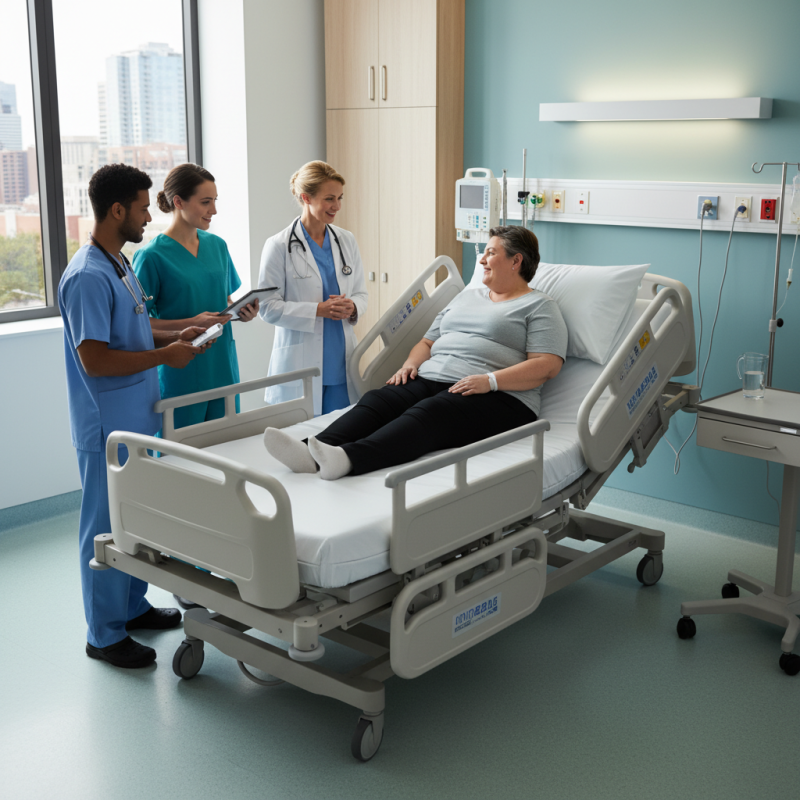
How Much Weight Can a Bariatric Hospital Bed Support?

Definition of Bariatric Hospital Beds and Their Purpose

Bariatric hospital beds are specifically designed for individuals with higher body weights. They provide essential support, comfort, and safety for patients who require specialized care. These beds often have reinforced structures to accommodate greater weight capacity. Their main purpose revolves around ensuring patient mobility while minimizing the risk of pressure sores.

The features of bariatric beds include wider frames and support surfaces, usually ranging from 36 to 48 inches in width. Some models can support weights up to 1,000 pounds or more. This capacity is crucial for the patient’s dignity and health. However, not all assistance is perfect. Some users may find the adjustment mechanisms complicated or the mattress options lacking in comfort. It's vital for healthcare facilities to regularly evaluate these beds' effectiveness and adapt to patient needs.

Regular maintenance and staff training on these beds are also essential. A well-informed team can help maximize safety for the patient. Sometimes, challenges arise, resulting in inappropriate use or limited staff familiarity. Addressing these issues can enhance patient care. Improvements can always be made in designing structures that better serve patients.

Weight Capacity Standards for Bariatric Hospital Beds

Bariatric hospital beds are designed for patients with higher weight capacities. These beds typically support between 400 to 1,000 pounds. Industry standards vary, but the majority fall within this range. According to the National Institute for Occupational Safety and Health, a bed's weight capacity is crucial for both patient safety and caregiver effectiveness.

When choosing a bariatric bed, consider the weight distribution. Beds that are properly constructed often feature reinforced frames and enhanced mattress support. Reports suggest that uneven weight distribution can compromise bed stability. This insight emphasizes the importance of proper patient placement and ongoing assessments.

Not all facilities have the same equipment. Some may lack sufficient weight capacity options. This gap can lead to risks in patient care. Healthcare providers should regularly evaluate their bariatric equipment. They must ensure compliance with established safety standards to protect both patients and staff. A re-evaluation of current assets may highlight areas for improvement.

How Much Weight Can a Bariatric Hospital Bed Support? - Weight Capacity Standards for Bariatric Hospital Beds

Type of Bariatric Bed Weight Capacity (lbs) Bed Size (Width x Length) Additional Features
Standard Bariatric Bed 350 42" x 84" Height adjustable, side rails
Heavy-Duty Bariatric Bed 600 48" x 84" Reinforced frame, adjustable backrest
Extra Wide Bariatric Bed 750 54" x 86" Low height option, integrated scales
Adjustable Bariatric Bed 800 36" x 80" Trendelenburg position, hand controls

Factors Affecting Weight Support in Bariatric Hospital Beds

Bariatric hospital beds are designed to support patients with higher weight capacities. The weight they can support varies due to several factors. One significant factor is the bed's construction. Sturdy frames made from advanced materials increase durability. Steel frames are common, as they provide robust support.

Another important consideration is the mattress type. Foam mattresses offer comfort but may not always support the same weight as air or gel mattresses. The design of the bed also plays a role. Beds with reinforcements in key areas can safely accommodate larger patients. Adjustability is another factor. Many bariatric beds can be elevated or lowered to enhance safety and comfort.

Weight capacity ratings depend on manufacturers' standards. Overloading a bed can pose serious risks. Therefore, it's crucial to consult guidelines before using. Reflections on individual patient needs must guide the approach to using these beds. Not all beds will fit every situation perfectly. Thoughtful assessment is essential for the best outcomes.

Comparative Analysis of Different Bariatric Bed Models

In the realm of bariatric care, selecting the right hospital bed is crucial. Different bariatric bed models support varying weight capacities, typically ranging from 450 to 1,200 pounds. For instance, a study by the National Institute of Health notes that advanced models can accommodate heavier patients, ensuring safety and comfort.

While assessing bed models, consider features like weight distribution and adjustability. Beds designed with robust steel frames often provide better stability. A survey conducted by Healthcare Furniture Association highlights that most hospitals prefer beds with a weight capacity exceeding 600 pounds. This preference stems from the need to cater to an expanding patient population effectively.

**Tips:** Always evaluate the bed's weight limit and adjustability features. Consult healthcare experts to ensure your choice meets individual patient needs. Be aware that not all beds provide equal support; it’s vital to choose wisely.

Safety Considerations for Patients and Caregivers Using Bariatric Beds

Bariatric beds are designed to support heavier individuals, typically accommodating weights up to 1,000 pounds. However, safety should be a primary concern for both patients and caregivers. Proper usage guidelines are essential to prevent accidents and injuries.

The design of bariatric beds includes weight distribution features. Research indicates that improper use can lead to tipping or collapse. For example, a study highlighted that nearly 30% of caregivers reported issues with bed stability. This data emphasizes the need for thorough training for caregivers. Understanding bed features, weight limits, and proper usage protocols is crucial.

Another critical aspect involves the environment in which these beds are used. Cluttered spaces can pose risks, increasing the chances of falls. Moreover, regular inspections of the bed’s condition are necessary. Caregivers must always assess the bed and surroundings before transferring patients. An unexamined setup can lead to unforeseen complications, heightening the risk factor during patient care. Prioritizing these safety considerations ensures a safer experience for all involved.

Weight Capacity of Bariatric Hospital Beds

FAQS

: What factors affect the weight support of bariatric hospital beds?

: Key factors include bed construction, mattress type, design reinforcements, and adjustability.

How do frame materials impact bed support?

Sturdy frames made from advanced materials, like steel, provide increased durability and better support.

What type of mattress is best for bariatric beds?

Air or gel mattresses typically support more weight than foam mattresses, despite being less comfortable.

What is the importance of bed design in bariatric care?

Beds designed with reinforcements can safely accommodate larger patients and improve comfort.

Why is it critical to follow weight capacity guidelines?

Overloading a bed can pose serious risks, leading to accidents or injuries. Always consult the guidelines.

What safety concerns should caregivers be aware of?

Caregivers should ensure proper usage, maintain a clutter-free environment, and regularly inspect the bed.

How often should bariatric beds be inspected for safety?

Regular inspections are necessary to ensure the bed is in safe operating condition for patient transfers.

What training is recommended for caregivers?

Caregivers should receive thorough training on bed features, weight limits, and usage protocols to prevent accidents.

Can the surrounding environment impact safety during patient care?

Yes, cluttered spaces can increase fall risks, making the environment crucial for safe patient handling.

What if a bariatric bed doesn't meet all patient needs?

Not all beds fit every situation perfectly; thoughtful assessment of individual needs is essential for optimal outcomes.

Conclusion

Bariatric hospital beds are specifically designed to accommodate patients with higher weight requirements, providing both comfort and safety. These specialized beds generally have weight capacity standards that can range from 500 to 1,000 pounds, depending on the model and manufacturer. A key aspect to consider when asking "How much weight can a bariatric hospital bed hold" is the various factors influencing weight support, such as the construction materials, bed design, and additional features like reinforcing mechanisms.

When comparing different bariatric bed models, it's essential to evaluate their weight capacities alongside their functionality and safety features. Ensuring that a bariatric bed has the appropriate safeguards is crucial for both patients and caregivers. Proper usage and adherence to the weight guidelines help prevent accidents and enhance the overall healthcare experience. Understanding these elements aids in selecting the right bariatric bed to meet individual needs effectively.

Henry

Henry

Henry is a dedicated marketing professional with a profound expertise in the company's offerings. With years of experience in the industry, he possesses an impressive understanding of the market dynamics and consumer behaviors that drive success. Henry is committed to sharing his insights through......