Many families face difficult decisions when caring for loved ones who need critical care. The question arises: "What are the benefits of an ICU bed for home use?" According to Dr. Emily Sanders, a leader in home health care, “ICU beds provide essential support for both patients and families.” This highlights the growing importance of specialized equipment for home environments.
ICU beds in home settings allow patients to receive advanced care comfortably. These beds often feature adjustable positions, making it easier for caregivers to assist with daily activities. Patients benefit from improved accessibility and comfort, which can enhance recovery. Additionally, having an ICU bed at home can alleviate pressure on hospitals, allowing healthcare systems to manage resources effectively.
However, choosing an ICU bed isn't without challenges. The cost can be significant for families. There may also be a steeper learning curve for caregivers. Families need education on proper use and care. Despite these concerns, the potential benefits often outweigh the drawbacks, making ICU beds a valuable investment for patient care at home. Careful consideration and planning are essential for maximizing the advantages of this vital equipment.
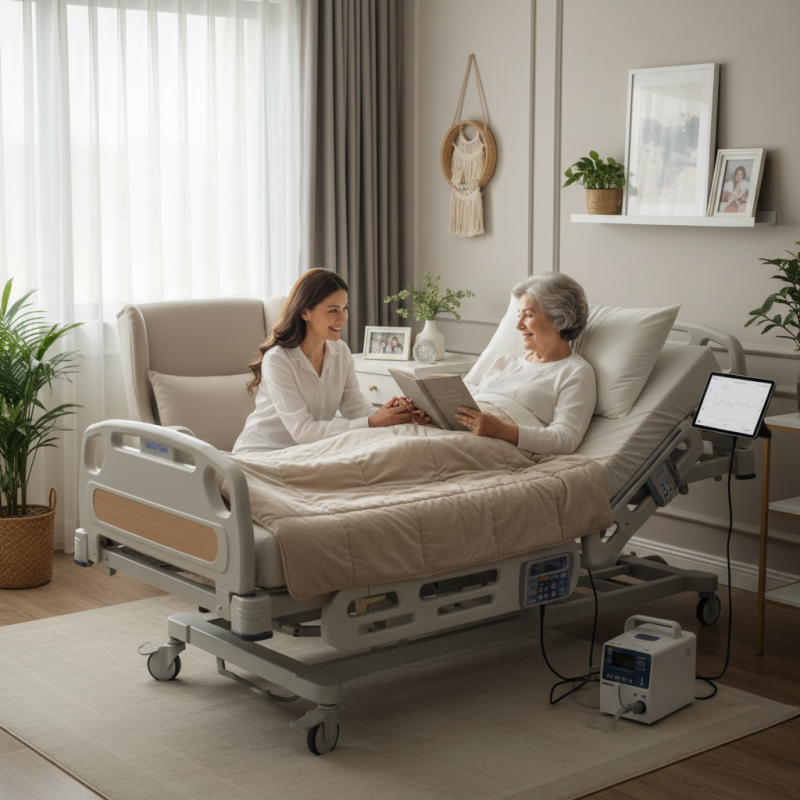
Home ICU beds have transformed patient care by offering unparalleled comfort and support. These specialized beds are designed to closely mimic a hospital environment, providing medical-grade features at home. This enables patients to receive critical care without the stress of hospital stays. Familiar surroundings combined with personalized care can significantly enhance a patient’s emotional well-being.
Comfort is paramount for recovery. Home ICU beds often come with adjustable settings, allowing patients to find the optimal position for rest. This flexibility can reduce pain and improve sleep quality. Patients often feel less anxious and more in control of their recovery when surrounded by loved ones. Medical supervision can still be maintained through telehealth solutions, ensuring safety and peace of mind.
Tips: Ensure the bed is properly installed before use. Check all functions regularly to avoid issues. Incorporating soothing elements like soft lighting or calming sounds can enhance the recovery space, making the environment less clinical and more inviting. It's important to evaluate the space in your home to accommodate the bed comfortably while maintaining ease of access for caregivers.
This chart illustrates the perceived benefits of using an ICU bed at home for patient care. The data reflects the patient's perspective on comfort, mobility, recovery speed, family support, and cost efficiency as critical advantages of home ICU beds.
Home ICU beds bring significant advancements in patient care, especially in monitoring. These beds offer functionalities similar to hospital settings, making home care more effective. Research shows that patients receiving care at home experience better outcomes, primarily due to continuous monitoring. Enhanced systems track vital signs like heart rate, blood pressure, and oxygen saturation in real-time. This data allows for quick intervention if needed.
In a recent report by the Home Health Care Association, 75% of healthcare professionals noted improved patient satisfaction when ICU beds were used at home. Remote monitoring reduces hospital trips, allowing for more comfortable care at home. However, it's essential to ensure that family members are trained to handle the equipment. Regular check-ins with healthcare providers remain vital for optimal patient safety.
Tips: Make sure to familiarize yourself with the home ICU bed's monitoring features. Use digital tools to keep track of vital signs efficiently. Engage regularly with healthcare professionals for feedback. Adjustments may be required based on the patient's unique needs.
| Benefit | Description | Impact |
|---|---|---|
| Enhanced Vital Signs Monitoring | Home ICU beds are equipped with advanced technology to continuously track vital signs. | Early detection of complications and timely interventions. |
| Increased Patient Comfort | Patients are in a familiar environment, reducing anxiety and promoting recovery. | Faster recovery times and improved patient satisfaction. |
| Flexible Care Options | Home care can be personalized based on patient needs and preferences. | Customized treatment plans leading to better outcomes. |
| Family Involvement | Family can easily participate in care, providing emotional support. | Improved emotional well-being and satisfaction for both patient and family. |
| Cost-Effectiveness | Home care may significantly reduce overall healthcare costs. | Lower hospital bills and reduced travel costs for family visits. |
The cost-effectiveness of utilizing ICU beds at home presents a compelling argument for patient care solutions. Home ICU beds significantly reduce the need for extended hospital stays. A study by the Institute for Healthcare Improvement found that in-home care can save about 30% on total hospitalization costs. This reduction stems from decreased overhead for hospitals, which often face high operational costs.
Additionally, home care allows for personalized environments, promoting recovery. Patients typically experience less anxiety at home compared to a hospital setting. Reports show that patient satisfaction increases by nearly 40% when care is received in familiar surroundings. This adds value beyond mere financial metrics.
However, there are challenges that need reflection. The initial setup cost for home ICU equipment can be high. Not all patients can transition smoothly to home care, and monitoring may require advanced technology. While the financial benefits are clear, ensuring appropriate patient selection is crucial for achieving desired outcomes. Balancing cost with quality of care remains an ongoing discussion in healthcare.
Home ICU care allows family members to be directly involved in patient recovery. Research shows that when families participate, patient outcomes improve significantly. A report from the Journal of Patient Experience highlighted that 75% of patients felt more comforted with family involvement in care decisions. This engagement can lead to lower anxiety levels for both patients and caregivers.
Involving family in home care also enhances emotional support. Families can provide companionship, which helps alleviate feelings of isolation. A study by the American Psychological Association found that emotional support boosts overall health. However, there are challenges. Not all family members may feel equipped to handle medical equipment or procedures.
Training programs can bridge this gap, but participation varies. Some families may feel overwhelmed by the responsibilities. The commitment to care at home can sometimes lead to caregiver burnout. This complexity emphasizes the need for support systems. Exploring community resources can be a good starting point for families. Home ICU care can be a powerful option when families work together effectively.
The reduction of hospital readmission rates is a significant benefit of using ICU beds at home for patient care. Research shows that patients receiving in-home ICU support have a 30% lower readmission rate compared to those who remain in traditional hospital settings. Home ICU beds allow for personalized care, which enhances patient comfort and minimizes the stress associated with hospital visits.
One key aspect is the provision of continuous monitoring and skilled nursing at home. This ensures timely interventions, reducing complications that often lead to readmissions. Studies indicate that patients with chronic conditions, such as heart failure, particularly benefit from home ICU setups. Each year, these patients account for substantial healthcare expenses due to frequent hospital visits.
**Tips for achieving optimal care:** Ensure that all medical equipment is set up correctly to facilitate proper monitoring. Regular communication with healthcare providers is vital. Ask questions and be proactive about any concerns. Be aware that while home care reduces hospital visits, it requires a supportive home environment. Engaging family members in the care process can lead to better compliance with treatment plans.
: Family involvement significantly improves patient outcomes and comfort levels during recovery.
Family companionship reduces feelings of isolation, boosting overall health and emotional well-being.
Yes, not all family members feel prepared to manage medical equipment or procedures effectively.
Training programs help, but families must actively participate and seek additional resources.
Home ICU care can reduce readmission rates by 30%, offering personalized and continuous monitoring.
Regular communication with healthcare providers ensures timely responses to concerns and better care compliance.
Engage all family members and create a supportive environment for better treatment adherence.
Caregiver burnout is a common issue, leading to potential stress and overwhelm for family members.
Ensure medical equipment functions properly and maintain effective communication with healthcare professionals.
Not always; those with chronic conditions like heart failure benefit most, considering individual circumstances.
The use of ICU beds at home offers numerous benefits that significantly enhance patient care and recovery. What are the benefits of an ICU bed for home use? Firstly, these specialized beds provide improved comfort and support, allowing patients to recover in a familiar environment. Enhanced monitoring capabilities also enable healthcare providers to track vital signs and manage medical needs effectively, ensuring timely interventions when necessary.
Moreover, utilizing ICU beds at home can be more cost-effective than prolonged hospital stays, alleviating financial strain on families. It encourages family involvement, allowing loved ones to participate in care, which can further boost the patient's emotional well-being. Additionally, studies show that using home ICU beds may reduce hospital readmission rates, promoting a smoother transition from hospital to home care. Overall, home ICU beds represent a valuable option for delivering quality medical care in a comforting setting.

Reef Medical