Home healthcare has become increasingly relevant. More families are considering advanced solutions for patient care. One such solution is the use of ICU beds at home. What are the benefits of an ICU bed for home use?
ICU beds provide specialized support for patients. They are designed for comfort and safety. Features include adjustable height and side rails. This can enhance a patient’s recovery experience. The flexibility allows caregivers to manage care more efficiently. Families can create a familiar environment that promotes healing.
Moreover, having an ICU bed at home can reduce hospital visits. It helps in monitoring a patient’s condition closely. However, not all families may be ready for this responsibility. Evaluating your needs and resources is crucial. Understanding its implications can guide better decisions. An ICU bed offers significant advantages but also poses challenges that need reflection.
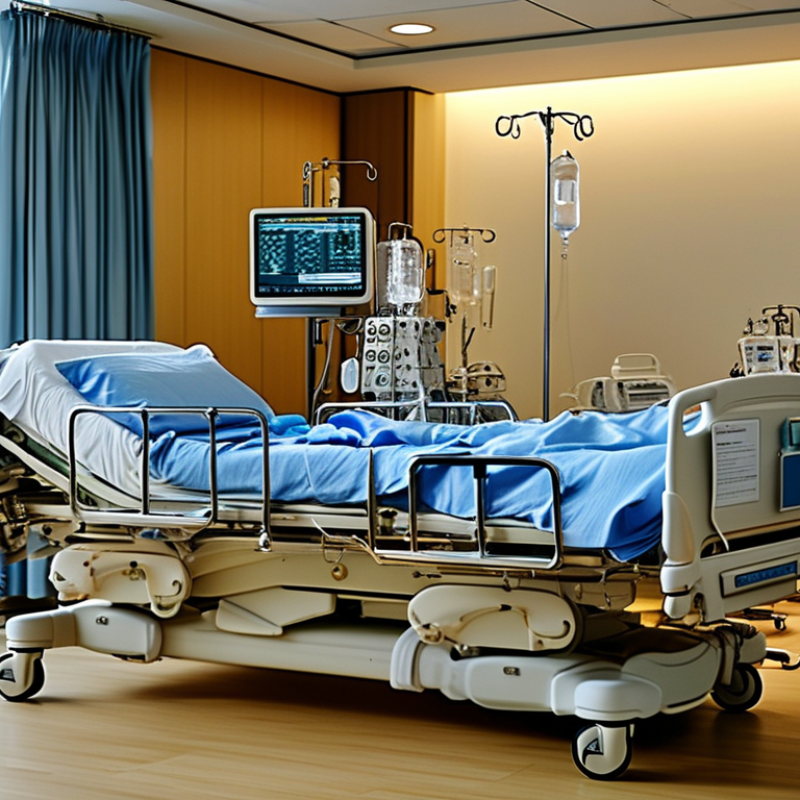
The use of ICU beds at home offers significant benefits for patient care. Research indicates that around 90% of patients prefer to be treated in familiar surroundings. Home care can enhance comfort and promote faster recovery. A study published in the Journal of Telemedicine found that patients recover 20% quicker at home compared to traditional hospital settings.
However, utilizing ICU beds at home is not without challenges. Proper setup is crucial. Patients require continuous monitoring, including vital signs management. Without the right equipment, complications may arise. According to health experts, 30% of home care patients experience unexpected health declines due to inadequate resources.
Moreover, caregivers often feel overwhelmed. They may lack the expertise to handle emergencies. Education and training are necessary for family members. A survey showed that 40% of caregivers seek more training to manage home care effectively. Despite these hurdles, the benefits are evident. ICU beds at home provide a tailored approach to patient care that ensures comfort and quickens recovery, as long as the necessary supports are in place.
Home care settings are becoming increasingly popular for those requiring intensive medical attention. ICU beds are now being used to enhance patient comfort and dignity. Research shows that patients often feel more at ease when they receive care in familiar surroundings. This feeling of safety can significantly improve their overall mental health and recovery process.
A study published in the Journal of Home Health Care suggests that 75% of patients express a desire to remain at home during treatment. This preference often leads to better emotional well-being. Patients report feeling less anxious and more in control of their environment. Comfortable ICU beds can support this need, providing essential features that hospital beds offer but in a more personal setting.
However, not all home care setups can sufficiently replicate hospital resources. The absence of immediate medical supervision could pose risks. Ensuring that professional healthcare workers are available is critical. Even with the comfort of an ICU bed, care without proper monitoring can complicate recovery. The balance between comfort and safety requires careful consideration to maximize benefits.
ICU beds at home provide a crucial advantage in patient care, particularly in monitoring and safety. These beds often come with advanced features, such as adjustable height and integrated safety rails. This adaptability allows caregivers to position the bed at a comfortable level, minimizing strain during patient transfers. The built-in safety rails help prevent falls, a common concern for patients with limited mobility.
Furthermore, ICU beds are equipped with monitoring devices that track vital signs. This continuous monitoring is vital for early detection of complications. Nurses or family members can receive alerts when a patient's condition changes, allowing for timely interventions. This proactive approach can significantly improve patient outcomes. However, it’s critical to ensure that caregivers are trained in using these technologies effectively.
Despite these benefits, the use of ICU beds at home is not without challenges. The cost and space required for these beds can be limiting factors. Additionally, overseeing the technology can be overwhelming for some caregivers. Patients may also feel anxious or confined in an ICU-like setting, which may impact their emotional well-being. Balancing the benefits of safety with the need for a comforting home environment is essential in patient care.
| Feature | Description | Benefits |
|---|---|---|
| Vital Signs Monitoring | Continuous tracking of heart rate, oxygen levels, and blood pressure. | Early detection of complications and timely intervention. |
| Medication Management | Automated reminders and administration of medication dosages. | Increased adherence to treatment plans and reduced hospital visits. |
| Patient Mobility Features | Adjustable height and tilting capabilities for easy positioning. | Enhanced comfort and prevention of bed sores. |
| Emergency Call System | Integrated communication system to alert caregivers or emergency services. | Quick response during critical situations. |
| Enhanced Safety Features | Side rails, locking wheels, and stability features. | Reduced risk of falls and accidents. |
Home ICU beds offer unique benefits for patient care. They provide necessary medical support while allowing patients to stay in a familiar environment. This setting fosters emotional comfort and reduces stress levels. Patients often heal better when surrounded by loved ones.
Family involvement in the care process enhances the overall experience. Family members can participate actively in everyday tasks, like medication administration or monitoring vital signs. This engagement promotes a sense of empowerment for the family. It also builds stronger bonds during challenging times. However, it is essential to ensure family members feel equipped to take on these responsibilities.
Sometimes, family involvement can lead to unexpected challenges. Emotional stress may arise, and not everyone is prepared for the demands of caregiving. Communication between family members is crucial to navigate these difficulties. Balancing caregiving duties with personal needs is essential for sustainability. Each family's situation is unique, and flexibility is vital in this journey.
This chart illustrates the benefits of using ICU beds at home for patient care, highlighting key areas where family involvement increases the effectiveness of care.
The rising trend of using ICU beds at home has gained attention, especially for its cost-effectiveness when comparing to traditional hospital stays. A study by the National Home Infusion Association indicates that home health care can reduce hospital costs by an estimated 25-50%. This significant reduction is due to lowered hospital charges and potential readmission rates. Utilizing home ICU beds can lead to savings while providing patients with comfort and familiarity.
While the initial setup for home ICU care may appear costly, studies show that over time, families can save substantially. The cost per day for home care often averages around $200, while hospital stays can reach $2,000 per day or more. In many cases, this leads to better patient outcomes, with reports suggesting that home environments facilitate faster recovery. It's essential to assess the needs of each patient carefully; not every case is suitable for home care.
Tips: Consider the patient’s specific health needs when exploring home ICU options. Regularly check equipment and ensure caregiver training is up to date. Also, establish a robust support network of health professionals. Balancing comfort with medical requirements can create a better healing environment at home.
ICU beds at home offer unique adaptability for various medical conditions. Patients recovering from surgery may require elevated positions. An ICU bed can adjust to keep them comfortable. These beds can also accommodate patients with respiratory issues. They often provide better airflow and can be raised to assist with breathing treatments.
Chronic illness management benefits greatly from these beds. For patients with severe mobility restrictions, the functionality of an ICU bed allows caregivers easier access. However, not all homes are equipped for such specialized equipment. Space limitations can be an issue. It’s crucial to evaluate whether the room can accommodate this necessary care.
Moreover, while ICU beds enhance comfort and care, they aren’t a one-size-fits-all solution. Some patients may find them intimidating due to their clinical appearance. Ensuring a welcoming environment is essential. Balancing medical needs with emotional health is not always straightforward. Successful home care requires a thoughtful assessment of both medical and personal requirements.
: ICU beds at home enhance comfort and promote faster recovery, with patients recovering 20% quicker than in hospitals.
Around 90% of patients prefer familiar surroundings, which can positively affect their recovery.
Caregivers may feel overwhelmed and lack the expertise needed to handle emergencies effectively.
Education and training for family members are essential, as 40% of caregivers report seeking more help.
ICU beds have adjustable heights and safety rails that help prevent falls and ease patient transfers.
They come with devices that track vital signs, providing alerts for early detection of changes in a patient's condition.
The cost and space required for ICU beds may limit their use in some home care situations.
Yes, patients may feel anxious in an ICU-like setting, which could negatively impact their emotional state.
Inadequate use of technology can lead to missed alerts and, potentially, negative patient outcomes.
Balancing safety benefits with the need for a comforting environment is crucial for effective patient care.
The article "Benefits of Using ICU Beds at Home for Patient Care" explores the significant advantages of having ICU beds available for home use. One of the key benefits is enhanced patient comfort and dignity, allowing individuals to receive care in a familiar environment while maintaining their sense of autonomy. Additionally, these beds come equipped with improved monitoring and safety features, ensuring that patients are constantly supervised and cared for effectively.
Moreover, ICU beds facilitate family involvement in the care process, fostering a supportive atmosphere during recovery. The cost-effectiveness of utilizing home ICU beds versus hospital stays is another crucial aspect, as it can lead to substantial financial savings for families. Lastly, the adaptability of ICU beds allows them to cater to various medical conditions and needs, making them an invaluable resource in home healthcare. In summary, what are the benefits of an ICU bed for home use? They enhance comfort, safety, family engagement, and provide significant financial and medical flexibility.

Reef Medical