Difference Between Fowler and Semi Fowler Bed Explained

Time:2026-08-06 Author:Sophia
0%

When considering patient comfort and care, understanding bed positioning is crucial. Many healthcare providers ask, "What is the difference between a fowler and semi-fowler bed?" These beds are designed for specific purposes that enhance patient recovery and comfort.

Fowler beds allow for a higher angle, elevating the patient's head and torso significantly. This position benefits those with respiratory issues and aids digestion. On the other hand, semi-fowler beds maintain a moderate angle. They are ideal for patients requiring less elevation but still need support.

Knowing the differences can improve patient outcomes. Each bed type has unique advantages tailored to individual needs. However, not everyone fully understands these options. A lack of knowledge can lead to discomfort or complications for patients. Understanding these bed types empowers caregivers to provide better care.
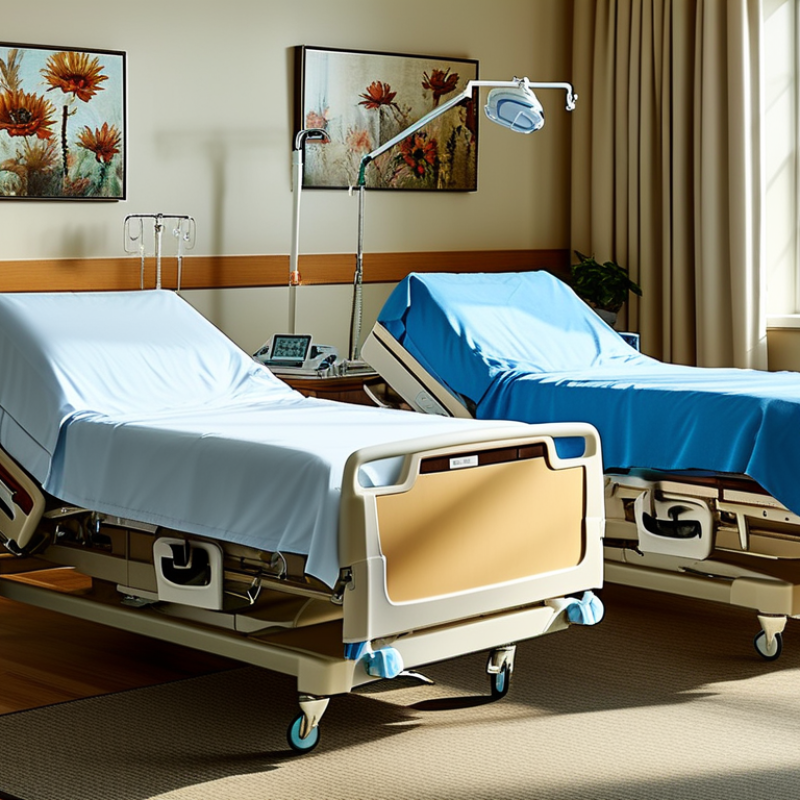
Difference Between Fowler and Semi Fowler Bed Explained

Understanding Fowler and Semi-Fowler Bed Positions

The Fowler and Semi-Fowler bed positions are important in healthcare settings. They cater to patient comfort and specific medical needs. The Fowler position involves raising the head of the bed between 45 to 90 degrees. This angle aids in reducing pressure on the back, making it ideal for patients with respiratory issues. It enhances lung expansion and helps in easier breathing.

In contrast, the Semi-Fowler position typically involves an elevation of 30 to 45 degrees. This position is beneficial for patients recovering from surgery or those with gastrointestinal issues. It aids in digestion while still providing comfort. Patients in this position often report less strain on their bodies.

Despite their benefits, not all patients tolerate these positions well. Some may experience discomfort or agitation. It's essential to monitor patients closely and adjust their positioning as needed. Understanding these nuances can lead to better patient care. Both positions should be used with the patient's best interest in mind.

Key Characteristics of Fowler Bed

Fowler beds are designed with specific characteristics that enhance patient comfort and care. They feature an adjustable head section that can be elevated to a variety of angles. This promotes better circulation and eases breathing for patients. The bed's adjustable structure accommodates patients with different medical needs, from those recovering from surgery to individuals with respiratory issues.

A unique aspect of the Fowler bed is its design aimed at reducing pressure points. Patients spend a significant amount of time lying down. The ability to adjust the bed can help prevent bedsores. Additionally, the Fowler bed supports the patient's upper body during meals or care activities, providing stability and comfort.

In a hospital setting, the use of Fowler beds can sometimes delay critical care because of adjustments. Staff must ensure the bed is set correctly. Miscommunication can lead to incorrect angles or support issues. Overall, while Fowler beds offer numerous benefits, attention to detail in their use is essential.

Comparison of Fowler and Semi-Fowler Bed Positions

This chart illustrates the percentage of elevation for different body parts in Fowler and Semi-Fowler positions, highlighting the key characteristics that differentiate the two bed settings. The Fowler position features higher elevation of the head, while the Semi-Fowler position maintains a lower elevation with a more relaxed posture.

Key Characteristics of Semi-Fowler Bed

The Semi-Fowler bed is a versatile piece of medical equipment. It is designed to elevate the upper body, typically between 30 to 45 degrees. This angle is crucial for patients who have difficulty breathing. It helps improve lung function and aids in digestion. The positioning can also alleviate pressure on the back, which is essential for comfort during prolonged periods in bed.

One key characteristic of the Semi-Fowler bed is its adjustable headrest. This feature allows healthcare providers to customize the angle according to individual patient needs. For instance, patients recovering from surgery may find this position more comfortable. Additionally, it encourages better circulation and reduces the risk of complications like bedsores. However, not all patients respond well to this angle. Some may feel discomfort or strain on their necks.

Moreover, managing the bed's adjustments can be challenging at times. Healthcare staff must regularly assess patient comfort to avoid pressure-related issues. It's important to balance elevation with safety, especially for those at risk of falls. The Semi-Fowler bed, while practical, requires ongoing evaluation to ensure its effectiveness and patient satisfaction.

Medical Uses and Benefits of Fowler Position

The Fowler position is commonly used in clinical settings. It involves raising the patient's head and trunk, promoting easier breathing. This position enhances lung expansion and reduces the risk of aspiration. Data from the American Journal of Respiratory and Critical Care Medicine highlight that semi-Fowler positioning can decrease diaphragm pressure by up to 30%. This is crucial for patients with respiratory distress.

Patients experiencing heart failure often benefit from sitting up. This position improves venous return, alleviating pressure on the heart. A study published in JAMA Cardiology shows that patients in Fowler position report improved respiratory function. However, it is vital to monitor patients for signs of discomfort or fatigue, as prolonged positioning can lead to muscle strain.

Tips: Ensure pillows provide adequate support without causing strain. Regularly check for skin integrity to reduce pressure ulcers. Encourage patients to adjust their position every hour to maintain comfort.

Medical Uses and Benefits of Semi-Fowler Position

The semi-Fowler position is a vital part of patient care in healthcare settings. This position involves the patient sitting up at an angle of about 30-45 degrees. It promotes better breathing and aids in digestion. Health professionals often recommend this position for patients with respiratory issues or those recovering from surgery.

One significant benefit is its ability to enhance comfort. Patients in the semi-Fowler position tend to experience less pain and can relax easier. This is particularly beneficial for individuals with heart conditions, as it helps improve blood circulation. Additionally, this position minimizes the risk of aspiration for those who may be struggling to swallow.

Tips: When adjusting a patient to the semi-Fowler position, ensure their feet are supported. This prevents strain on their legs. Observe for any signs of discomfort and adjust accordingly. Regularly check if they need repositioning to maintain comfort. Frequent monitoring can enhance overall care quality.

Using the semi-Fowler position effectively requires practice and attention to detail. Health caregivers must also reflect on each patient's unique needs. Sometimes, the position may not be suitable for everyone, and alternatives should be considered. Always communicate with patients about their preferences when repositioning.

FAQS

: What is the purpose of the Semi-Fowler bed?

: It elevates the upper body between 30 to 45 degrees, aiding breathing and digestion.

How does the Semi-Fowler position benefit patients?

It enhances comfort and promotes better circulation, especially beneficial for those with heart conditions.

What should caregivers monitor when using the Semi-Fowler position?

Caregivers should check for comfort and signs of discomfort, adjusting as needed.

Can every patient use the Semi-Fowler position?

Not all patients tolerate the position well; some may experience neck strain or discomfort.

What adjustments can be made to the Semi-Fowler bed?

The adjustable headrest allows customization of angles for individual patient needs.

How can caregivers ensure patient safety in this position?

They should ensure foot support and be aware of fall risks while monitoring patient conditions.

Is frequent monitoring necessary in the Semi-Fowler position?

Yes, regular checks can enhance comfort and identify pressure-related issues.

What is a common issue that might arise when using the Semi-Fowler bed?

Managing the bed's adjustments can be challenging, requiring ongoing patient assessments.

How does the Semi-Fowler position affect digestion?

It aids digestion, making it easier for patients who may have difficulty swallowing.

What is one way to enhance care quality with the Semi-Fowler position?

Reflecting on each patient's unique needs and preferences is essential for effective care.

Conclusion

The article titled "Difference Between Fowler and Semi Fowler Bed Explained" delves into the distinctions between Fowler and Semi-Fowler bed positions, crucial in medical settings. What is the difference between a Fowler and semi-fowler bed? The Fowler position typically elevates the head and torso at an angle of 45 to 90 degrees, facilitating respiratory function and improving comfort for patients with breathing difficulties. In contrast, the Semi-Fowler position elevates the head and upper body to around 30 to 45 degrees, which is beneficial for patients who require a moderate elevation for digestion or comfort.

Both positions serve unique medical purposes, enhancing patient care and recovery. The Fowler position is commonly used for patients with respiratory issues, while the Semi-Fowler position is ideal for those with post-operative needs or who experience certain heart conditions. Understanding these differences and their respective benefits is vital for healthcare providers in optimizing patient positioning.

Sophia

Sophia

Sophia is a dedicated marketing professional with an exceptional depth of knowledge about her company's products and services. With a keen understanding of market trends and customer needs, she crafts insightful blog posts that not only inform but also engage readers, enriching the company’s online......