Installing side rails on a home hospital bed is crucial for safety and comfort. These rails provide support for patients, helping prevent falls and injuries. If you are wondering how to install side rails on a home hospital bed, there are essential considerations to keep in mind.
When you set out to install side rails, it’s vital to ensure compatibility with your bed model. Each hospital bed has different specifications that must be respected. Check the manufacturer’s guidelines for specific instructions. This helps in avoiding mistakes that could affect safety.
Moreover, while the process seems straightforward, it carries risks. Improper installation can lead to accidents. Therefore, taking your time and following each step carefully is essential. Have all necessary tools ready before you start. This will reduce the chances of interruptions that could lead to errors. Errors in installation can compromise the function of the bed and the safety of the patient. It's all about precision and attention to detail.
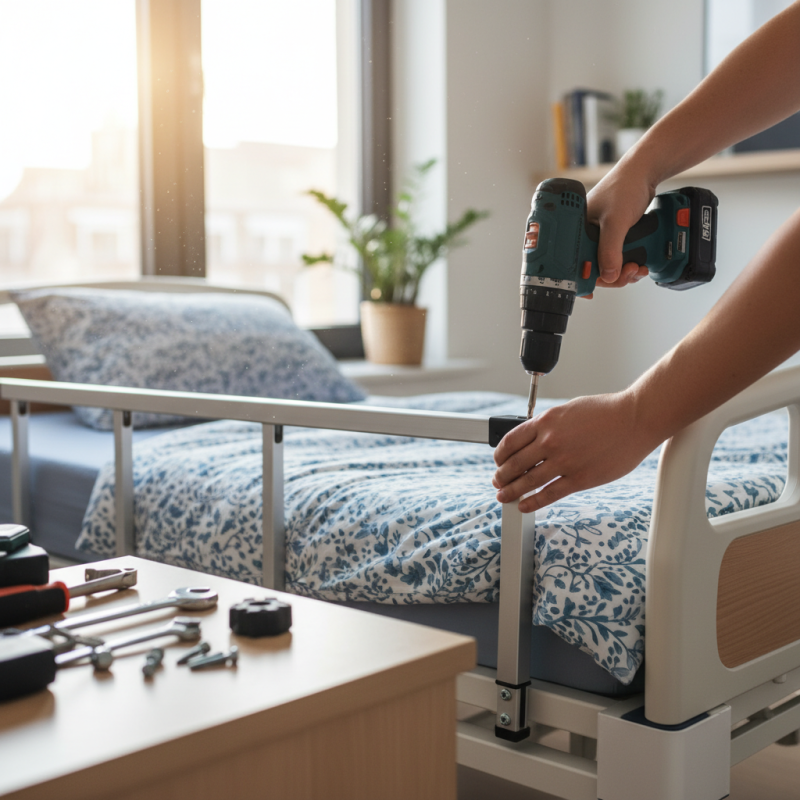
Choosing the right side rails for home hospital beds is crucial for safety and comfort. When selecting side rails, consider the patient's specific needs. Some may require additional support, while others might prefer a more open layout.
Tip 1: Assess patient mobility. If the patient is less mobile, higher, sturdy rails offer better support. However, lower rails may be suitable for more independent users. Ensure the selected rails can be adjusted as required. This adaptability enhances comfort and safety.
Tip 2: Check compatibility with the bed model. Not all rails fit every hospital bed. Measure the height and width of the bed to find the right match. A poor fit could lead to accidental injuries.
Finally, consider the material and construction quality. Look for side rails made from durable, easy-to-clean materials. This aspect is often overlooked but is essential for long-term use. Remember, while side rails can prevent falls, they may also restrict movement. Balancing safety and freedom is vital.
Preparing the bed frame for side rail installation is crucial for home hospital beds. A stable frame enhances safety and comfort. Before beginning, inspect the bed frame for any damage or wear. A sturdy frame minimizes risks. Check all connection points and ensure they are tight.
Next, clean the bed frame thoroughly. Remove dust, dirt, and any debris. This step helps prevent movement or instability. Use a damp cloth and mild cleaner, but avoid harsh chemicals. They could damage the frame material. Additionally, pay attention to corners and joints, as they are prime spots for buildup.
Consider the height of the bed when installing side rails. Ensure they align properly with the mattress height. Mismatched heights can lead to gaps. Gaps increase the risk of falls. It may take time to adjust and measure, but precision is essential. Remember to follow instructions carefully. If you're unsure, seek assistance from a skilled individual. Mistakes in installation can lead to safety issues later on.
Installing side rails on home hospital beds can significantly enhance safety and security for patients. It's essential to follow a step-by-step guide to ensure proper installation. According to recent data from the National Center for Biotechnology Information, proper bed rail usage can reduce the risk of falls by 50%. Yet, improper installation can lead to serious injuries or complications.
Begin by determining the correct height for the side rails. They should align with the mattress to prevent gaps. If the rails are too high, they might pose a risk for entrapment. Reports show that up to 75% of hospital bed injuries stem from such gaps. Taking precise measurements is crucial. Next, secure the mounting brackets firmly to the bed frame. Use the recommended tools for this task. Over-tightening can cause damage, while under-tightening may result in instability.
Finally, test the rails after installation. Push and pull to confirm they're secure. A study by the Health and Safety Executive revealed that regular checks on bed rail integrity can prevent accidents. It’s vital to adjust them based on the patient’s condition. Reflect on the installation process and seek feedback if necessary. Continuous improvement ensures safety remains a priority in home healthcare environments.
When installing side rails on home hospital beds, safety and stability are paramount. Proper installation ensures that the rails provide the necessary support without compromising safety. One of the key aspects to focus on is ensuring the rails are securely attached. Check the bolts and screws periodically to prevent looseness. Loose fittings can lead to accidents, so this should not be overlooked.
The placement of the side rails matters significantly. Position them to prevent any risk of entrapment. This is especially important for patients who may have limited mobility. Regularly inspect the height of the rails. If they are too high or too low, they might not provide adequate protection. Work with healthcare professionals to determine the best configuration tailored to the individual's needs.
Lastly, after installation, test the stability of the bed and the side rails. Sit on the edge of the bed to assess if it feels sturdy. If there is any wobbling or instability, adjustments are necessary. The aim is to create a secure environment. Don't hesitate to modify the installation based on feedback. Each patient's requirements are unique, and addressing these details can make a significant difference.
Ensuring the proper maintenance of hospital bed side rails is crucial for safety and comfort. Regular checks can prevent accidents and improve user experience. Inspect the rails frequently for any signs of wear or damage. Look for loose screws or unstable joints. These small issues can lead to significant problems if not addressed promptly.
Cleaning is another important aspect. Use a gentle cleaner to wipe down the rails regularly. This helps minimize the buildup of dust and germs. Consider using disinfectant wipes as an extra layer of protection. Keep the rails dry to prevent rust or deterioration, especially on metal surfaces.
Additionally, be aware of their functionality. Test the side rails frequently to ensure they are operating smoothly. If you notice any difficulty in raising or lowering them, maintenance is needed. Taking these steps is essential for prolonging the life of your hospital bed side rails.
| Tip Number | Tip Description | Safety Consideration | Maintenance Frequency |
|---|---|---|---|
| 1 | Ensure the bed is at its lowest position before installation. | Prevents falls during installation. | Before each use |
| 2 | Use appropriate tools to securely attach the side rails. | Loose attachments can be hazardous. | Monthly check |
| 3 | Align the rails properly to ensure smooth operation. | Misalignment can lead to injury. | Every use |
| 4 | Check for wear and tear regularly. | Damaged rails can compromise safety. | Weekly inspection |
| 5 | Instruct caregivers on proper use of side rails. | Promotes awareness and safety. | As needed |
: The right side rails enhance safety and comfort for the patient. They cater to specific needs.
Consider if the patient is less mobile. Higher, sturdy rails provide better support.
Lower rails may suit independent users. They offer a more open layout for movement.
Measure the height and width of your bed. Check compatibility to avoid accidental injuries.
Choose durable, easy-to-clean materials. This is essential for long-term use and safety.
Regular checks for wear or damage are crucial. Look for loose screws or unstable joints often.
Use a gentle cleaner regularly. Disinfectant wipes help reduce germs effectively.
Test the rails frequently for smooth operation. Maintenance is necessary if functionality is lacking.
Keep the rails dry to prevent rust. Address any signs of deterioration promptly.
Yes, while preventing falls, they may limit movement. Balancing safety and freedom is essential.
When considering how to install side rails on a home hospital bed, it's essential to select the appropriate type of side rails that meet safety standards and suit the specific needs of the user. Begin by preparing the bed frame, ensuring it is clean and free of obstacles that could hinder installation. Following a detailed step-by-step guide will help you securely attach the side rails, providing both support and security to the user.
Once the installation is complete, it is crucial to check for any safety and stability issues, ensuring the side rails are sturdy and properly aligned. Regular maintenance is equally important to prolong the lifespan of the side rails and to ensure they remain in optimal working condition. By following these essential tips, you can effectively enhance the safety and comfort of a home hospital bed.

Reef Medical