In the realm of healthcare, understanding the specifics of patient care equipment is vital. One common question arises: "What is the difference between a fowler and semi-fowler bed?" Dr. John Mitchell, an expert in hospital bed designs, states, "The right bed can significantly enhance patient comfort and recovery."
Fowler beds are designed for patients who require an elevated position. These beds can adjust their head and torso angles beyond 45 degrees, promoting easier breathing and digestion. In contrast, semi-fowler beds offer a more moderate incline, typically between 30 and 45 degrees. This adjustment supports specific medical needs without fully raising the patient.
Recognizing these differences helps caregivers make informed choices, impacting patient outcomes. While both options serve essential functions, the choice depends on individual patient situations. Reflecting on the implications of these choices can lead to better healthcare practices. Understanding "What is the difference between a fowler and semi-fowler bed" is more than a technical detail; it’s about maximizing patient well-being.
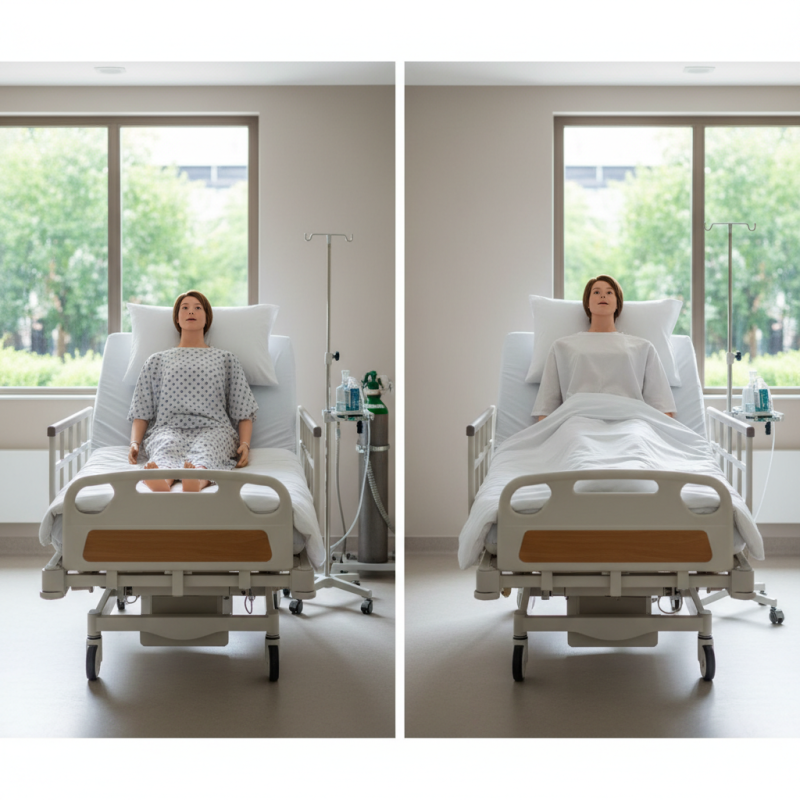
Fowler and Semi Fowler beds are designed to support patients' comfort and health during recovery. Understanding the differences between these two positions is crucial for caregivers. The Fowler position elevates the head and torso to a 45 to 60-degree angle. This is excellent for patients with respiratory issues. It promotes better lung expansion and can ease shortness of breath.
On the other hand, the Semi Fowler position elevates the head and upper body to a 30 to 45-degree angle. This is suitable for patients who need comfort while eating or engaging in conversation. It provides a more relaxed posture, which is beneficial for those recovering from surgery. Yet, it may not facilitate breathing as effectively as the full Fowler position.
Choosing between these two positions requires consideration of the patient's specific needs. Some patients may find the Fowler position uncomfortable. Others might struggle with the angle of semi Fowler. Therefore, caregivers must gauge each person's physical response and comfort level. This tailored approach helps enhance patient well-being and promotes a supportive recovery environment.
The Fowler bed position, often utilized in medical settings, supports patients effectively. This position elevates the upper body between 30 to 90 degrees. It aids in various situations, including respiratory distress and recovery after surgery. Patients benefit from improved lung expansion in this posture.
Semi-Fowler, on the other hand, raises the upper body to about 30 degrees. This position is gentle and suitable for patients who require comfort. It promotes digestion and reduces the risk of aspiration during feeding. While the Fowler position offers a more upright orientation, the Semi-Fowler provides a balanced compromise.
Choosing between these two positions can be challenging. Each has its advantages and potential downsides. Health professionals should assess individual patient needs regularly. They must consider comfort and clinical requirements. Understanding the nuances of each position improves patient outcomes significantly. Observations and experience dictate the best approach in real-life situations.
The Semi Fowler bed position is a critical aspect of patient care. It involves raising the head of the bed to 30 to 45 degrees. This position helps improve breathing, especially for patients with respiratory issues. It also promotes better digestion, making it ideal post-surgery.
In addition to its health benefits, the Semi Fowler position enhances comfort for patients. When sitting up slightly, patients often feel less anxious. This position allows easier access for healthcare professionals during exams or treatments. However, not every patient may find this position suitable. Some may experience discomfort or difficulty adjusting.
Understanding the patient's needs is essential. Regular assessment is crucial to ensure the Semi Fowler position is effective. It may not always be the best choice for everyone. Caregivers must remain attentive and responsive to individual patient feedback. This flexibility is key to providing optimal care.
The Fowler and Semi Fowler bed positions can significantly impact patient care. These positions are commonly used in hospitals for various health benefits. The Fowler position sits the patient at an angle of 45 to 60 degrees. This can help improve breathing for individuals with respiratory issues. Elevated positioning can also alleviate pressure on the back. It’s beneficial for those with heart problems.
On the other hand, the Semi Fowler position is slightly reclined, typically set at around 30 degrees. This lower angle is ideal for post-surgical patients. It promotes comfort and aids digestion, making it perfect for those recovering from abdominal surgeries. Both positions help reduce the risk of bedsores. Regular adjustments between these two angles can prevent discomfort.
However, determining which position to use can be challenging. Not every patient responds the same. Some may find the Fowler position too strenuous. Others might benefit from the Semi Fowler even more. A healthcare provider's expertise is crucial in making the right choice. Individual needs should guide these decisions, considering each patient's condition and preferences.
| Feature | Fowler Position | Semi Fowler Position |
|---|---|---|
| Angle of Incline | High (45-60 degrees) | Moderate (30-45 degrees) |
| Ideal For | Respiratory issues, cardiac concerns | General comfort, post-operative care |
| Benefits | Improves lung function, reduces pressure on abdomen | Eases strain on the body, promotes digestion |
| Usage in hospitals | Commonly used in ICU and for critical care | Often used in recovery rooms and long-term care |
| Patient Comfort | May cause strain on back and neck | Generally more comfortable for longer durations |
When choosing between Fowler and Semi Fowler beds, consider patient comfort and medical needs. Fowler beds allow the upper body to elevate to a 45-90 degree angle. This is beneficial for patients with respiratory issues. It aids in eating or watching TV while in bed.
Semi Fowler beds provide a less pronounced incline, typically at 30-45 degrees. They are ideal for patients who may need moderate elevation but not the full incline. This position can also help with circulation and reduce the risk of pressure sores.
Think about the specific needs of the patient. Some may prefer the slight rise of a Semi Fowler bed for comfort. Others may find the full elevation of a Fowler bed more helpful for breathing or other medical aspects. It’s important to reflect on these nuances, as each patient is unique, and comfort can significantly affect recovery.
: The Fowler bed position lifts the upper body between 30 to 90 degrees.
It is used for respiratory distress or post-surgery recovery.
The Semi Fowler position supports better breathing and digestion.
The Semi Fowler position elevates the head between 30 to 45 degrees.
They assess comfort, clinical needs, and patient feedback regularly.
Yes, some may feel discomfort or struggle to adjust to this position.
Fowler offers a steeper incline, while Semi Fowler is more gentle.
Yes, individual comfort and medical requirements vary among patients.
Caregivers need to be responsive and flexible to adjust based on feedback.
It greatly influences recovery and overall comfort during care.
The article "Fowler vs Semi Fowler Bed Best Differences Explained" delves into the distinctions between two common hospital bed positions. Primarily, it addresses the question, "What is the difference between a fowler and semi-fowler bed?" Fowler bed position is characterized by a higher incline, typically around 45 to 60 degrees, which is ideal for patients needing assistance with breathing or feeding. In contrast, the semi-fowler position has a lower incline, around 30 to 45 degrees, providing comfort while promoting better digestion and reducing the risk of aspiration.
The health benefits of these positions highlight the importance of choosing the appropriate bed configuration based on patient needs. Factors to consider when deciding between Fowler and semi-fowler beds include individual health conditions, comfort preferences, and specific therapeutic goals. Understanding these differences plays a crucial role in enhancing patient care and recovery outcomes.
Reef Medical