In 2026, healthcare facilities are increasingly recognizing the value of innovative solutions for enhancing patient care. One such advancement is the lateral tilting bed. This device significantly impacts patient comfort and overall health management. Studies indicate that patient mobility improves by up to 30% with the use of a lateral tilting bed, facilitating better outcomes.
How does a lateral tilting bed help with patient care? It promotes optimal positioning to prevent pressure ulcers, a pressing issue in medical settings. According to recent reports, nearly 2.5 million patients in the U.S. alone develop these ulcers each year. The lateral tilting bed addresses this challenge by enabling fluid repositioning, thereby reducing the risk of skin breakdown.
Moreover, the lateral tilting technology aids in respiratory function. By adjusting a patient's position, respiratory efficiency may improve, as evidenced by a 25% increase in oxygen saturation levels in some cases. However, healthcare professionals must continuously assess individual patient needs to ensure maximum benefit from this technology. Challenges remain in implementing these advanced beds universally, calling for ongoing training and adaptation in care practices.
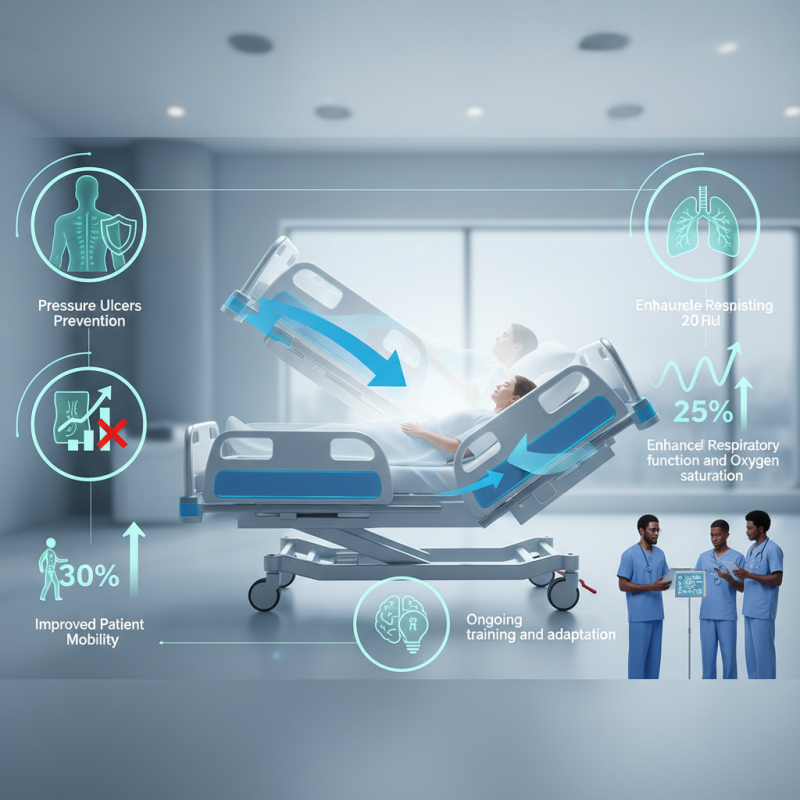
Lateral tilting beds represent a significant advancement in patient care, especially in 2026. These beds are designed to tilt patients at specific angles. This feature can improve circulation and reduce pressure on vulnerable areas. It helps mitigate the risks of bedsores, a common issue in long-term care settings.
The benefits extend beyond physical health. Patients feel more comfortable in these beds. Enhanced comfort can lead to better mood and overall satisfaction with care. The adjustable angles allow caregivers to access patients more easily. This is crucial during routine check-ups or emergency situations. Yet, some staff may not be fully trained in using these beds, leading to inconsistencies in care.
While lateral tilting beds offer many advantages, challenges remain. Not all facilities can afford them. Training staff effectively is also vital to ensure safety. Additionally, patient preferences should be considered. Some may feel uneasy with frequent tilting. Addressing these concerns is essential for holistic patient care.
| Dimension | Description | Benefits | Clinical Outcomes |
|---|---|---|---|
| Patient Comfort | Adjustable positions to reduce pressure points | Increased patient satisfaction and decreased pain | Fewer complaints of discomfort |
| Mobility Assistance | Facilitates easier patient transfers | Reduces need for additional staff during transfers | Lower rates of falls during transfers |
| Respiratory Health | Promotes optimal lung expansion | Improved oxygenation and lung function | Reduced incidence of pneumonia |
| Skin Integrity | Minimizes pressure ulcers | Enhanced skin health and comfort | Fewer hospital-acquired pressure injuries |
| Patient Monitoring | Integrated monitoring systems in beds | Real-time health metrics tracking | Quicker response to patient needs |
: Lateral tilting beds allow patients to be tilted at specific angles, aiding circulation and reducing pressure.
Patients can choose their position, enhancing comfort and mood. This leads to better overall satisfaction with care.
They help reduce the risk of bedsores, which affect many patients in long-term care facilities.
Yes, not all facilities can afford them, and staff may lack training, leading to inconsistent patient care.
Improved circulation and pressure relief can aid in recovery, particularly for elderly patients or those with mobility challenges.
Proper training prevents misuse and discomfort, ensuring patient safety and enhancing care quality.
Future designs may include smart technology with sensors for monitoring vital signs continuously.
Encouraging patient feedback helps gauge comfort levels and can lead to adjustments that improve the care experience.
Balancing technology with personal care is vital, as staff may struggle with new features if not adequately trained.
Regularly monitor patient positioning schedules and make timely adjustments for optimal care and comfort.
The article "How does a lateral tilting bed enhance patient care in 2026?" explores the innovative design and functionality of lateral tilting beds, which are transforming patient care. How does a lateral tilting bed help with patient care? These beds offer key features such as adjustable positioning, which significantly improves patient mobility and comfort. By allowing for side-to-side tilting, they reduce the risk of pressure ulcers and enhance overall circulation, thus promoting better health outcomes.
Additionally, advancements in technology have integrated patient monitoring systems into these beds, enabling healthcare providers to track vital signs and comfort levels in real-time. Looking ahead, future trends indicate a shift toward more sophisticated designs that prioritize patient safety and ease of use, further solidifying the role of lateral tilting beds in modern healthcare settings.

 Reef Medical