Recovering from a fracture can turn ordinary movements into difficult daily tasks. Standing beside a bed, shifting position, or reaching for water may strain injured bones and tired muscles. A suitable orthopedic bed can make these moments safer, more controlled, and less exhausting.
Why use an orthopedic bed for fracture recovery? Its adjustable backrest, raised leg section, and height settings may support better positioning. These features can help reduce pressure during transfers and make personal care easier. They may also assist caregivers who need to help without bending awkwardly. Small details matter, such as keeping the call button, medicine schedule, and water bottle within reach.
Still, an orthopedic bed is not a cure. The answer is not always yes. Its value depends on the fracture location, surgery type, mobility level, and home environment. A bed that works well for a hip fracture may not suit someone with an arm injury. Doctors, nurses, and physical therapists should guide the decision, especially when weight-bearing limits apply. Manufacturer instructions also matter, because poor setup can create new risks.
This article examines how orthopedic beds may support comfort, movement, sleep, and caregiver safety during recovery. It also considers their limits, practical features, and possible alternatives. A well-designed bed can help, but recovery remains individual. That point is easy to overlook. Careful assessment should come before purchase.
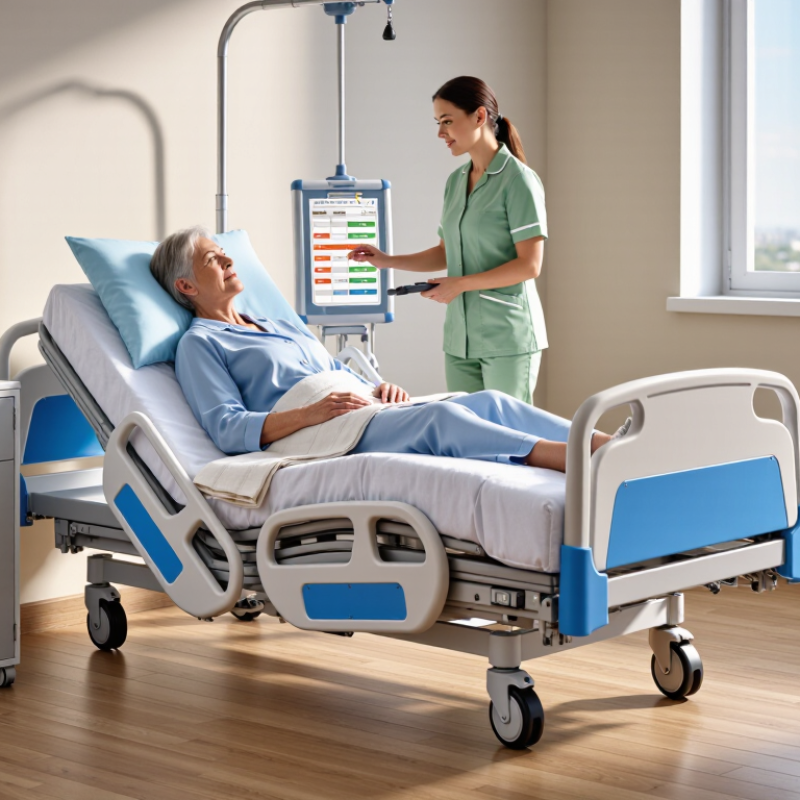
Why Use an Orthopedic Bed for Fracture Recovery?
Most broken bones heal in about 6–8 weeks, according to the American Academy of Orthopaedic Surgeons (AAOS). That timeline is only an estimate. Age, fracture location, bone displacement, smoking, diabetes, and surgical treatment can change it. The National Institutes of Health also notes that healing may take longer when blood flow or nutrition is limited.
An orthopedic bed can support safer movement during this period. Adjustable back and leg sections may reduce painful twisting when a person sits up. A raised surface can also make transfers easier for caregivers. Picture a patient with a leg cast, moving from a flat position to sitting without pulling the injured limb. Small changes matter. Yet, a bed does not repair bone.
Daily positioning still requires professional guidance. A clinician may recommend keeping the limb elevated, checking swelling, and performing approved exercises. Watch for increasing pain, numb toes, unusual warmth, drainage, or skin color changes. These signs need prompt medical advice. AAOS emphasizes follow-up imaging because symptoms alone cannot confirm solid healing. A fracture may feel better before the bone is strong enough for normal weight-bearing. That mistake is easy to make. Rest helps, but excessive immobility can weaken muscles and increase stiffness. The recovery plan should therefore balance protection with prescribed movement, nutrition, and scheduled reviews.
| Recovery Phase | Typical Time Frame | What May Happen During Healing | How an Adjustable Orthopedic Bed May Help | Important Care Focus |
|---|---|---|---|---|
| Initial Protection | First few days | Pain, swelling, bruising, and limited movement are common. The injured area may be immobilized with a splint, cast, or brace. | Head and leg elevation can make repositioning easier and may improve comfort when approved by a healthcare professional. | Follow weight-bearing restrictions, keep the cast or dressing protected, and use prescribed pain-management strategies. |
| Early Repair | About 1–3 weeks | The body begins forming soft callus tissue around the fracture. Pain often gradually decreases, but the bone is still vulnerable. | Position changes can reduce pressure on the back, hips, and unaffected joints while minimizing unnecessary transfers. | Attend follow-up appointments and do not remove immobilization or increase activity without medical advice. |
| Bone Consolidation | About 3–6 weeks | Soft callus gradually becomes harder bone. Healing progress depends on the fracture location, severity, alignment, age, and overall health. | A raised sleeping surface or supportive backrest may make sitting up, eating, reading, and getting in or out of bed easier. | Begin or continue clinician-approved exercises. Avoid lifting, impact, or weight-bearing beyond the prescribed limit. |
| Functional Recovery | About 6–8 weeks for many uncomplicated fractures | Many broken bones reach substantial healing within 6–8 weeks, although some fractures take longer and may not yet tolerate normal loads. | Adjustable positioning can support gradual mobility practice and rest, especially when transfers remain difficult. | Return to daily activities gradually and only according to imaging results and professional guidance. |
| Strength and Mobility Restoration | After 8 weeks; varies widely | Stiffness, muscle weakness, reduced balance, or limited range of motion may continue after the bone has healed. | A stable, accessible bed height and supportive positioning may assist with safe routines during rehabilitation. | Complete physical therapy or home exercises as prescribed and progress activity progressively. |
| Clinical note: Healing time varies by fracture type, location, treatment, age, nutrition, smoking status, medical conditions, and adherence to care instructions. An orthopedic bed may improve comfort and positioning, but it does not accelerate bone healing or replace medical treatment. Seek professional care for worsening pain, numbness, blue or pale fingers or toes, increasing swelling, fever, drainage, or a cast that feels too tight. | ||||
It can reduce mobility, independence, and confidence. One-year mortality may reach 20–30%, depending on age, health, and complications.
Height changes may reduce strain during transfers. A raised backrest can help with meals, breathing, and repositioning. It cannot prevent every complication.
Follow the prescribed weight-bearing order. When standing is permitted, aim for both feet to reach the floor, with knees gently bent.
A nurse, therapist, or trained caregiver should confirm the plan. Ask them to reassess after pain, swelling, or mobility changes.
Lock the bed wheels, clear loose rugs, and keep the call device nearby. Place the walker within reach, but do not pull on it to stand.
Rails may help with repositioning, but they can also increase climbing or falling risks. Their use needs individual assessment.
Inspect the heels, hips, and lower back for skin changes. Keep floors dry; even a small spill can matter.
Seek urgent help for fever, sudden confusion, chest pain, breathlessness, or worsening leg swelling. Do not assume comfort means safety.
Follow movement instructions and support nutrition, hydration, and medication review. Plans may need adjustment; that can be easy to miss.
Why use an orthopedic bed for fracture recovery? A supportive orthopedic bed can make daily care safer and more comfortable while the body heals. Most broken bones heal within about 6–8 weeks, but recovery needs vary by fracture type, age, and overall health. This type of bed can help maintain proper body alignment, reduce unnecessary strain, and elevate the head up to 30° when appropriate. These features may be especially valuable after a hip fracture, which can involve serious health risks and a one-year mortality rate of 20–30%.
An orthopedic bed also supports pressure injury prevention through scheduled repositioning based on individual needs and recognized care guidance. Adjustable height can make transfers easier for patients and caregivers, while mobility should always match the prescribed weight-bearing limits. By combining positioning support, safer transfers, and pressure management, an orthopedic bed can contribute to a more controlled and dignified fracture recovery process.

 Reef Medical