Top 10 Ways to Prevent Bedsores for Long Term Bedridden Patients?

Time:2026-04-13 Author:Isabella
0%

Preventing bedsores in long-term bedridden patients is a critical concern. Dr. Emily Carter, a leading expert in wound care, emphasizes, "Proactive measures are essential to keep patients comfortable and healthy." Bedsores, or pressure ulcers, often arise from prolonged immobility. They can lead to serious complications if not addressed swiftly.

Understanding how to prevent bedsores on long-term bedridden patients starts with knowing the risks. Factors such as age, nutrition, and moisture play significant roles. Regular repositioning is vital to alleviate pressure on vulnerable areas. However, many caregivers overlook this simple yet effective step.

Monitoring skin condition frequently can also make a difference. Small changes in the skin can signal the onset of bedsores. Establishing a skincare routine is equally important, but it's often neglected in busy healthcare settings. Key techniques include using specialized mattresses and ensuring proper hygiene. Emphasizing these methods is crucial to provide the best care for those at risk of developing bedsores.
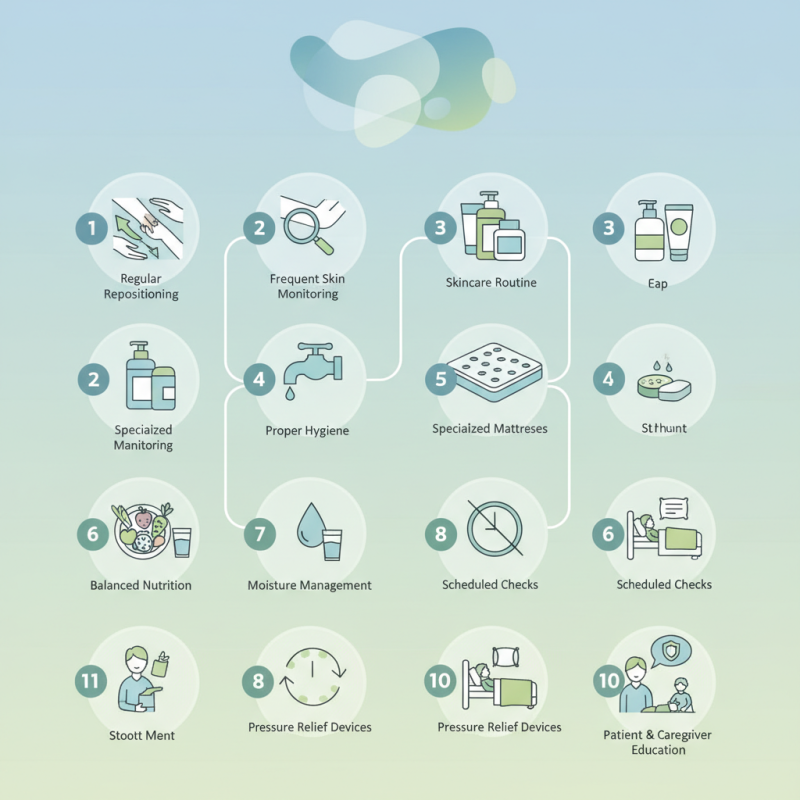
Top 10 Ways to Prevent Bedsores for Long Term Bedridden Patients?

Understanding Bedsores and Their Causes in Long Term Bedridden Patients

Bedsores, also known as pressure ulcers, are a significant concern for long-term bedridden patients. These painful wounds develop when constant pressure restricts blood flow to the skin. Common causes include prolonged immobility, poor nutrition, and inadequate skin care. Understanding these factors is essential for prevention and management.

Patients often experience limited movement. The skin, when under pressure, can break down. It is crucial to monitor any changes. Regularly check the skin for redness or swelling. Implementing a routine can make a difference. Adjust position every two hours. Use cushions or specialized mattresses to relieve pressure. Nutrition also plays a role. A well-balanced diet helps in skin health. Make sure to include proteins and vitamins that promote healing.

Many caregivers face challenges in prevention. It can be overwhelming to maintain consistency in care. Some may overlook subtle signs of bedsores, leading to complications. Education is vital for both caregivers and family members. Engaging with healthcare professionals can provide necessary insights. Empowering families with knowledge helps create a supportive environment. This approach not only raises awareness but also actively involves everyone in the patient’s care.

Regular Position Changes: Techniques for Effective Repositioning

One of the most effective ways to prevent bedsores in bedridden patients is through regular repositioning. Medical studies indicate that repositioning patients every two hours can significantly reduce the risk of pressure ulcers. This frequency allows for adequate blood circulation and relief from sustained pressure on vulnerable areas, such as the heels, sacrum, and elbows.

Effective repositioning techniques include using support surfaces like specialized mattresses and cushions. These tools help distribute weight more evenly and reduce localized pressure. Caregivers can employ techniques such as the "30-degree tilt" to shift pressure away from bony prominences. This method involves tilting patients to a side at a 30-degree angle. Research shows that this simple shift can improve comfort and outcomes dramatically.

Despite these precautions, challenges remain. Caregivers may experience fatigue, leading to inconsistencies in repositioning schedules. Moreover, some patients resist being moved due to pain or discomfort, complicating adherence to repositioning protocols. Continuous education for caregivers and innovative solutions are vital. They can enhance the reliability of repositioning practices, ultimately promoting better patient health and quality of life.

Utilizing Supportive Surfaces and Mattresses for Pressure Relief

Pressure relief is crucial for bedridden patients. Supportive surfaces and mattresses play an essential role in preventing bedsores. High-quality materials can distribute body weight evenly. This reduces pressure on vulnerable areas. Specialty foam or gel mattresses offer significant advantages. These surfaces contour to the body, providing comfort and support.

Frequent changes in position are also vital. Even the best mattress cannot replace the benefits of movement. A schedule of repositioning every two hours helps maintain circulation. Fluid movement can significantly reduce the risk of sores. Additionally, incorporating cushions and overlays can further enhance pressure distribution.

Monitoring skin health is necessary, regardless of the mattress type. Daily checks will help identify any potential problems early. Look for signs of redness or skin breakdown. While supportive surfaces are helpful, they cannot solve all issues alone. A combination of strategies works best for effective prevention.

Maintaining Skin Hygiene: Best Practices for Bedridden Care

Maintaining skin hygiene for bedridden patients is crucial. Regularly clean the skin to prevent bedsores. Use soft, damp cloths to gently wash the areas prone to pressure. Pay attention to bony areas, like heels and elbows. Keeping the skin dry is equally important. After cleaning, pat the skin dry with a towel instead of rubbing.

Moisturizers help keep the skin supple. Apply them on dry areas but avoid excess around wounds. Assess the patient's skin daily for signs of irritation or redness. Any changes should prompt immediate action. Dressings may be necessary for vulnerable areas. These measures are essential but can be challenging to implement consistently.

Trained caregivers play a vital role. They must understand the needs of each patient. Regular repositioning can relieve pressure spots. This practice requires time and attention to detail, which can sometimes be overlooked. Maintaining an open line of communication within the care team also helps ensure no step is missed. Creating a routine can make this process more manageable and efficient.

Nutrition and Hydration: Their Role in Preventing Bedsores

Proper nutrition and hydration are crucial in preventing bedsores, especially for long-term bedridden patients. Studies show that malnutrition increases the risk of pressure ulcers significantly. A report from the National Pressure Injury Advisory Panel indicates that over 30% of patients with pressure injuries are malnourished. It is essential to incorporate a well-balanced diet rich in protein, vitamins, and minerals. Protein plays a key role in tissue repair and skin health.

Hydration is equally important. Dehydration can lead to skin breakdown. The skin becomes fragile when it lacks moisture. A study found that patients who drink enough fluids have a lower prevalence of bedsores. Aim for at least 6-8 glasses of water daily, or more if indicated by a healthcare provider.

It is also vital to assess the patient’s nutritional needs regularly. Factors like age, weight, and existing health conditions influence dietary requirements. Customizing meal plans can make a significant difference. Inconsistent meal intake can pose a risk. Family members and caregivers should be encouraged to monitor food and fluid intake for the patient’s benefit. Understanding these aspects allows for better preventive strategies against bedsores.

FAQS

: What are bedsores?

: Bedsores are painful wounds caused by constant pressure on the skin. They occur in bedridden patients.

What causes bedsores?

Common causes include prolonged immobility, poor nutrition, and inadequate skin care. Understanding these factors is crucial for prevention.

How often should patients be repositioned?

Patients should be repositioned every two hours. This routine helps maintain circulation and reduce pressure.

What are some effective methods for preventing bedsores?

Use supportive surfaces and specialized mattresses. Regular skin checks and repositioning are also vital for prevention.

How can nutrition affect bedsores?

A well-balanced diet supports skin health. Proteins and vitamins are essential for healing and overall skin condition.

Why is skin hygiene important for bedridden patients?

Maintaining skin hygiene prevents infection and bedsores. Clean skin regularly and keep it dry to avoid complications.

What should caregivers look for when monitoring skin health?

Caregivers should check for redness, swelling, or skin breakdown. Any changes require immediate action for proper care.

How can caregivers ensure good care practices?

Open communication within the care team is essential. A consistent routine helps caregivers stay attentive to each patient's needs.

What challenges do caregivers face?

Caregivers often struggle with maintaining consistent care. Subtle signs of bedsores can be overlooked, leading to further issues.

How do supportive mattresses help prevent bedsores?

Specialty mattresses distribute body weight evenly. They contour to the body, providing necessary support to sensitive areas.

Conclusion

Preventing bedsores in long-term bedridden patients is crucial for maintaining their overall health and comfort. Understanding the causes of bedsores, such as prolonged pressure on certain body parts, is the first step in addressing this issue. One effective strategy is to implement regular position changes to alleviate pressure points, which can significantly reduce the risk of developing sores. Techniques for effective repositioning should be incorporated into daily care routines.

In addition to repositioning, utilizing supportive surfaces and specialized mattresses can provide crucial pressure relief. Maintaining proper skin hygiene is essential; caregivers should follow best practices to keep the skin clean and well-moisturized. Furthermore, nutrition and hydration play a critical role in skin integrity, emphasizing the importance of a well-balanced diet and adequate fluid intake. By focusing on these areas, caregivers can effectively learn how to prevent bedsores on long-term bedridden patients, ensuring better outcomes and quality of life.

Isabella

Isabella

Isabella is a dedicated marketing professional with a sharp focus on driving brand growth and engagement through strategic content creation. With an extensive background in digital marketing, she combines her passion for storytelling with her keen understanding of industry trends to deliver......