How to Properly Clean and Disinfect a Medical Bed?

Time:2026-05-05 Author:Isabella
0%

Cleaning and disinfecting a medical bed is crucial for maintaining patient safety and overall hygiene in medical facilities. Medical beds often harbor pathogens due to frequent use and close contact with patients. Understanding how to clean and disinfect a medical bed properly ensures a safe environment for both healthcare workers and patients.

Proper cleaning begins with the right materials. Use approved disinfectants that effectively kill bacteria and viruses. It’s important to follow the manufacturer’s instructions regarding dilution and application. Assess the condition of the bed before cleaning. Are there visible stains or spills? Address these areas with specific attention, as they can be hiding places for germs.

Think about the process you follow. Are there steps you often overlook? Reflect on your routine and adjust as necessary. Implementing a thorough cleaning regimen requires commitment. It’s not just about wiping down surfaces; it’s about creating a practice that prioritizes health and safety. Keeping a medical bed clean is a shared responsibility. Everyone must understand how to clean and disinfect a medical bed properly to ensure a safe healing space.
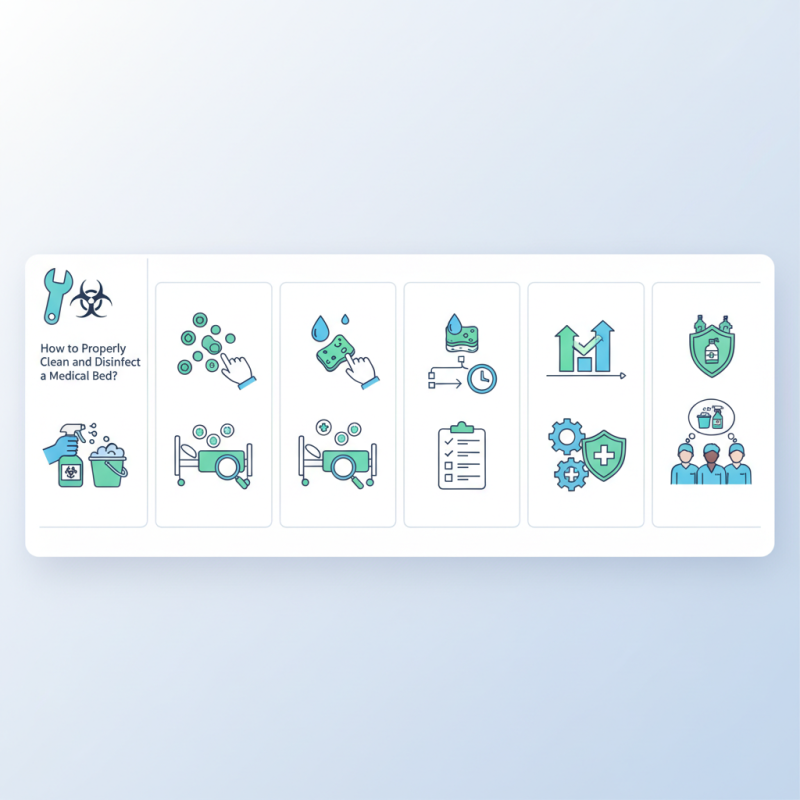
How to Properly Clean and Disinfect a Medical Bed?

Understanding the Importance of Cleaning and Disinfecting Medical Beds

Cleaning and disinfecting medical beds is vital for patient safety. Medical beds are often the center of care in hospitals and clinics. They come into contact with various bodily fluids and pathogens. Maintaining a clean environment reduces the risk of infections. When patients are in a sterile environment, their recovery rates improve significantly.

Tips for cleaning: Always wear appropriate personal protective equipment (PPE) before starting your cleaning routine. Use disposable cloths to avoid cross-contamination. Ensure you are using the correct disinfectant solution. Read labels carefully and follow the recommended contact times. Pay extra attention to frequently touched surfaces, like bedrails and control panels.

Regular training for staff on cleaning protocols is essential. However, staff may struggle with time constraints. In such cases, prioritizing high-touch areas is critical. Establishing a scheduled cleaning routine can help ensure that beds are not overlooked. Continuous education can improve awareness and adherence to best practices. Cleaning is often seen as a mundane task, but it is crucial for patient care and safety.

Types of Contaminants Commonly Found on Medical Beds

When it comes to medical beds, various contaminants can pose risks to patient safety. Bacteria and viruses are often found on surfaces. These pathogens thrive in healthcare settings, making proper cleaning essential. Blood and bodily fluids can also accumulate on beds, requiring careful attention during disinfection. Even dust and skin flakes can harbor allergens, potentially affecting patients with sensitivities.

Regular inspection is important. Staff should look for any signs of staining or residue. It's easy to overlook corners or areas beneath the mattress. Contaminants can hide in these spots. Additionally, improper cleaning techniques may lead to uneven application of disinfectants. This can leave areas untreated, allowing bacteria to persist. Training staff properly is crucial to maintain a safe environment. They should be aware of the types of contaminants and how to tackle them effectively.

Step-by-Step Guide to Cleaning the Surface of a Medical Bed

Cleaning and disinfecting a medical bed is vital in preventing hospital-acquired infections. According to the Centers for Disease Control and Prevention (CDC), proper cleaning can reduce infection rates by up to 30%. Start by removing all bedding and linens. Use a non-abrasive cloth or sponge. This step helps eliminate dirt and contaminants effectively.

For disinfecting, select EPA-approved disinfectants suitable for healthcare environments. Apply the disinfectant generously to all surfaces, including the bed frame and rails. Let it sit for the recommended contact time, usually between one to ten minutes, based on the product. Use a timer to ensure thorough disinfection. Pay special attention to high-touch areas like side rails, control panels, and any attachments.

Tip: Use separate cloths for cleaning and disinfecting to avoid cross-contamination.

After cleaning, assess the bed for any worn or damaged areas that might harbor bacteria. Regularly inspect the bed and its components, noting that mechanical failures in equipment can lead to unsanitary conditions. It’s essential to adapt your cleaning protocol based on the patient’s specific needs, particularly in critical care settings. The World Health Organization stresses that a personalized approach can enhance overall patient safety and improve health outcomes.

Cleaning and Disinfecting Frequency of Medical Beds

Effective Disinfection Techniques for Medical Bed Accessories

Disinfecting medical bed accessories is crucial for patient safety. Start with removal of all detachable items like linens, trays, and cushions. Use a disinfectant that is effective against bacteria and viruses. Ensure that items are cleaned according to their specific materials to avoid damage.

Tips: Always check the manufacturer’s guidelines for cleaning products. Some materials may not react well to certain chemicals. Practice caution to prevent any potential harm to the accessories.

After cleaning, pay attention to the surfaces of the medical bed itself. Wipe down the frame, the wheels, and any control panels with a suitable disinfectant. Ensure thorough coverage for maximum effectiveness.

Tips: Consider using a microfiber cloth, as it traps dust and germs effectively. Regular cleaning reduces the risk of infection and maintains a safe environment for patients. Remember to reflect on your methods. Are you thorough enough? Is there a better technique available?

Safety Precautions During the Cleaning and Disinfection Process

Cleaning and disinfecting a medical bed requires careful attention to safety precautions. When handling cleaning agents, always wear personal protective equipment (PPE). Gloves and masks protect against harmful chemicals. Ensure the area is well-ventilated to reduce inhalation risks. Be mindful of surface interactions; some disinfectants may damage certain materials.

Proper storage of cleaning agents is crucial. Keep chemicals out of reach of patients. Use them in designated spaces to minimize exposure. Wash hands thoroughly after finishing the cleaning process. It's easy to forget this step, but it's essential for preventing contamination.

Tips to remember: use microfiber cloths for better disinfection. They trap more germs than regular cloths. Avoid mixing different cleaning solutions; this can create hazardous reactions. If any tool or material appears damaged, replace it immediately. Reflect on your process regularly to improve safety measures. Cleaning may seem routine, but attention to detail is vital for patient safety.

FAQS

: Why is it important to clean medical beds regularly?

: Regular cleaning prevents hospital-acquired infections and boosts patient safety.

What should be removed before cleaning a medical bed?

All bedding and linens must be removed to clean effectively.

How do you choose a disinfectant for medical beds?

Select EPA-approved disinfectants that are suitable for healthcare environments.

How long should disinfectant be left on surfaces?

It should sit for the recommended contact time, usually one to ten minutes.

Can I use the same cloth for cleaning and disinfecting?

No, use separate cloths to avoid cross-contamination during the process.

What should I check on the medical bed after cleaning?

Inspect for any worn or damaged areas that could harbor bacteria.

How can I prevent damage while cleaning medical bed accessories?

Always refer to manufacturer guidelines for compatible cleaning products.

What surfaces should be disinfected on the medical bed?

The bed frame, rails, control panels, and wheels all need thorough disinfection.

Does the cleaning method need to change based on patients?

Yes, adapting cleaning protocols based on individual patient needs is essential.

How can I ensure my cleaning methods are effective?

Reflect on your techniques regularly. Are you as thorough as needed?

Conclusion

Cleaning and disinfecting medical beds is crucial for preventing cross-contamination and ensuring patient safety. Understanding the importance of cleaning and disinfecting medical beds begins with recognizing the types of contaminants, such as bodily fluids and pathogens, that can accumulate on these surfaces. A systematic approach to "how to clean and disinfect a medical bed properly" involves following a step-by-step guide that addresses the cleaning of the bed's surface and effective disinfection techniques for accessories like linens and support devices.

Safety precautions are paramount during the cleaning process. Proper personal protective equipment (PPE) should be worn, and standard infection control protocols must be followed to protect both the cleaning staff and patients. By adhering to these guidelines, healthcare facilities can maintain a hygienic environment that is essential for patient care and recovery.

Isabella

Isabella

Isabella is a dedicated marketing professional with a sharp focus on driving brand growth and engagement through strategic content creation. With an extensive background in digital marketing, she combines her passion for storytelling with her keen understanding of industry trends to deliver......