When exploring the question, "What is the standard size of a hospital bed?" it is essential to recognize the importance of proper sizing in healthcare settings. Dr. Emily Carter, a renowned expert in hospital architecture, once stated, "The exact dimensions of hospital beds greatly impact patient comfort and care." This insight underscores the need for specific bed sizes to accommodate diverse patient needs.
Standard hospital beds typically measure 36 inches wide and 80 inches long. However, variations exist based on specific medical requirements. Some beds are designed for pediatric patients, while others cater to larger individuals. Understanding these dimensions is crucial for ensuring adequate space in patient rooms and facilitating healthcare processes.
Moreover, the standard size of a hospital bed influences both patient mobility and staff efficiency. A bed that is too small may restrict movement, while one that is excessively large can waste valuable space. Assessing hospital bed sizes can lead to improved functionality. Yet, the complexities surrounding patient care mean that not all hospitals adhere to these standards. Continuous reflection on bed sizing is necessary for optimal healthcare delivery.
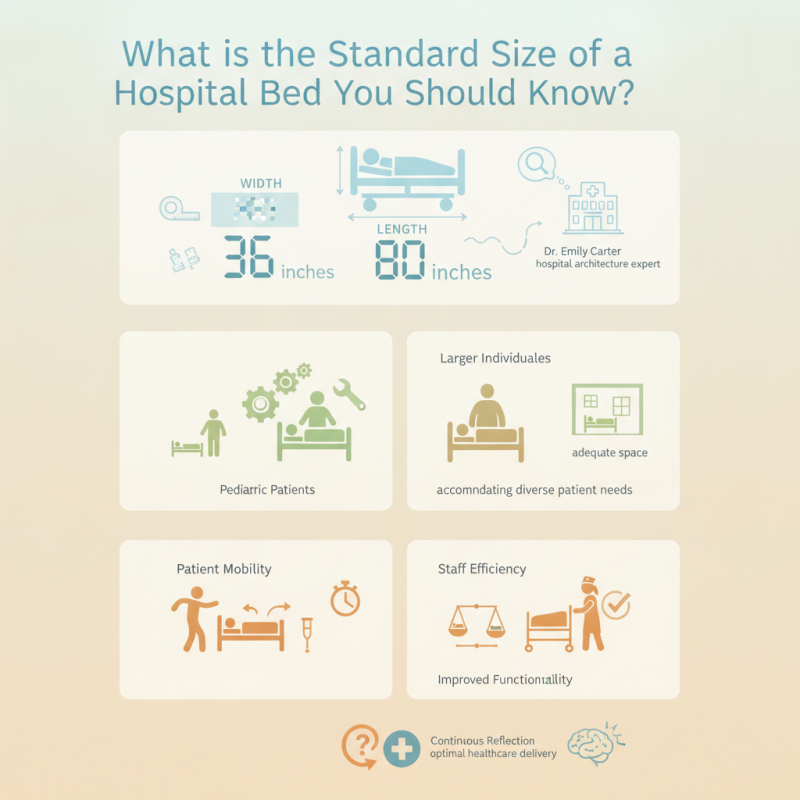
When considering hospital beds, dimensions are critical for patient comfort and care. The standard size of a hospital bed typically measures 36 inches wide by 80 inches long. This measurement allows sufficient space for most patients while accommodating additional equipment when necessary. Some beds may also be adjustable, providing further versatility for patient positioning.
Tips: Ensure to evaluate the specific needs of each patient before choosing a bed. A standard size may not fit everyone perfectly. In pediatric or larger patient cases, specialized dimensions might be necessary.
Additionally, the height of the bed matters. Most hospital beds range from 20 to 30 inches in height to facilitate easy access for both patients and caregivers. This feature can mitigate strain for caretakers when assisting patients.
Tips: Consider using bed accessories such as side rails or comfort overlays. They can enhance safety and comfort. Thoughtful evaluation of bed size and height can greatly influence patient recovery experiences.
| Bed Type | Dimensions (L x W) | Weight Capacity | Adjustable | Average Cost |
|---|---|---|---|---|
| Standard Hospital Bed | 80" x 36" | 350 lbs | Yes | $1,000 - $2,500 |
| Pediatric Hospital Bed | 56" x 30" | 150 lbs | Yes | $800 - $1,800 |
| Bariatric Hospital Bed | 80" x 48" | 600 lbs | Yes | $2,500 - $4,000 |
| Low Bed | 80" x 36" | 300 lbs | Yes | $1,200 - $2,200 |
| Electric Hospital Bed | 80" x 36" | 350 lbs | Yes | $1,500 - $3,000 |
Hospital beds come in various types, each designed for specific needs. The most common type is the standard hospital bed. These beds typically measure 36 inches wide and 80 inches long. However, they can be adjusted in height and backrest angles to enhance patient comfort.
Another type is the bariatric bed, which is wider and supports heavier patients. These beds usually measure 42 to 54 inches in width. There are also pediatric beds that cater to children. These beds are smaller, generally around 30 inches wide, and are specially designed to keep young patients safe.
When selecting a hospital bed, consider the patient's needs. Not all beds suit every condition. For instance, certain beds offer extra features like built-in scales or advanced positioning systems.
Tips: Always confirm the bed's dimensions before making a purchase. This ensures it fits in your space. Look for beds that enhance mobility for patients. Easy adjustments can aid comfort and care.
Choosing the right size for a hospital bed can greatly impact patient comfort and safety. Standard hospital beds typically measure 36 inches wide and 80 inches long. However, individual needs may vary. Special attention should be given to the patient's height and weight, as a proper fit ensures better support and minimizes risks of falls.
Tips for ensuring comfort include examining the mattress type. A foam or air mattress can enhance pressure relief. Additionally, adjustable side rails can provide extra safety when moving. It’s crucial that caregivers assess whether the bed size accommodates medical equipment, too.
Consider that not all patients will adjust easily to a hospital bed. Some may feel confined or uncomfortable. Open communication about their preferences is essential. Evaluate how the bed's design affects mobility for patients. These reflections help tailor the experience to each individual, promoting a safer recovery environment.
This chart displays the standard sizes of hospital beds based on patient comfort and safety considerations. The primary bed sizes are categorized by dimensions in inches, reflecting the most commonly used options in healthcare facilities.
When considering hospital bed sizes, it's essential to understand that variations exist to meet diverse medical needs.
Standard hospital beds typically measure 80 inches long and 36 inches wide, accommodating the average adult comfortably.
However, specialized beds are available for unique patient requirements.
For instance, pediatric beds are smaller, usually around 60 inches in length, designed for children and infants.
Certain conditions require adjustable beds. These beds can vary in size and functionality, providing tailored support for patients with mobility issues or particular medical conditions.
It's not uncommon to find beds that can elevate the head or foot, enhancing comfort and medical access.
However, finding the perfect fit isn't always straightforward. Each patient's needs can shift over time, which may necessitate re-evaluating their bed specifications.
In some cases, patients might require wider beds for comfort or health reasons. This can lead to challenges in limited spaces within hospitals.
Facilities often have to balance patient comfort with space constraints.
Additionally, there's the evolving technology in adjustable beds needing consideration.
The right choice of bed can heavily influence recovery, yet it can also trigger questions about costs and availability.
Each decision points to the broader importance of patient-centered care in hospital environments.
When considering hospital bed dimensions, regulations play a key role. Various organizations have established standards to ensure patient safety and comfort. The standard width of a hospital bed is typically 36 inches. This dimension allows enough space for medical staff to assist patients effectively. Length can vary, commonly measuring around 80 inches.
Compliance with these regulations is essential for quality care. A bed that meets these dimensions also accommodates compatible medical equipment. However, not all institutions follow these standards rigidly. Some facilities opt for custom beds to meet specific needs. This can create inconsistencies in care quality.
Understanding regulations helps in assessing bed designs. Designers must balance comfort with functionality. It is crucial for healthcare institutions to reflect on whether their beds truly adhere to these standards. This self-evaluation can enhance patient care by ensuring that all beds are usable and accessible.
: A standard hospital bed typically measures 36 inches wide by 80 inches long.
Dimensions are crucial for patient comfort and the effective use of medical equipment.
Yes, some beds are adjustable to allow better patient positioning and comfort.
Hospital beds generally range from 20 to 30 inches in height for easy access.
Proper bed height can reduce strain on caregivers when assisting patients.
No, specialized dimensions may be needed for pediatric or larger patients.
Regulations ensure that beds meet safety and comfort standards for effective care.
Custom beds can create inconsistencies in care quality across different facilities.
Evaluate patient needs and consider using accessories for improved safety and comfort.
Reflecting on bed compliance with standards can enhance overall patient care quality.
When considering "what is the standard size of a hospital bed," it is essential to understand the typical dimensions that cater to patient needs. Standard hospital beds generally measure around 36 inches in width and 80 inches in length, accommodating average adult sizes. However, various types of hospital beds, including pediatric beds and bariatric beds, exist with specific dimensions to meet different medical requirements.
Patient comfort and safety are critical factors in bed sizing, with adjustable beds providing flexibility to enhance care. Additionally, regulations and standards set by health organizations ensure that hospital beds are designed to provide adequate support and safety for patients. Variations in sizes also cater to specific medical conditions, emphasizing the importance of understanding hospital bed dimensions in a healthcare environment.

Reef Medical