Maintaining an electric hospital bed motor requires more than wiping dust from the frame. It protects patient safety, positioning accuracy, and equipment availability. This guide explains How to maintain the motor of an electric hospital bed through practical, repeatable checks. It focuses on noise, movement, wiring, lubrication, load limits, and service records. Small warning signs matter. A slower backrest may indicate resistance, wear, or a control fault.
According to biomedical equipment specialist David A. Smith, “Preventive maintenance is safer when technicians investigate changes before failures become emergencies.” That principle fits hospital beds closely. Listen for grinding during height adjustment. Watch for uneven lifting. Check whether the motor stops smoothly at its limits. Inspect plugs and cables for crushed insulation, exposed wires, or loose connections. Never open a sealed actuator without proper training and manufacturer guidance. A clean motor is not always a healthy motor. Moisture can hide beneath the housing. Over-lubrication can also attract dust and damage nearby components.
This 2026 maintenance overview also encourages careful reflection. Are inspections completed on schedule, or only after a complaint? Are unusual sounds recorded with dates and bed numbers? Are staff reporting intermittent faults clearly? These details help clinical engineering teams identify patterns. Always disconnect power before approved inspection work. Keep the bed unloaded when testing movement, unless the service manual states otherwise. If the motor overheats, smells burnt, or moves unpredictably, remove the bed from service and request qualified support. Reliability comes from disciplined habits, not quick fixes.verter
Understanding the Main Parts of an Electric Hospital Bed Motor
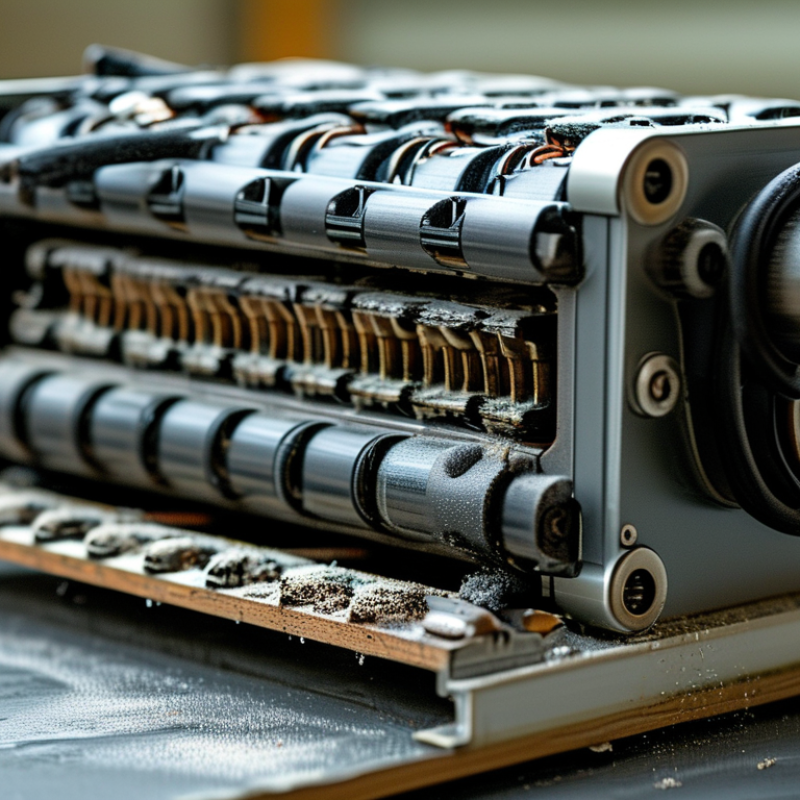
An electric hospital bed motor is usually an actuator, not one single component. It combines a motor, gearbox, threaded screw, and protective housing. The motor creates rotation. The gearbox reduces speed and increases lifting force. The screw then changes rotation into controlled movement. This mechanism raises the backrest, leg section, or bed height.
Small parts matter too. Limit switches stop movement at the correct positions. A control box distributes power between the hand pendant and actuators. Cables carry signals and electricity, while connectors protect against loose contact. Some beds also include a battery backup. During inspections, listen for grinding, clicking, or uneven movement. A warm housing may indicate overload or internal friction. Quiet does not always mean healthy.
Keep the frame clear before testing any function. Check that cables are not trapped beneath wheels or side rails. Wipe dust from the actuator housing with a slightly damp cloth, then dry it completely. Never open the motor housing without proper training. Internal springs and electrical parts can create serious hazards. Follow the bed’s service instructions and use a qualified technician for electrical testing.
One practical mistake is testing only the fastest setting. Slow movement can reveal worn gears or a bent screw. Check each position separately. Record unusual sounds, delays, and visible damage. Maintenance records are imperfect, but useful. A simple note can help technicians identify a problem before the motor stops during patient care.
Before maintaining an electric hospital bed motor, isolate the power system completely. The World Health Organization’s Global Patient Safety Action Plan 2021–2030 reports that one in ten patients experiences harm during healthcare, with more than half considered preventable. A loose cable can become a patient-safety issue, not merely a repair inconvenience.
Unplug the bed from the wall outlet. Remove or disconnect the backup battery when the service procedure permits it. Check the plug, cord, socket, fuse, and control-box indicator for heat marks, cracks, moisture, or unusual odors. Do not rely on a silent motor. It may still contain stored electrical energy. Press each movement control briefly before inspection, confirming that the bed cannot move unexpectedly. A second technician should observe this test.
Look closely at the motor housing and actuator rod. Bent rods, uneven movement, clicking sounds, or oil leakage suggest mechanical stress. The FDA’s Medical Device Reporting program identifies electrical and mechanical failures as recurring categories in device incident reports. Use an approved meter to verify voltage only if you are trained and authorized. Never open a power supply casually. I have seen maintenance teams skip battery testing because the mains supply worked. That shortcut was expensive. Record voltage readings, cable condition, alarm behavior, and the inspection date. Compare them with the service manual and IEC 60601-1 safety requirements, then remove the bed from service if readings remain unstable.
2026 Top Tips: How to Maintain an Electric Hospital Bed Motor?
Cleaning and lubricating the bed motor safely starts with isolation. Unplug the bed, remove the battery, and lock the casters before inspection. Use a lightly damp, approved cloth on the motor housing, frame, and handset cable. Never spray liquid into vents, connectors, or actuator seals. The CDC advises following manufacturer instructions for cleaning medical equipment and observing the required contact time for disinfectants. This matters because the WHO reports that one in ten patients experiences harm during healthcare, with more than half considered preventable.
Check for cracked insulation, loose plugs, unusual heat, and slow movement. A quiet motor is not always a healthy motor. Apply only the lubricant specified in the service manual, and use a small amount on approved mechanical joints. Grease should never reach electrical contacts or internal actuator components. Over-lubrication can trap dust beside the bed, creating a gritty paste. That is an easy mistake.
A trained biomedical technician should open the motor housing. IEC 60601-2-52 addresses safety requirements for medical beds, while routine servicing should follow the facility’s risk-based maintenance schedule. Record the cleaning date, lubricant type, test result, and technician name. A checklist helps, but it cannot replace judgment. If the motor stalls, smells hot, or moves unevenly, remove the bed from service and report it for professional assessment.
Testing bed movement is the fastest way to detect an electric hospital bed motor problem. Before testing, inspect the power cord, plug, handset, and cable connections for cuts or looseness. Apply the brakes, remove unnecessary equipment, and keep hands clear of moving joints. Operate the backrest, knee section, height, and tilt functions separately. Each movement should start smoothly and stop without drifting. A quiet motor is not proof of good condition.
Listen for clicking, grinding, humming, or repeated stops. Slow movement may indicate voltage loss, worn gears, overload, or a failing control module. If the bed moves unevenly, disconnect power and report it for qualified inspection. Do not open the motor housing while connected. The World Health Organization’s Global Patient Safety Action Plan identifies equipment-related failures as preventable risks requiring systematic checks. AHRQ hospital-fall guidance also emphasizes safe bed height, stable brakes, and controlled transfers.
A practical test should be recorded. Note the date, movement tested, unusual sound, response time, and visible error. Compare results with the service manual, not memory. I have found that one smooth cycle can create false confidence. Test every function twice, including under the approved working load. The Joint Commission’s sentinel-event reviews continue to list patient falls among serious reported events, so a weak motor deserves attention before bedside use. Sometimes the fault is intermittent. That is the difficult part.
Test every powered movement through its complete range and compare the measured operating time with the bed’s service manual. Longer movement times, repeated stops, unusual noise, or uneven motion can indicate overload, mechanical resistance, wiring faults, or motor wear.
The chart shows the main movement functions that should be tested during routine maintenance and the typical motor-related symptoms to monitor. Disconnect power before inspecting wiring, keep moving parts clear, and remove the bed from service if movement becomes unsafe or erratic.
Scheduling Professional Repairs and Preventive Maintenance
An electric hospital bed motor should receive professional attention before unusual noise becomes a failure. Schedule a qualified biomedical technician at fixed intervals, based on usage, manufacturer guidance, and facility risk assessments. The World Health Organization reports that one in ten patients experiences harm during healthcare, with more than half considered preventable. Reliable bed movement supports safer repositioning and transfers.
During each service visit, the technician should inspect motor housing, wiring, hand controls, actuators, limit switches, and emergency functions. They should test lifting under a controlled load, listen for grinding, and check whether movement stops smoothly. Keep it practical. Record the date, findings, parts replaced, test results, and the next service date. The ECRI Health Technology Hazard reports repeatedly identify inadequate maintenance and staff training as recurring equipment risks.
Do not guess.
Remove a bed from service when movement is jerky, overheating occurs, or burning smells appear. A rushed repair may hide damage inside the actuator. That weakness deserves reflection. Preventive maintenance should also include cleaning around wheels, cables, and motor vents, because fluid buildup and dust can increase resistance. The FDA advises healthcare facilities to maintain device service records and report serious equipment problems through proper channels. A documented repair schedule improves accountability and helps staff recognize early warning signs.
Scheduling Professional Repairs and Preventive Maintenance
Use this schedule with the bed manufacturer’s instructions, facility procedures, and applicable medical-device and electrical-safety requirements. Disconnect the bed from mains power before inspection or cleaning unless a qualified technician requires power for testing.
| Maintenance Interval | Motor or Bed Area | Recommended Check | Normal Condition | Action if a Problem Is Found | Responsible Person |
|---|---|---|---|---|---|
| Before every use | Hand control and motorized functions | Test height, backrest, knee-break, and approved bed-position functions. Check that controls are clearly labeled and that movement stops when the control is released. | Smooth, controlled movement with no unexpected stopping, delay, burning smell, or unusual noise. | Remove the bed from patient use, label it for inspection, and report the fault to qualified maintenance personnel. | Nursing or care staff |
| Daily | Power cord, plug, and cable routing | Look for cuts, crushed sections, exposed conductors, loose plugs, liquid contamination, and cables trapped by casters or moving frames. | Cable insulation is intact, the plug is secure, and cables have adequate clearance from moving parts. | Do not tape, splice, or continue using a damaged cord. Disconnect the bed and arrange replacement by a qualified person. | Care staff; facilities team |
| Daily | Frame, actuator mounts, and moving joints | Check for loose fasteners, bent components, visible actuator damage, obstruction, and objects beneath the bed. | No structural damage, binding, or contact between the actuator and frame during movement. | Stop operation if movement is restricted. Have the bed inspected before returning it to service. | Care staff; biomedical personnel |
| After cleaning | Motor housing, actuator seals, and control components | Use only approved cleaning products and a damp cloth. Prevent fluid from entering motors, connectors, hand controls, and junction boxes. | Surfaces are clean and dry; no pooled liquid or moisture is visible around electrical components. | Disconnect power if liquid enters an electrical part. Allow inspection and drying by qualified personnel before use. | Environmental-services staff; facilities team |
| Monthly | Actuator performance | Operate each powered function through its normal range without a patient in the bed. Listen for grinding, clicking, chatter, or repeated thermal cut-outs. | Consistent speed and sound, no jerking, and no abnormal heat or odor. | Record the symptom and schedule professional diagnosis. Do not open or rebuild the actuator in-house unless specifically authorized. | Biomedical or maintenance technician |
| Monthly | Casters, brakes, and frame alignment | Confirm casters roll freely, brakes hold the bed securely, and the frame remains stable while powered functions operate. | Bed remains stable during adjustment and does not shift when brakes are applied. | Tag out the bed if instability could load the motor or create a patient-safety risk. Repair before use. | Facilities or biomedical technician |
| Quarterly | Electrical safety and protective devices | Carry out documented electrical-safety checks using calibrated test equipment and the facility’s approved procedure, including protective-earth and leakage-current tests where applicable. | Results meet the limits required by the applicable local standard, facility policy, and equipment instructions. | Remove from service and investigate any failed result. Repairs and retesting must be completed by qualified personnel. | Qualified electrical or biomedical technician |
| Every 6–12 months | Preventive maintenance review | Inspect fasteners, actuator attachments, cable strain relief, control-box connections, labels, emergency functions, and stored fault history if available. | All components are secure, identifiable, and operating according to the equipment instructions. | Set the next service date based on risk, usage, service history, and the manufacturer’s recommended interval. | Biomedical engineering department |
| Immediately | Overheating, smoke, sparks, or burning odor | Stop movement, disconnect mains power if it is safe to do so, keep the bed away from use, and document the event. | No smoke, sparks, burning odor, excessive heat, or electrical arcing. | Treat as a priority repair. Do not repeatedly reset or operate the motor to test it. | Clinical staff; qualified technician |
| After any repair | Functional and safety verification | Verify correct operation of all affected functions, inspect cable routing and fasteners, complete required electrical tests, and update the service record. | Repair is documented, the bed passes required checks, and no new fault is present. | Keep the bed out of service until all failed tests are resolved and release is authorized. | Qualified biomedical technician |
The motor stalls, moves unevenly, produces abnormal noise, repeatedly trips protection, shows visible damage, or fails an electrical-safety test.
Record the bed identification number, date, operating hours if available, symptoms, inspection results, parts replaced, technician, test results, and next due date.
Do not lubricate sealed actuators without approved instructions, bypass limit switches, use extension cords contrary to facility policy, or allow unqualified staff to open electrical enclosures.
: It usually contains a motor, gearbox, threaded screw, and protective housing. The motor rotates. The gearbox increases lifting force. The screw changes rotation into controlled movement.
The motor may raise the backrest, leg section, bed height, or tilt angle. Test each movement separately. Do not test only the fastest setting.
Grinding, clicking, humming, repeated stops, and uneven movement may indicate trouble. A warm housing can suggest overload or internal friction. Quiet is not proof.
Apply the brakes and remove unnecessary equipment before testing. Keep hands away from joints and moving sections. Check the power cord, handset, cables, and connectors. Test every function twice under the approved working load.
Record the date, function tested, response time, sounds, delays, and visible damage. Compare results with the service manual, not memory. One smooth cycle can create false confidence.
Wipe the housing with a slightly damp cloth, then dry it completely. Keep dust and fluid away from cables and vents. Never open the housing without proper training. Internal electrical parts and springs can cause serious hazards.
Remove it from service after jerky movement, overheating, burning smells, or repeated stopping. Disconnect power and request qualified inspection. Do not guess.
Schedule qualified biomedical inspections at fixed intervals. Use equipment usage, service guidance, and facility risk when setting intervals. Inspect wiring, actuators, switches, controls, emergency functions, and lifting performance.
Records show repairs, test results, replaced parts, and the next service date. They help technicians recognize intermittent faults. The records may be imperfect. They still matter.
Maintaining the motor of an electric hospital bed requires a careful, step-by-step approach focused on safety, cleanliness, and reliable operation. Begin by understanding the motor’s main parts, including the actuator, cables, control connections, and power supply. Before any maintenance, disconnect the bed from electricity and inspect the motor, plugs, wiring, and emergency power components for visible damage, loose connections, overheating, or unusual sounds.
How to maintain the motor of an electric hospital bed also involves removing dust and debris with safe, dry cleaning methods and applying only suitable lubricant to approved moving points. After servicing, reconnect the power and test each bed movement slowly, checking for delays, uneven motion, abnormal noise, or failure to respond. If the motor continues to malfunction, stop using the bed and arrange professional repair. Regular inspections, proper cleaning, load awareness, and scheduled preventive maintenance can help extend motor life and support safe, dependable patient care.

Reef Medical