Choosing the right nursing bed is vital for improving patient care. The shift from manual to electric beds can be significant. Dr. Emily Harper, a leading expert in geriatric care, states, "Upgrading to an electric nursing bed can enhance comfort and safety." But when should you upgrade to an electric nursing bed?
Consider the patient’s condition. If mobility is decreasing, an electric bed eases transitions and enhances independence. Manual adjustments can be strenuous for caregivers and patients alike. An electric bed can also reduce the risk of falls, making it crucial for those at higher risk.
Yet, the decision is not always straightforward. Budget constraints and space limitations may complicate matters. Balancing these factors requires careful thought. Evaluating the specific needs of the patient will guide the decision-making process effectively. Upgrading is not merely about convenience; it directly impacts the quality of care provided.
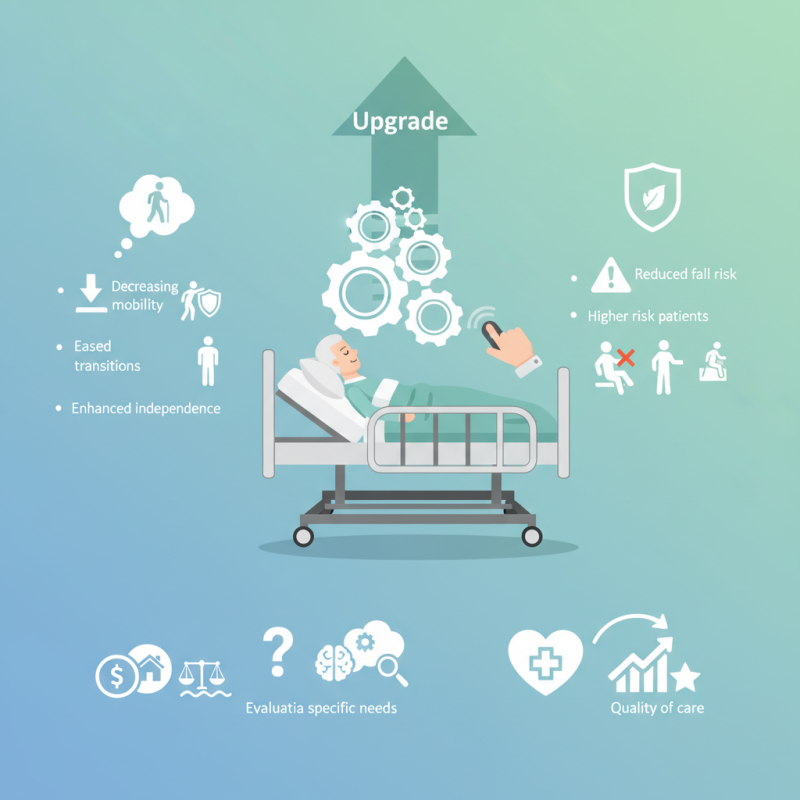
When considering an upgrade to an electric nursing bed, several critical factors come into play. The primary aspect is the patient's needs. Electric beds provide enhanced comfort and support, making daily tasks easier for both patients and caregivers. Evaluate how the added features can improve care routines. Consider how often the patient needs assistance with movement and positioning. This can directly impact the decision to switch to an electric model.
Another significant factor is the caregiver's experience. Electric beds can reduce physical strain and injury risks for caregivers. It’s essential to reflect on the caregiving dynamics. If manual handling has been a challenge, an electric bed could be a practical solution. The ease of adjustments can lead to better care and comfort for everyone involved.
Tips: Always check for safety features, like side rails and locking wheels. Ensure the bed's functions are user-friendly, especially for those with limited mobility. Regular training on using these beds can enhance caregiver confidence. Additionally, consider the bed’s durability and warranty. Investing wisely ensures long-term support and care.
Electric nursing beds have become essential tools in enhancing patient care. These beds come with various adjustments that improve both comfort and accessibility. With the press of a button, caregivers can modify the position of the bed to suit individual needs. This capability reduces strain on both patients and staff, making it easier to perform daily tasks.
Patient comfort is significantly improved with electric nursing beds. Many patients report feeling more satisfied with their overall experience. The ability to adjust the height and angle of the bed allows for a personalized approach. Chairs and wheelchairs can easily align with the bed. This can minimize falls and provide greater safety.
However, transitioning to electric nursing beds is not without challenges. The initial cost can be high, and staff training is vital. Caregivers need to understand how to use the electric features effectively. Regular maintenance is also necessary to avoid breakdowns. These factors can affect the decision to upgrade, so careful consideration is needed.
Upgrading to an electric nursing bed can greatly enhance patient care. But when is the right time to make such a decision?
Recognizing specific signs can guide this choice.
If a loved one is struggling with mobility, it may be time for an upgrade. Manual beds often lack the support needed for easy repositioning. An electric nursing bed features adjustable heights and positions, making transfers easier and safer.
This helps reduce the risk of falls and injuries.
Another sign is the noticeable strain on caregivers. If lifting or repositioning becomes challenging, it suggests a need for change. An electric nursing bed can significantly reduce physical exertion.
It empowers both patients and caregivers. Regular updates in bed technology also improve care efficiency.
However, it's essential to assess the individual’s specific needs before making a decision. Considerations around budget and space should not be overlooked.
Upgrading requires careful thought and reflection, but the benefits often outweigh the inconveniences.
When considering nursing beds, the choice between manual and electric options is crucial. Electric nursing beds offer enhanced functionality. They allow precise adjustments with just a push of a button. This feature is especially beneficial for patients with limited mobility. Caregivers can reposition patients easily, reducing physical strain and risk of injury.
Manual nursing beds, on the other hand, require physical effort to adjust. They can serve well for caregivers in certain conditions. However, this manual approach often leads to fatigue. It can slow down the caregiving process. A caregiver may find it challenging to make quick adjustments, especially during emergencies.
Research suggests that electric beds can improve overall patient comfort and care outcomes. Enhanced adjustability aids in better posture and reduces pressure sores. While manual beds can be economical, their limitations in efficiency are notable. As healthcare evolves, investing in electric nursing beds seems a thoughtful option. The decision ultimately hinges on specific care needs and the environment.
| Feature | Manual Nursing Bed | Electric Nursing Bed |
|---|---|---|
| Adjustability | Limited adjustment options, requires manual effort. | Multiple adjustment features available with electric controls. |
| Ease of Use | More physically demanding for caregivers. | User-friendly with minimal physical effort required. |
| Cost | Generally lower upfront cost. | Higher initial investment but may reduce long-term care costs. |
| Availability of Features | Basic functions. | Advanced features like weight scales and therapeutic positions. |
| Comfort for Patient | Limited comfort adjustments. | Enhanced comfort options available. |
| Power Dependency | No power required. | Requires electricity, potential concerns during power outages. |
| Maintenance | Low maintenance, fewer parts to service. | Requires regular maintenance for mechanical parts. |
Upgrading to an electric nursing bed can significantly influence the quality of care provided. However, the decision involves careful financial considerations. Electric beds often come with higher initial costs. Still, they can reduce the long-term expenses associated with caregiving.
When assessing the financial impact, consider potential savings in labor costs. With an electric bed, caregivers can adjust the bed with ease. This feature can lessen physical strain on staff, potentially reducing workplace injury costs. Additionally, the convenience of these beds can lead to improved patient satisfaction and quicker recovery times. Patients who are more comfortable may require fewer medical interventions, thus lowering overall healthcare expenses.
Tips for a smart upgrade include evaluating the specific needs of the patient. Not every situation requires an electric model. Consider the frequency and type of adjustments needed. Sometimes, a manual bed suffices. Understanding the potential return on investment is crucial. If upgrading can lead to significant improvements in care or efficiency, it’s well worth the upfront cost. Always assess your budget against the benefits.
: Upgrade if the patient struggles with mobility or if caregivers strain while lifting.
They allow for easy height and position adjustments, enhancing patient transfers and safety.
Manual beds require physical effort to adjust; electric beds use buttons for easy adjustments.
Yes, they decrease physical effort needed, making caregiver tasks easier and reducing injury risks.
Yes, they improve patient comfort and care outcomes, despite being more expensive initially.
Assess the patient’s specific needs, budget limitations, and available space before making a decision.
They can be economical and suitable in certain conditions but may lead to caregiver fatigue.
They provide better adjustability, improving posture and potentially reducing pressure sores.
They may slow down caregiving and can be challenging during emergencies.
Not always; it is essential to evaluate individual care requirements before deciding.
The article explores the critical question, "When should you upgrade to an electric nursing bed?" It highlights several key factors that should be considered during the decision-making process, including the specific needs of patients, the benefits that electric nursing beds offer in terms of comfort and ease of care, and the signs that indicate a current bed may no longer suffice. Additionally, the article provides a comparison between manual and electric nursing beds, illustrating the advantages of electric models in terms of functionality and patient support.
Financial considerations are also discussed, emphasizing the importance of weighing costs against the potential improvements in patient care and caregiver efficiency. Overall, the content aims to guide caregivers and healthcare providers in assessing their current setups and recognizing the right time to transition to electric nursing beds for optimal care delivery.

Reef Medical