When deciding "When should you upgrade to an electric nursing bed," it's crucial to consult with industry experts. Dr. Anna Smith, a leading occupational therapist, can provide valuable insights. She states, “Choosing the right bed can significantly impact both caregiver efficiency and patient comfort.”
Electric nursing beds are revolutionizing patient care. They offer adjustable positions for easier access and comfort. These beds are especially beneficial for patients with mobility issues or chronic pain. The ability to elevate the bed can aid in transferring patients safely.
Consider your current situation. Are caregivers struggling with manual adjustments? Are patients experiencing discomfort? These factors often indicate the need for an upgrade. Reflect on the long-term benefits versus the initial investment. An electric nursing bed may provide significant improvements in care quality and ease of use.
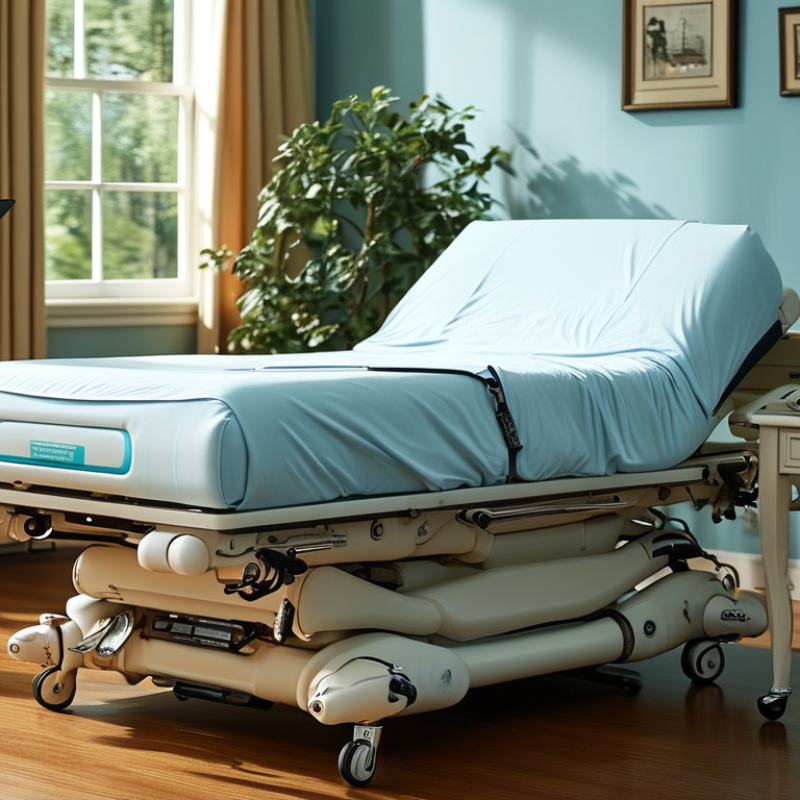
When considering an upgrade to an electric nursing bed, several essential factors come into play. Comfort and ease of use are paramount. An electric nursing bed often allows for adjustable positions, which can significantly enhance comfort for patients with specific medical needs. If a loved one frequently requires repositioning, the electric feature can provide a smoother experience for both the patient and the caregiver.
Another important consideration is mobility. Assess the patient's ability to move with or without assistance. If a patient struggles to get in and out of bed, an electric nursing bed could offer the needed support. Height adjustments make accessing the bed easier, reducing strain on caregivers.
Tips for choosing the right bed include examining weight limits and safety features. A bed should accommodate the patient’s weight comfortably. Look for side rails and locking mechanisms, ensuring safety while getting in and out. Pay attention to the bed's warranty and after-sale service; it reflects the manufacturer's commitment to quality. Remember, not every bed fits every patient. Reflect on individual needs before making a decision.
Electric nursing beds offer significant advantages over manual options, particularly in caregiving settings. According to a study published in the Journal of Gerontology, up to 60% of caregivers reported reduced physical strain when using electric beds. This shift not only enhances the comfort of patients but also promotes better collaborative care.
One notable benefit is the ease of adjusting the bed’s position. Caregivers can manage patient comfort without excessive lifting or movement. This capability decreases the risk of injury, which is critical in nursing environments. Furthermore, electric nursing beds often come with additional features like built-in safety rails and adjustable height settings. These features provide greater safety and convenience for both patients and caregivers.
Tips: Always assess the specific needs of your patients. Some may require more individualized settings. Regular training for caregivers on the use of these beds can improve efficiency and safety. Take time to reflect on the cost versus benefits. Investing in an electric nursing bed might seem high initially but can lead to long-term savings through reduced caregiver injuries.
Upgrading to an electric nursing bed can significantly enhance patient comfort and caregiver efficiency. One clear sign it's time to upgrade is the physical condition of the current bed. Research indicates that over 30% of nursing beds show wear and tear within five years of intensive use. If the bed is sagging or has broken components, immediate replacement is advisable.
Another indicator is patient feedback. Studies reveal that beds with adjustable features improve patient satisfaction by over 40%. If patients express discomfort or difficulty in positioning, this could suggest the need for an upgrade. Additionally, if caregivers report increased strain during patient transfers, a modern electric bed might alleviate some of that stress, making daily tasks safer and easier.
Lastly, consider technological advancements. Newer electric nursing beds often come equipped with features like integrated monitoring systems and customizable settings. Healthcare experts note that these innovations can reduce hospital readmission rates by 25%. If your current bed lacks such features, it may be time for an update.
Upgrading to an electric nursing bed involves careful consideration of costs. Electric nursing beds generally come with a higher price tag compared to traditional beds. However, their benefits can often outweigh the initial investment. Electric beds provide adjustable positions, making them more comfortable for patients. They offer ease of mobility for caregivers, which can enhance overall care. The initial cost can be daunting, but think about long-term benefits.
When comparing costs, factor in maintenance and durability. Traditional beds may require more frequent replacements, while electric beds often have longer lifespans. Electricity costs for using an electric bed are minimal compared to savings from reduced caregiver strain. Additionally, consider the impact on patient health. Improved comfort can lead to shorter recovery times, which ultimately saves money.
Tips for evaluating your needs: assess the specific medical requirements and room space. Consider patient mobility and caregiver assistance. Budget for potential repair costs of electric beds. Also, reflect on whether the added features of an electric bed justify the expense. Choosing wisely can enhance quality of care and patient satisfaction.
Choosing the right electric nursing bed is crucial for ensuring patient comfort and care. Recent industry reports indicate that nearly 65% of nursing beds in healthcare settings are now electric. This shift highlights the growing need for convenience and functionality. When selecting a bed, consider the size and weight capacity. A bed that can accommodate heavier patients is vital for safety.
Moreover, examine the adjustability features. Adjustable heights and backrests provide easy access for caregivers and reduce strain. Research indicates that ergonomic designs can significantly reduce the risk of back injuries among caregivers, promoting better workplace health. Look for beds that offer customizable settings based on individual needs.
Don’t overlook additional features like built-in safety rails and mobility aids. These enhancements can enrich the patient experience. However, some beds may be complex to operate, leading to potential confusion among users. It’s essential to assess the learning curve of the electric bed’s controls. Investing in proper training for caregivers is often a necessary step. Balancing these factors will ultimately lead to a more informed decision.
: Consider comfort, ease of use, and the patient's mobility needs before deciding on a bed.
Electric beds allow for adjustable positions, enhancing comfort and reducing physical strain during repositioning.
Check for side rails and locking mechanisms to ensure safety as patients enter and exit the bed.
While electric beds have a higher initial cost, their long-term benefits can make them more economical over time.
They reduce physical strain on caregivers, making tasks like repositioning easier and lowering the risk of injuries.
Regular training for caregivers can enhance safety and ensure efficient use of the beds for patient care.
Yes, improved comfort from adjustable positions can lead to faster healing and reduce overall healthcare costs.
Consider individual patient needs, long-term savings, and whether additional features justify the higher price.
They typically have a longer lifespan than traditional beds, resulting in fewer replacements and lower maintenance costs.
Yes, a solid warranty indicates the manufacturer's commitment to quality and can provide peace of mind.
When should you upgrade to an electric nursing bed" is a crucial question for caregivers and healthcare facilities. To make this decision, several factors should be considered, including patient mobility needs, comfort levels, and the extent of care required. Electric nursing beds offer significant advantages over manual options, such as improved accessibility and ease of use for both patients and caregivers, enabling better positioning and comfort.
Signs indicating it's time to upgrade may include patient difficulty in changing positions, increased care demands, or aging of the existing bed. Additionally, a comparison of costs reveals that while electric nursing beds may have a higher initial investment, their long-term benefits can outweigh traditional beds. Ultimately, selecting the right electric nursing bed involves assessing individual needs and preferences to ensure optimal care and support.

Reef Medical