📊 Overview - Basic Info
Function
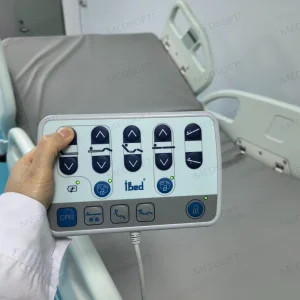
Five-function Multifunction
Certification
CE, FDA, ISO13485
Using Ambient
Hospital / ICU
Guardrail
Aluminum Guardrail
📝 Product Description
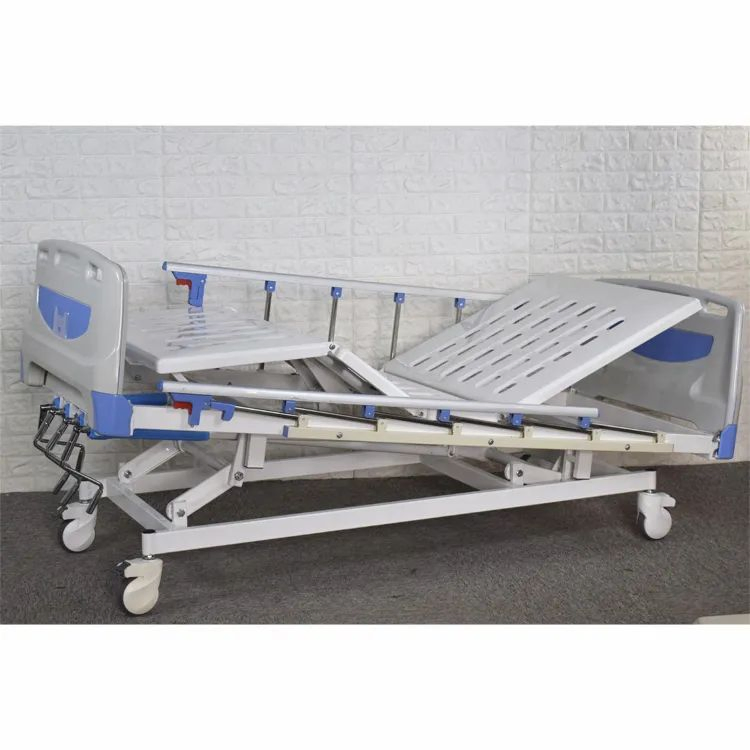
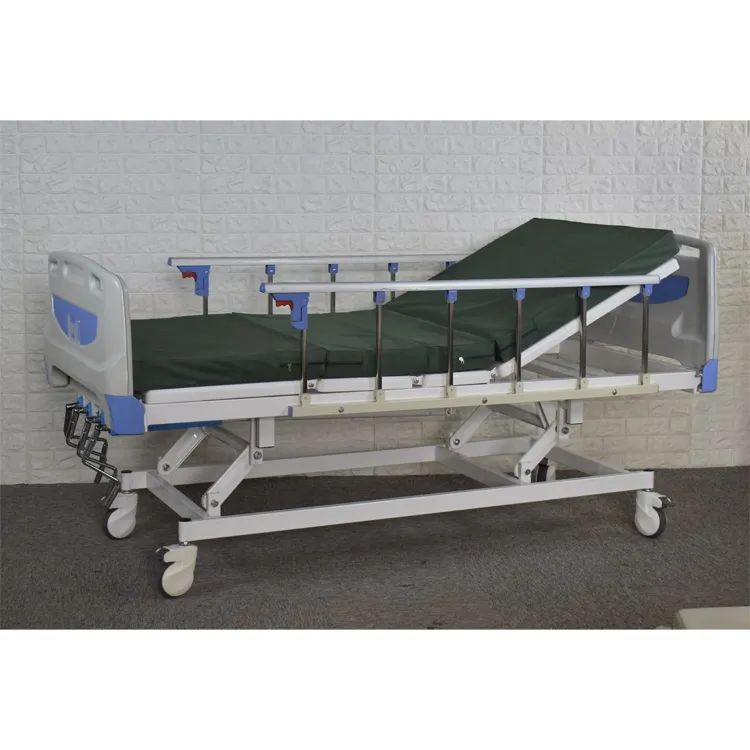
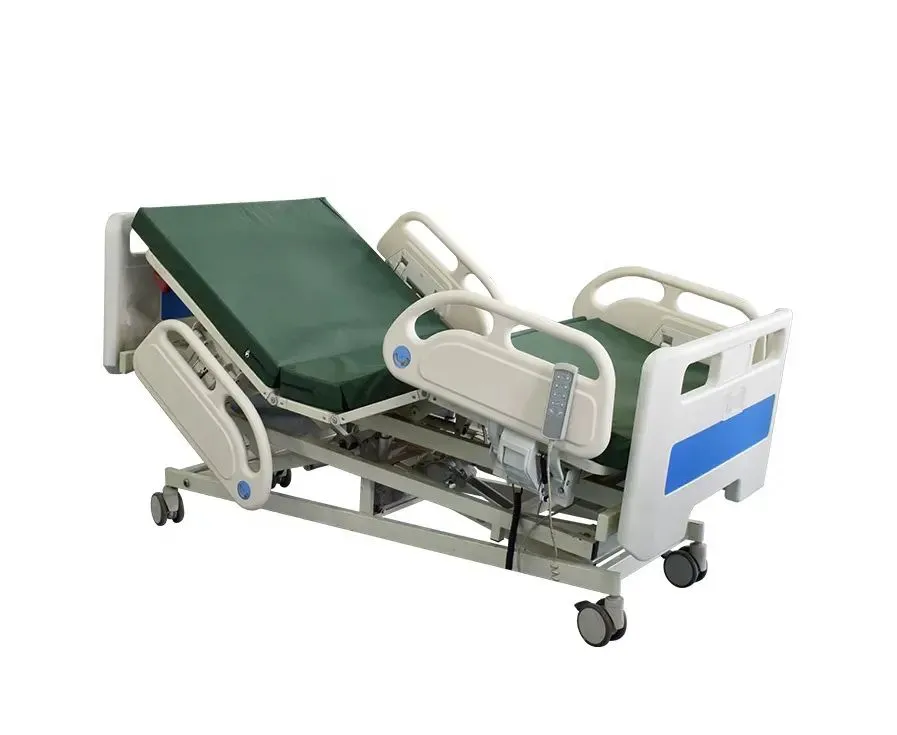
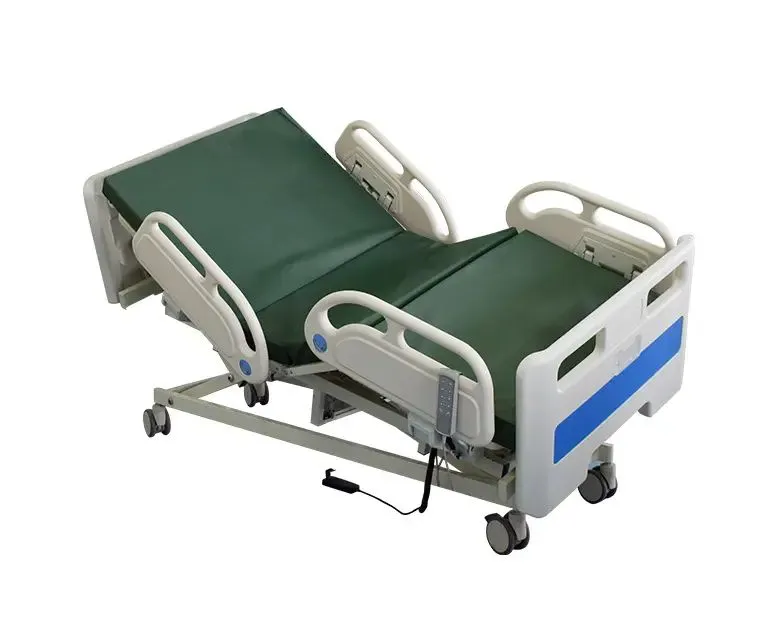
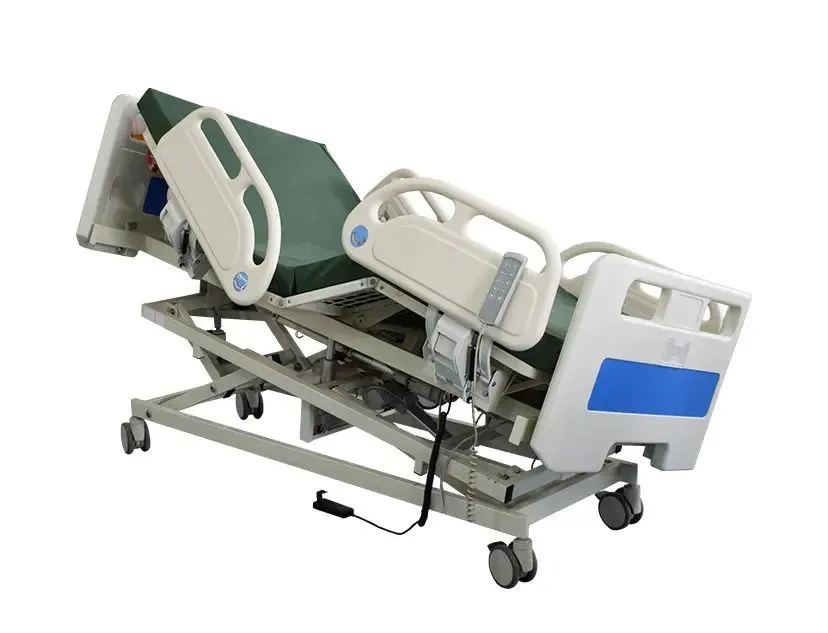
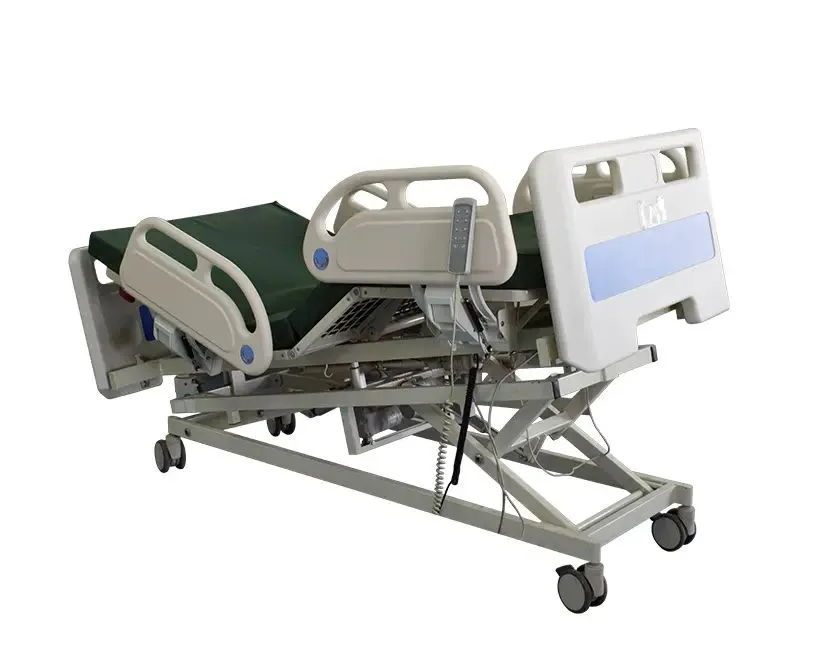
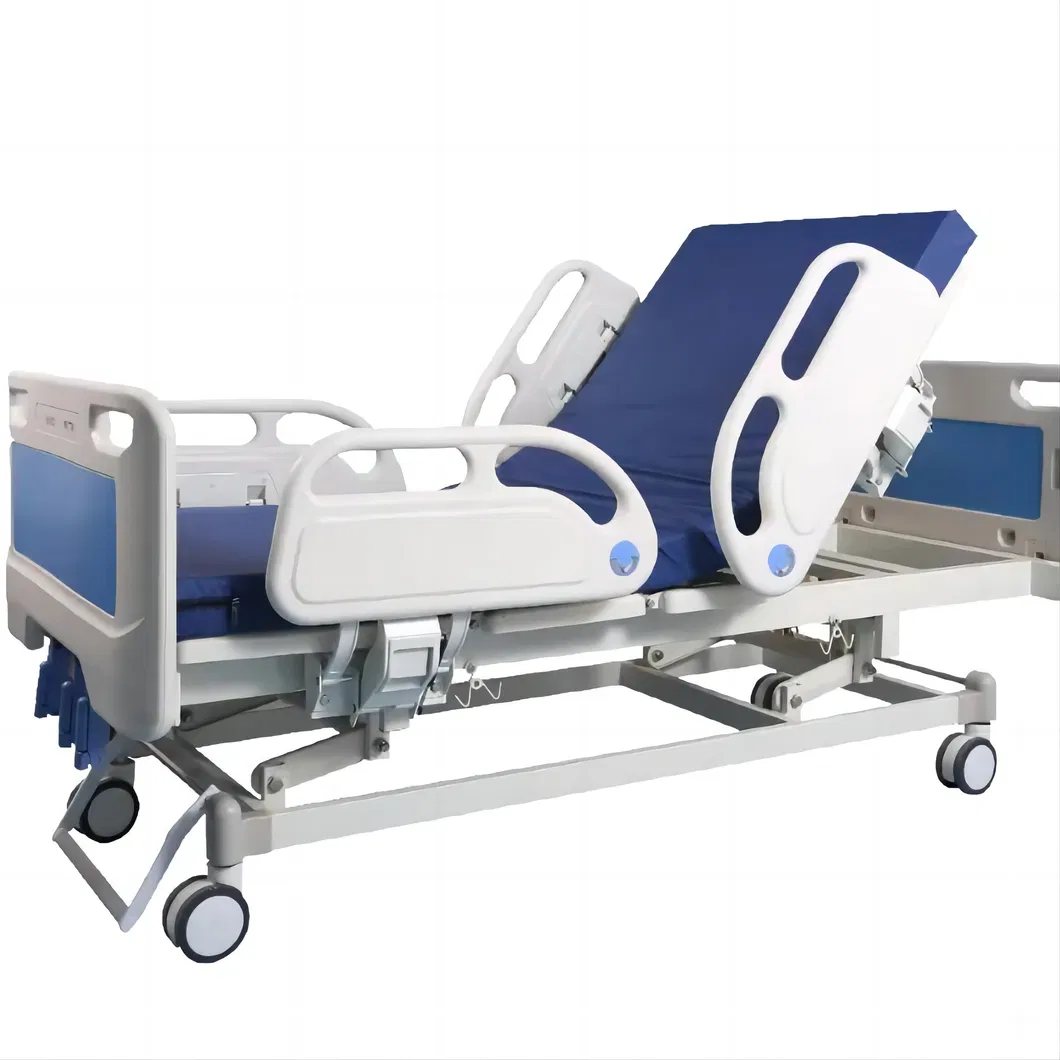
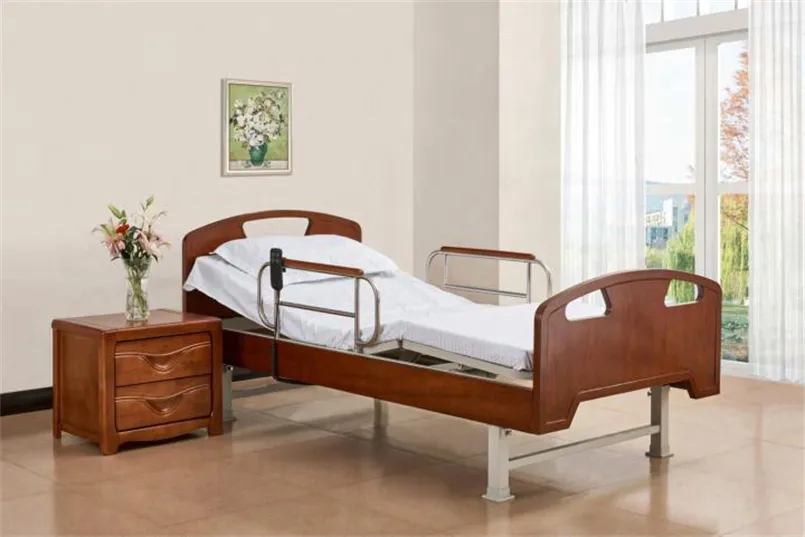
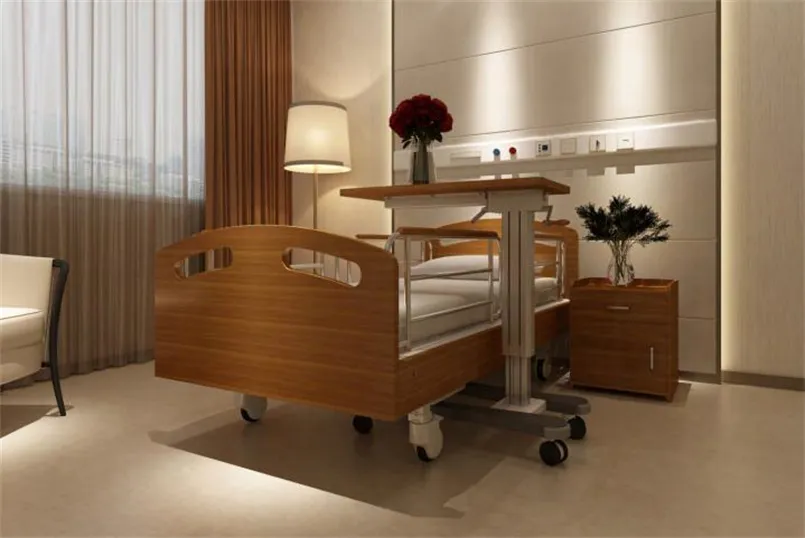
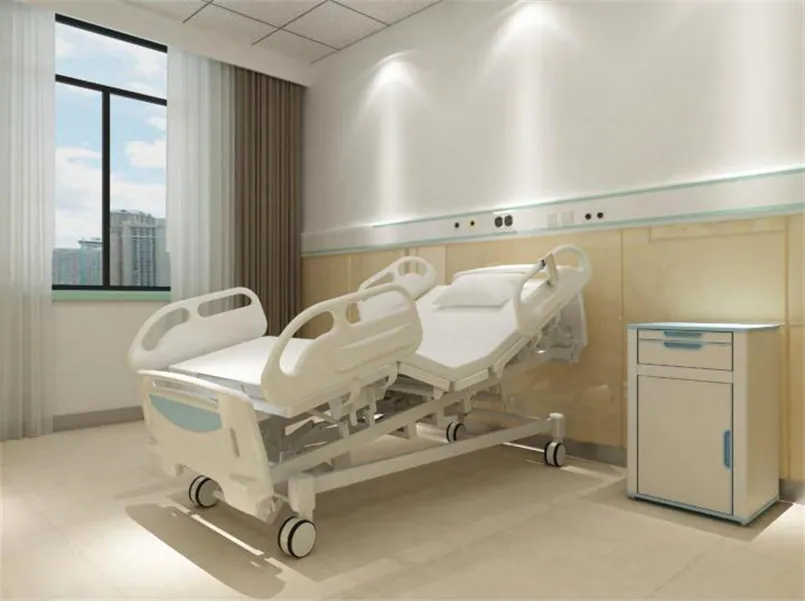
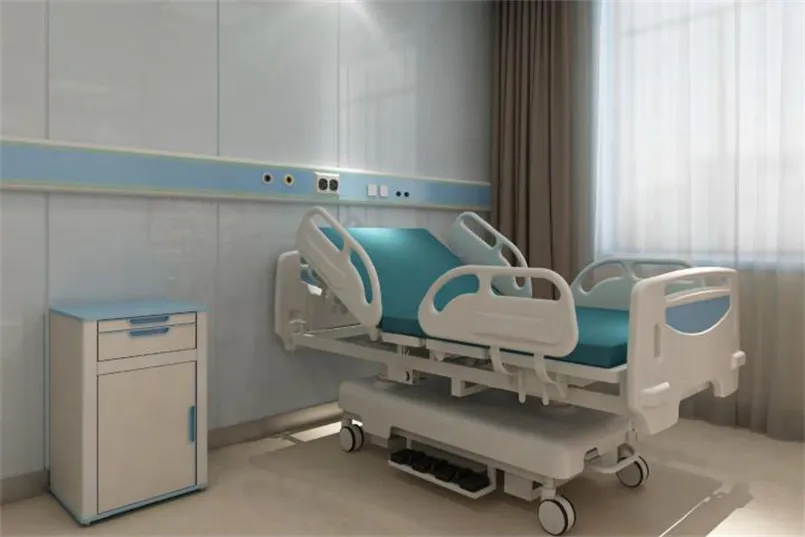
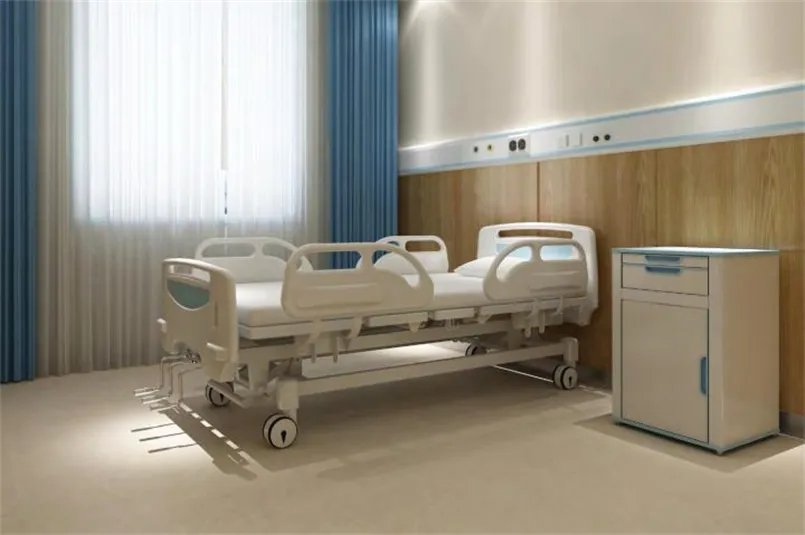
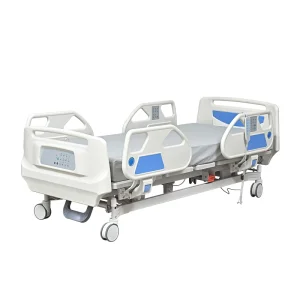
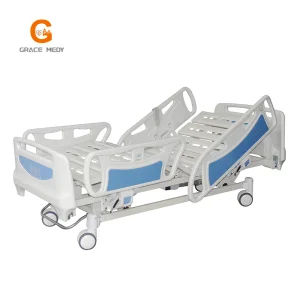
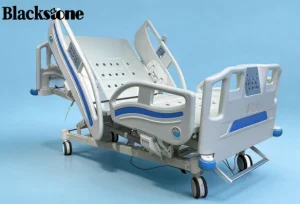
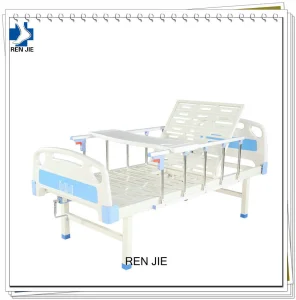
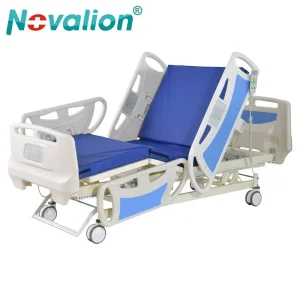
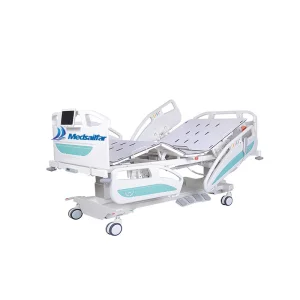
Hospital beds have features that increase the comfort for those in recovery and make it easier to manage mobility issues. Some basic features of a care bed include side rails, adjustable headrests and footrests, adjustable heights, and more room in which the patient can move around. Hospital beds are an ideal option for anyone who must be off their feet for extended periods or have trouble getting in and out of bed.
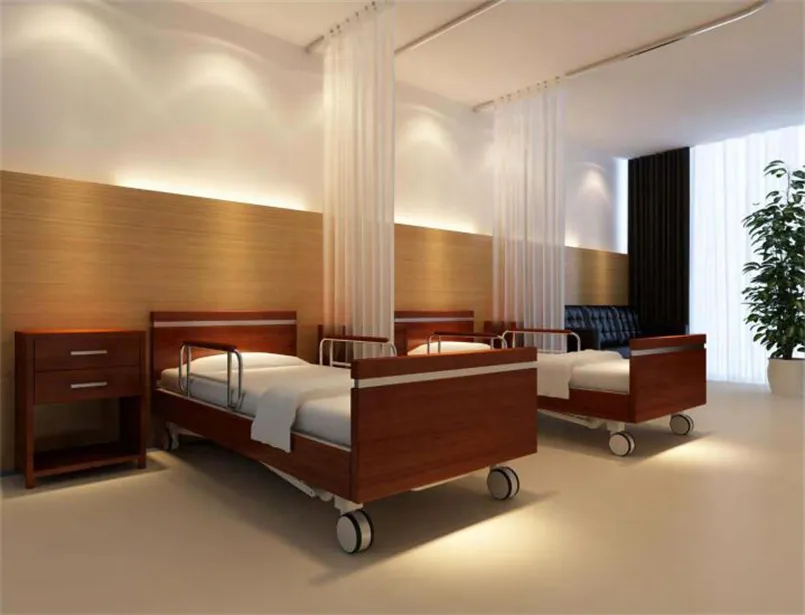
Ordinary beds are insufficient in cases of long-term immobility, leading to problems like bedsores and longer healing times. Certain conditions can make it more difficult to eat, drink, and get a good night's sleep in a regular bed. Anyone can add the utility and support of a hospital bed in the comfort of their own home or residence.
Hospital beds also make it easier for caregivers, as the height and positions are adjustable to make getting in and out of bed with less strain. The patient and caregiver can also raise the bed to make it easier for the caregiver to attend to the patient without bending over.
⚙️ Product Parameters
Every model on the market is an electric bed, meaning it uses a power source to let the patient raise and lower the height, adjust the position of the mattress, and use accessories that add comfort and stability.
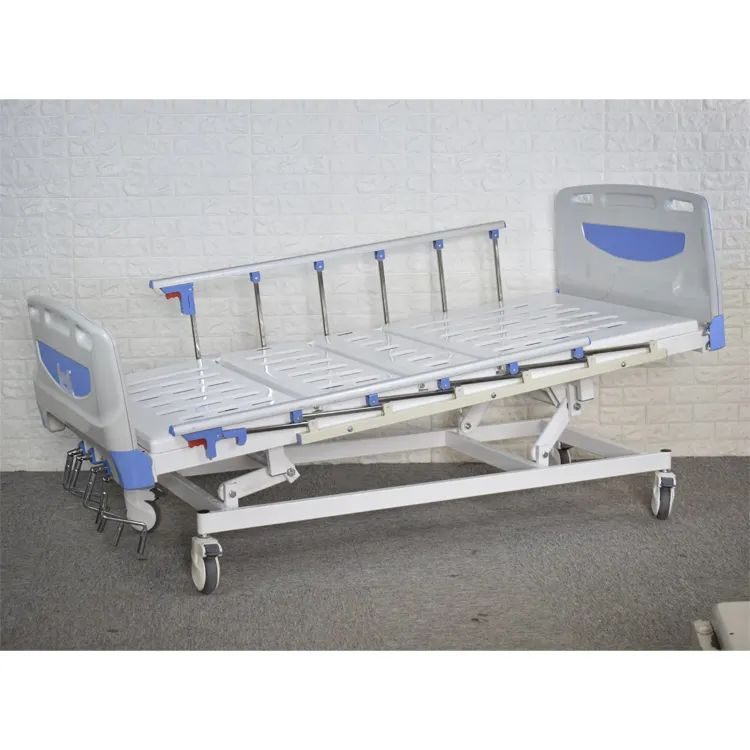
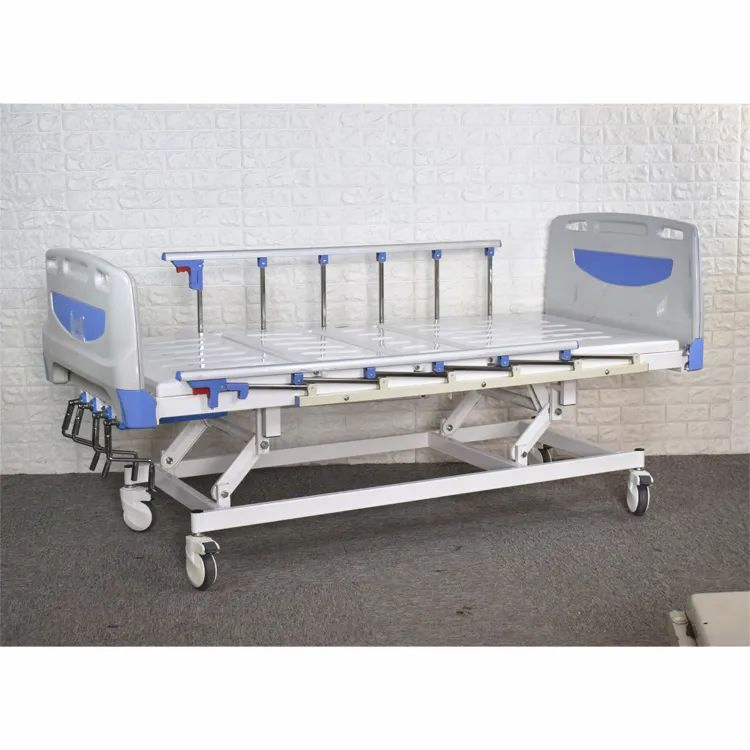
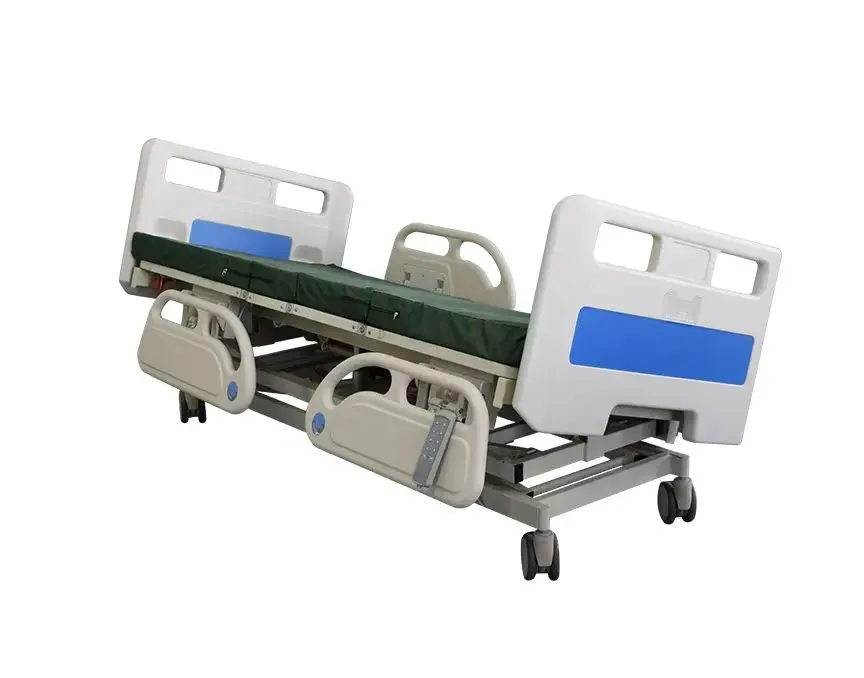
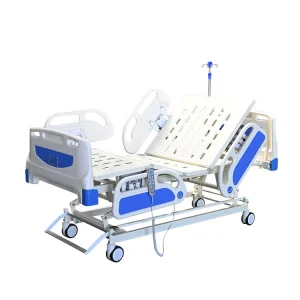
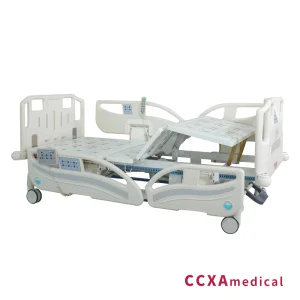
| Headboard | ABS square headboard, beautiful atmosphere |
| Guardrail | ABS four small guardrail |
| Wheel | ABS silent double-sided wheel, no shaking, flexible rolling |
| Bed surface | 1.0mm cold tie belt welded and punched |
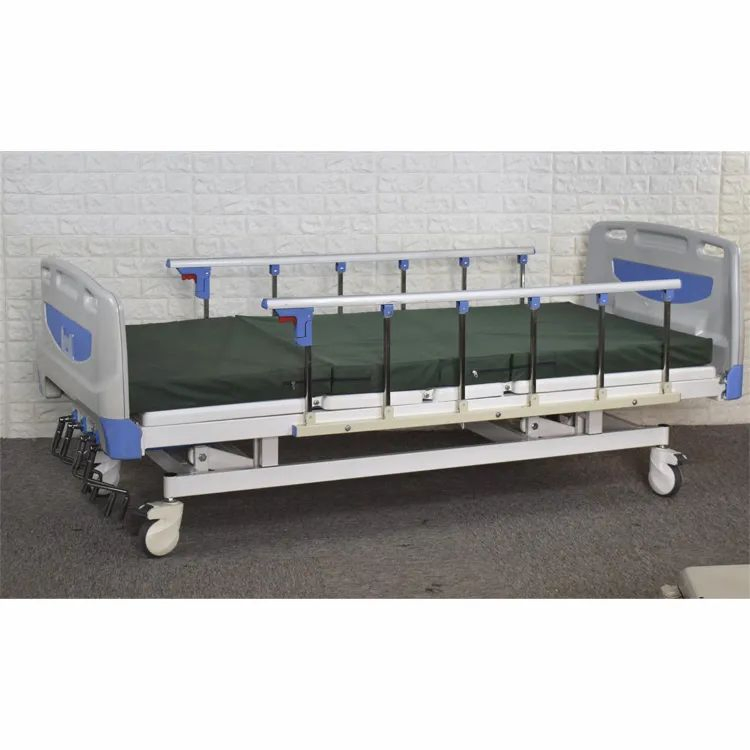
| Mattress | 8CM thick, half brown silk and half sponge mattress |
| Motor | Lincoln eight functions motor |
| Infusion rod | Stainless steel, three-claw hook, easy to operate |
| CPR | Electric and manual CPR |
| Applicable people | ICU Patients |
✅ Our Advantages
Easy to make heat and foot positioning adjustments
Lower cost for head and foot adjustability
User confidence and independence support
No strain on caregivers to adjust the bed
Prevents falls during patient transfers
Customized positioning for user comfort
Electric height adjustability
Choice of sizes for different needs
🖼️ Detailed Photos
🔗 Related Products
💡 Buying Guide
1. Patient Requirements Are Paramount
Consider why the bed is needed, the person's mobility level, and if they can get out of bed independently. Features should match specific care needs.
2. Consider Caregiver Support
Choose features that reduce strain on the caregiver, such as electronic height adjustments and easy positioning to prevent injuries.
3. Hospital Bed Size and Spacing
Ensure the bed fits the patient comfortably and the room has enough space for medical equipment and furniture movement.
4. Quality Matters
Invest in a high-quality bed for long-term comfort and durability. Research manufacturers for the best value features.
5. Buy a Good Mattress
The mattress has the biggest impact on overall health. Invest in a higher quality mattress for patients spending extended time in bed.
❓ FAQ
How is having a home hospital bed beneficial?
Hospital beds offer adjustable heights, sturdy construction for heavy weights, and quiet operation. They facilitate easy transfers, reduce aches and pains, and make recovery at home safer and more comfortable.
What is the normal size for a hospital bed?
A standard bed is 36" wide and 80" long. However, many models are expandable from 39" to 54" in width and up to 88" in length, with weight capacities reaching 1000lbs.
What's the difference between Semi-Electric and Full-Electric beds?
Semi-electric beds allow electronic adjustment of the head and foot but require a manual crank for height. Full-electric beds handle all adjustments (head, foot, and height) electronically via remote control.
How do I know which bed is right for me?
Start by deciding between semi-electric or full-electric. Then determine the desired width and length, followed by secondary details like headboard styles and specific positioning functions.
Can hospital beds help prevent bedsores?
Yes, by using adjustable positioning and high-quality mattresses, hospital beds help redistribute pressure and improve circulation, which are key factors in preventing bedsores during long-term immobility.
Is a special mattress required for these beds?
Yes, a standard home mattress cannot bend with the adjustable frame. You must use a hospital-grade mattress designed to flex with the bed's head and foot sections.
 Reef Medical