Reef Medical
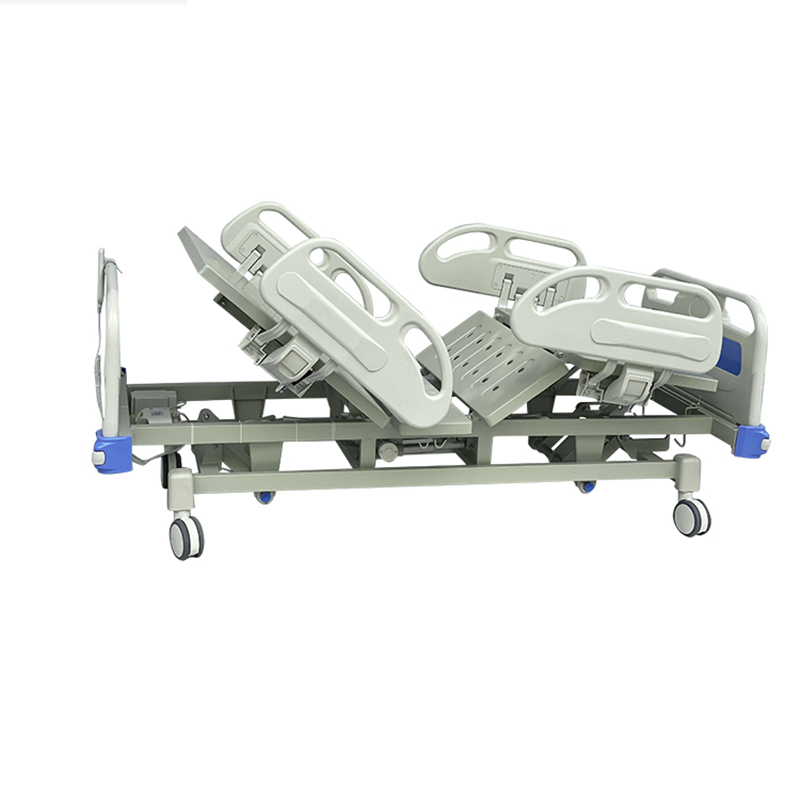
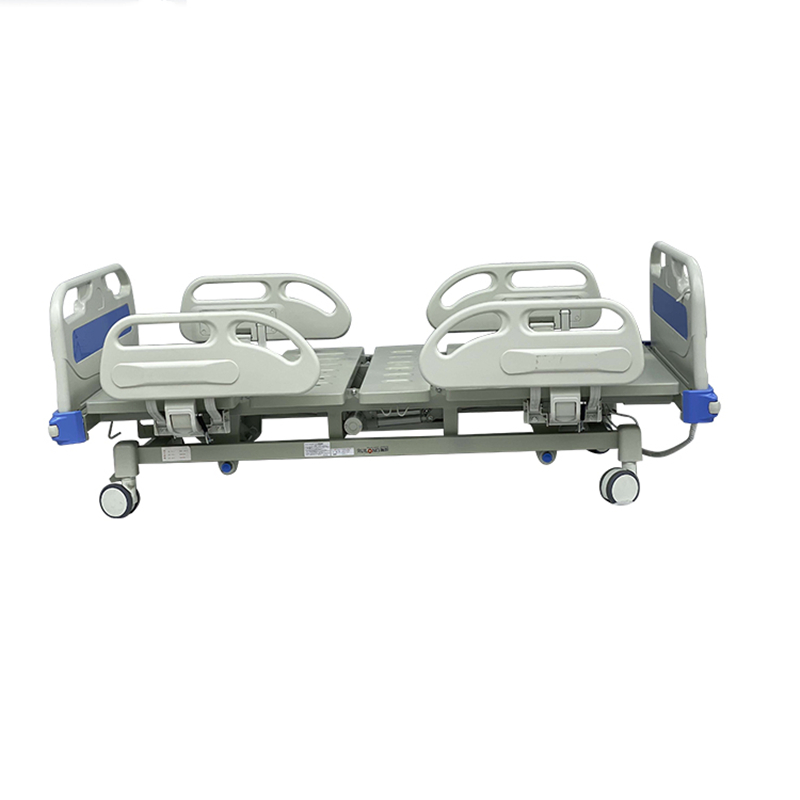
1 / 5
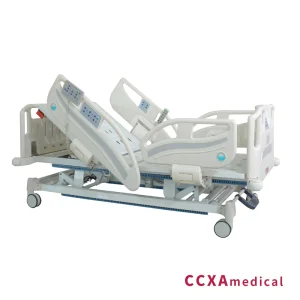
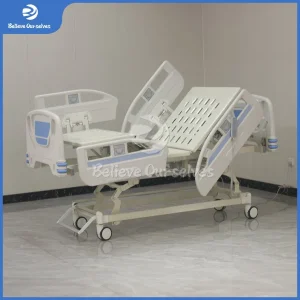
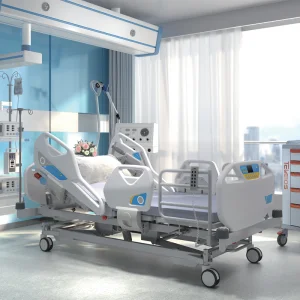
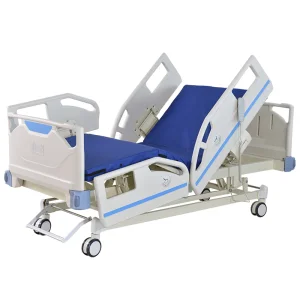
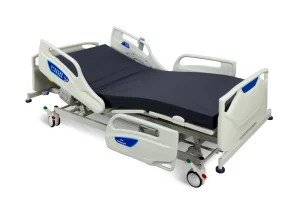
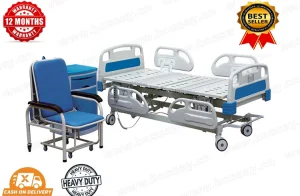
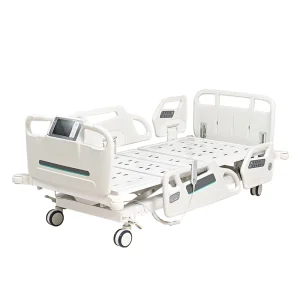
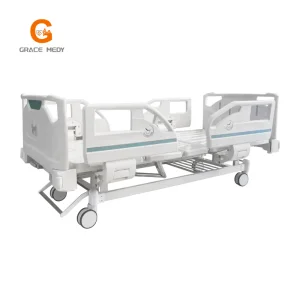
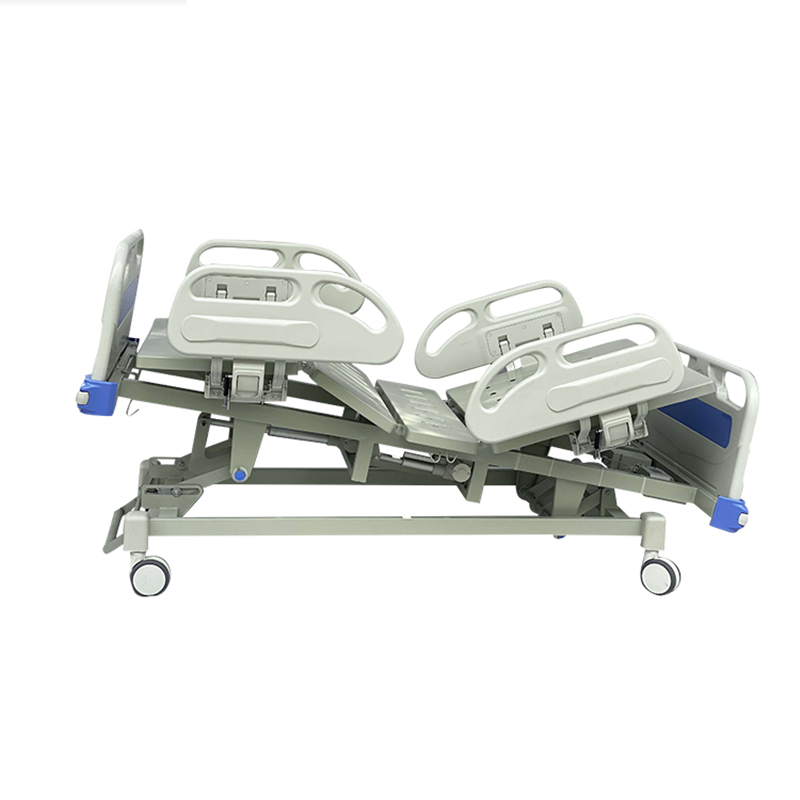
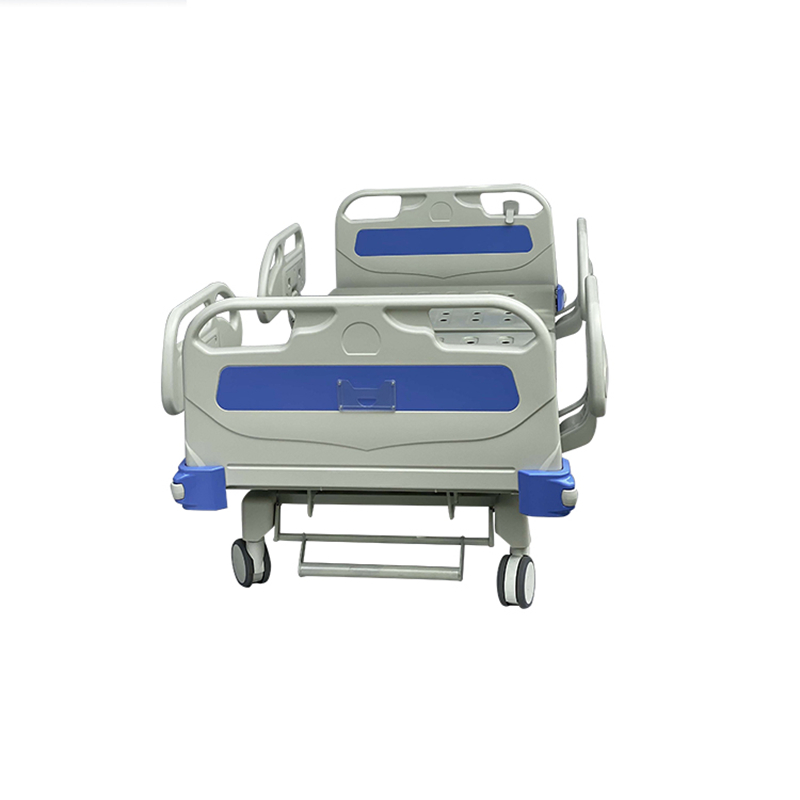
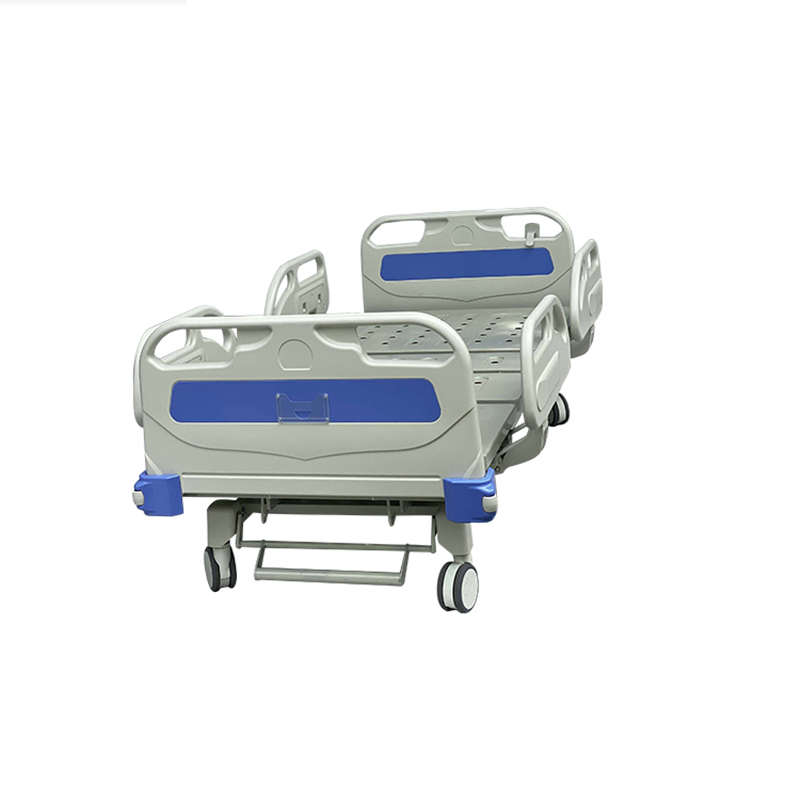
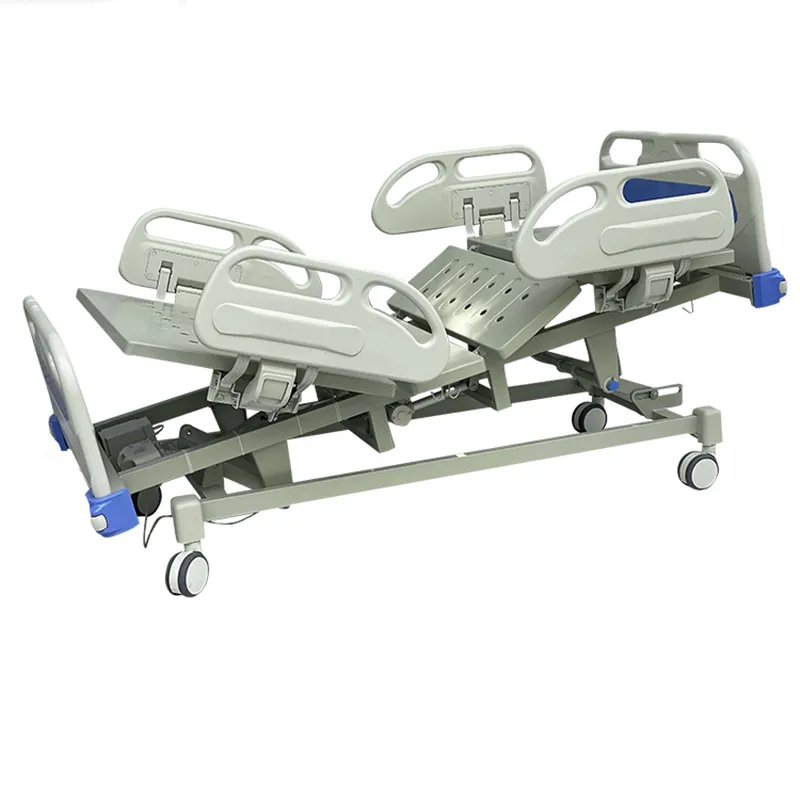
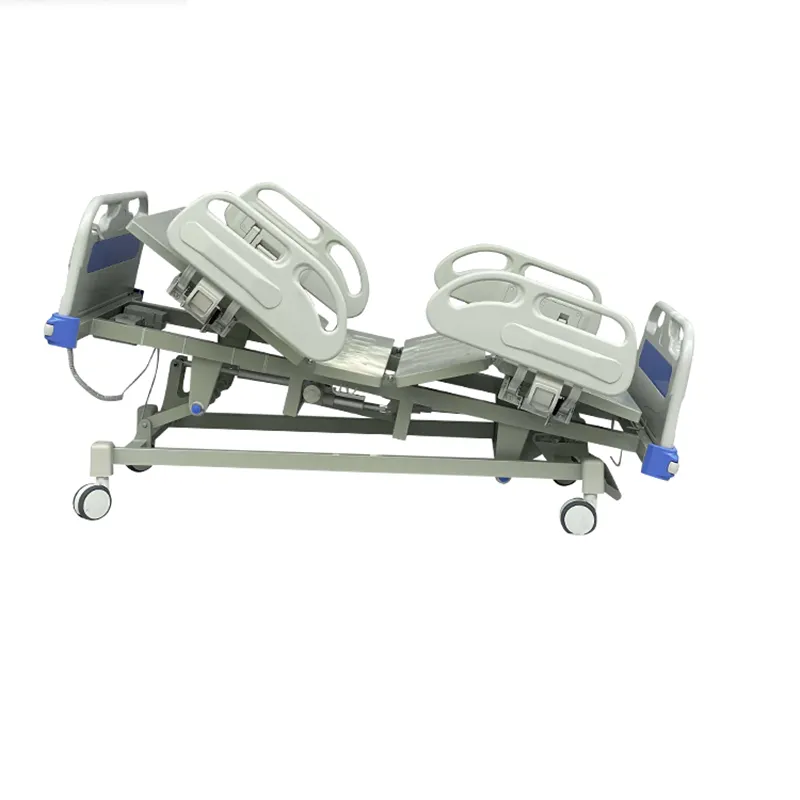
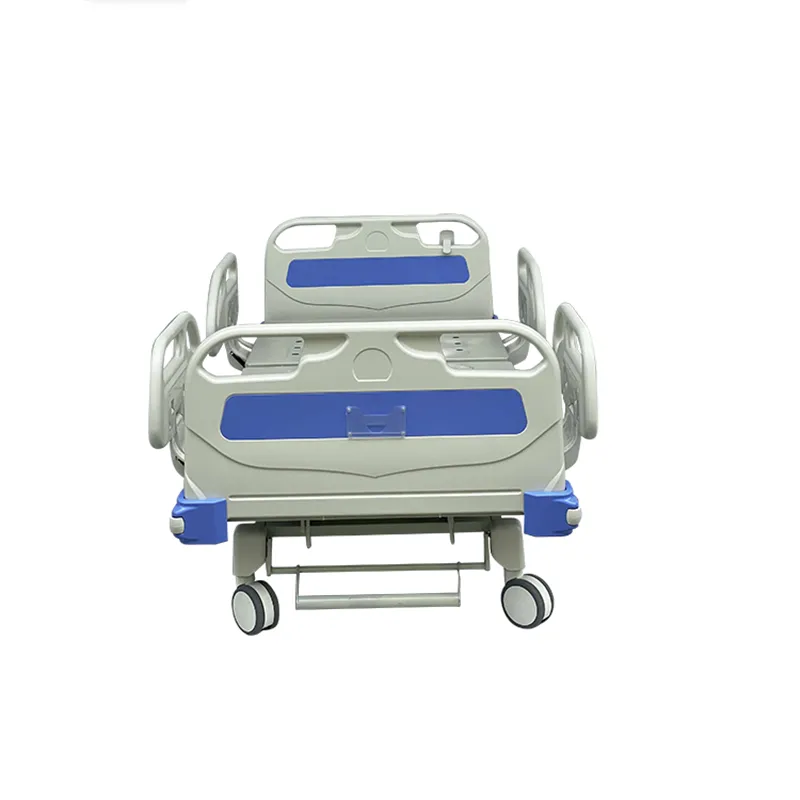
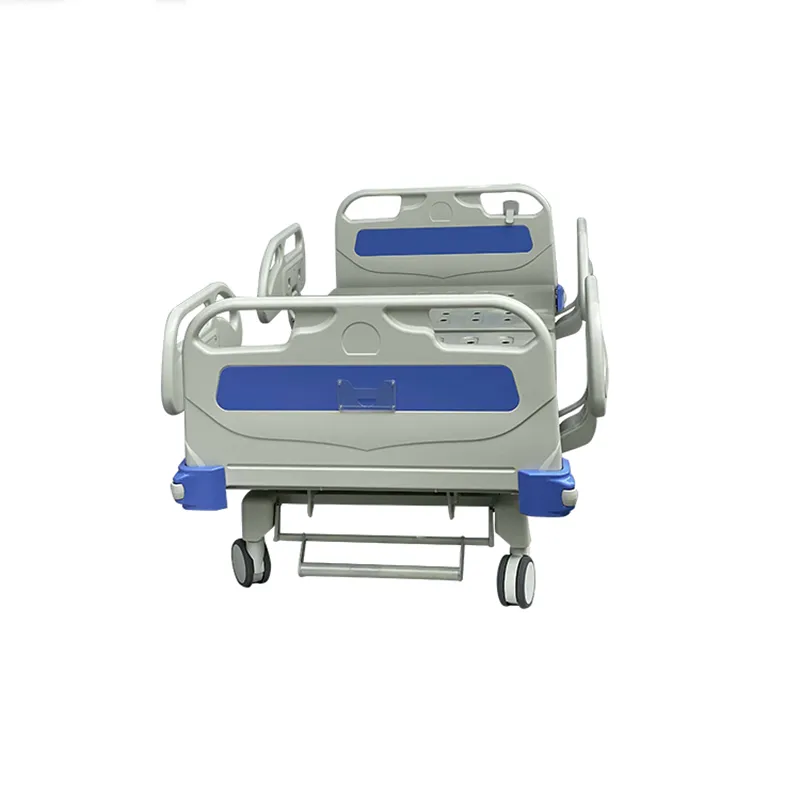
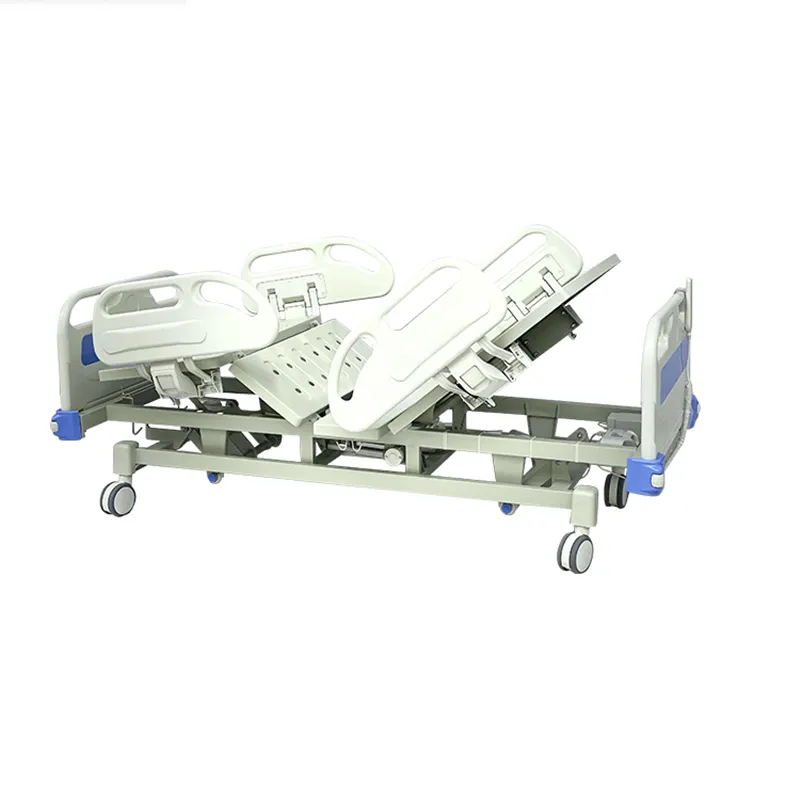
Hospital beds have features that increase the comfort for those in recovery and make it easier to manage mobility issues. Some basic features of a care bed include side rails, adjustable headrests and footrests, adjustable heights, and more room in which the patient can move around. Hospital beds are an ideal option for anyone who must be off their feet for extended periods or have trouble getting in and out of bed.
Ordinary beds are insufficient in cases of long-term immobility, leading to problems like bedsores and longer healing times. Certain conditions can make it more difficult to eat, drink, and get a good night's sleep in a regular bed. Anyone can add the utility and support of a hospital bed in the comfort of their own home or residence.
Hospital beds also make it easier for caregivers, as the height and positions are adjustable to make getting in and out of bed with less strain. The patient and caregiver can also raise the bed to make it easier for the caregiver to attend to the patient without bending over.
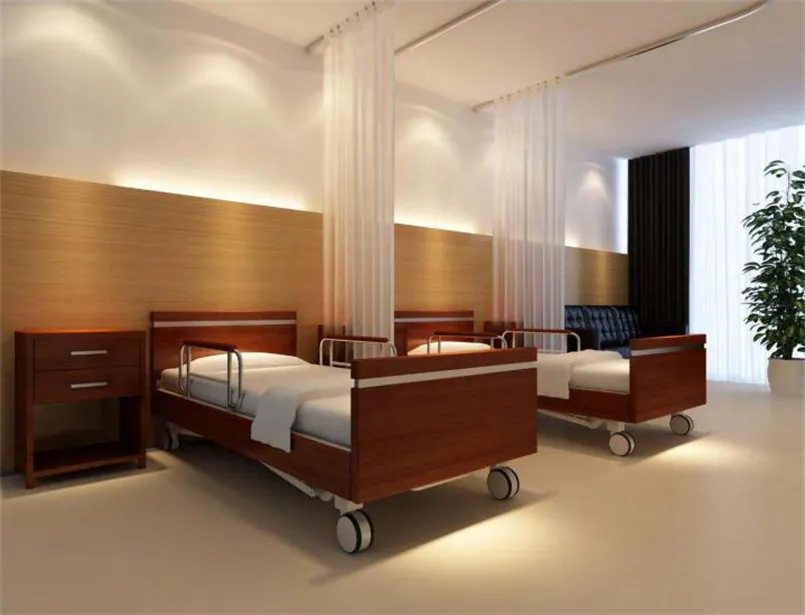
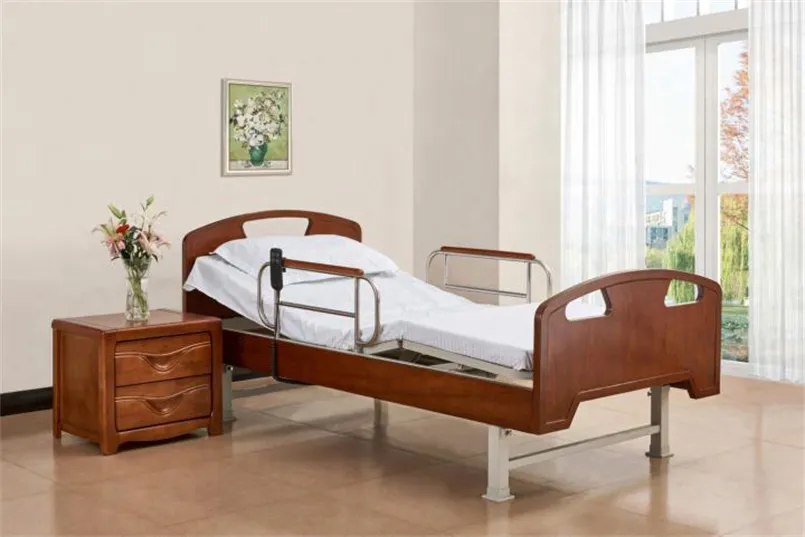
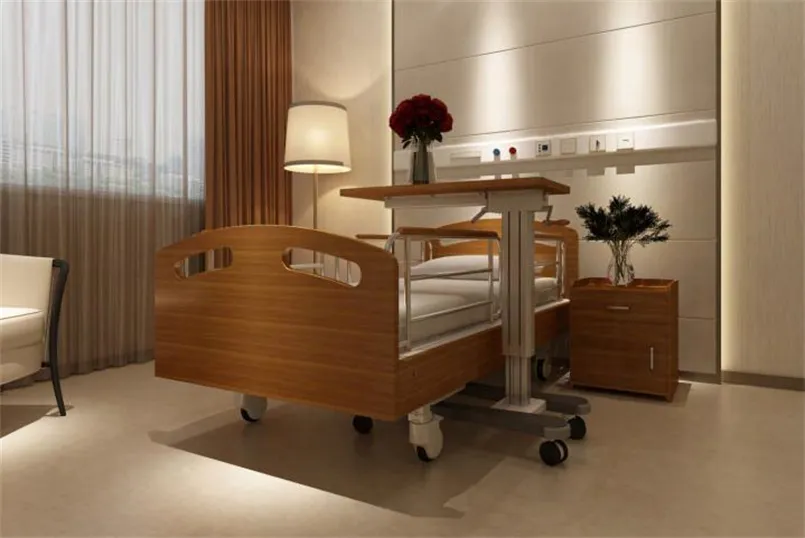
Hospital beds aren't only for those in recovery: seniors living by themselves, with family, or in a residence can enjoy the comfort, safety, and independence provided by hospital beds. These models provide functionality with an attractive design, improving the lives of anyone with long-term mobility issues.
Every model on the market is an electric bed, meaning it uses a power source to let the patient raise and lower the height, adjust the position of the mattress, and use accessories that add comfort and stability.
| Feature | Specification Details |
|---|---|
| Product | Electric Functional Bed |
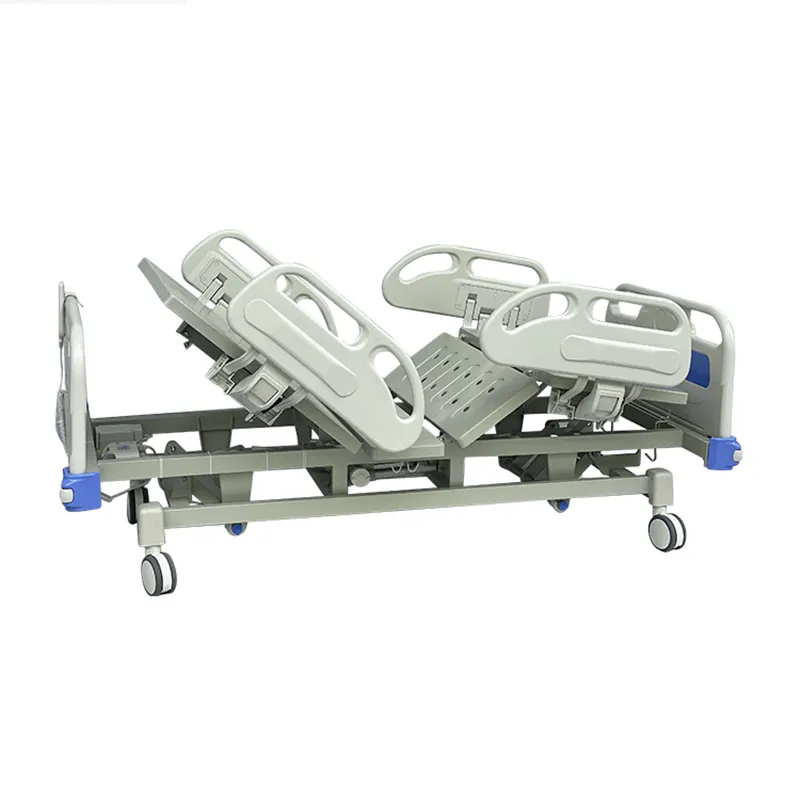
| Functions | Back lifting, leg lifting, back knee linkage, overall lifting, trendelenburg/reverse trendelenburg, CPR |
| Design | Standard Hospital Ward and long term Care units |
| Dimensions | 2200*1040* (450-720)mm |
| Safe Working Load | 220Kg |
| Trendelenburg Position | +12° / -12° |
| Max Backrest Angle | 70° |
| Max Thigh Rest Angle | 40° |
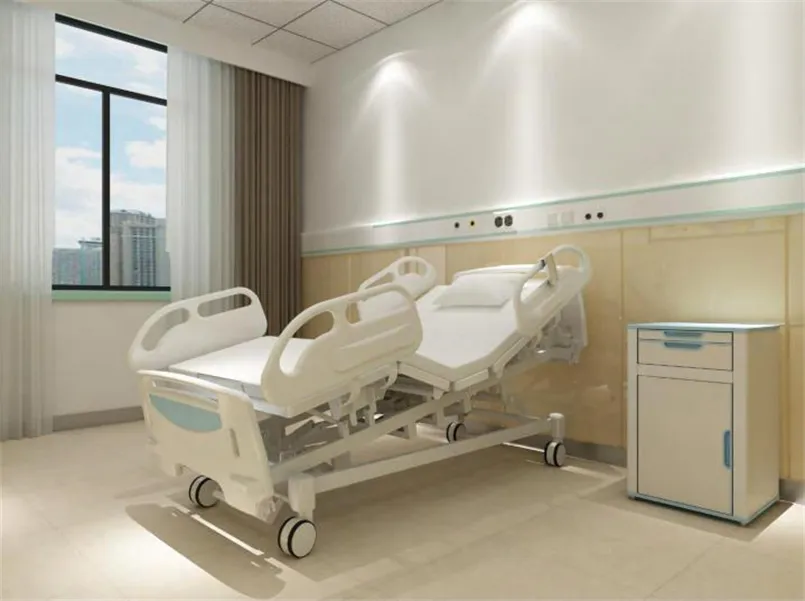
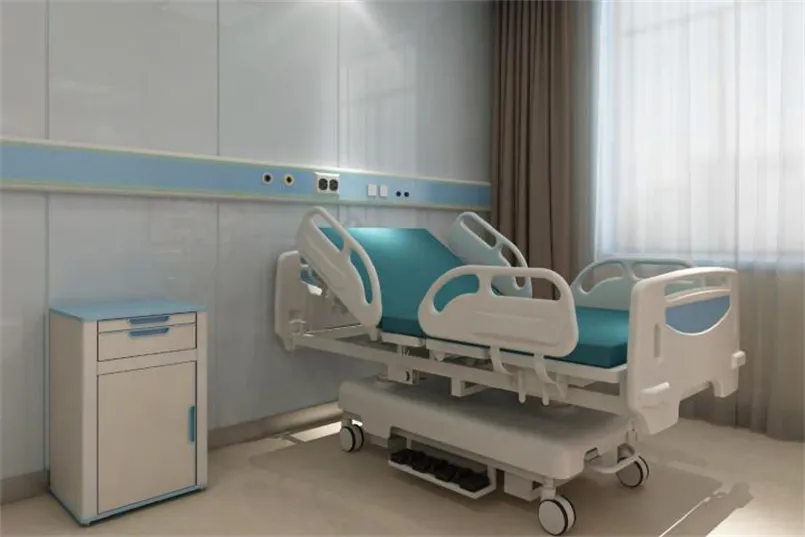
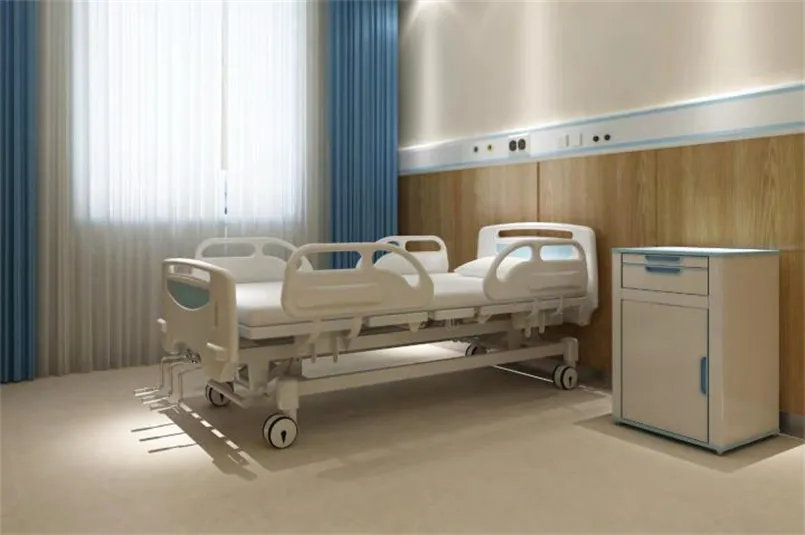
1. Patient Requirements Are Paramount: Consider why the bed is needed, the ailment type, mobility level, and if the patient can get out of bed independently.
2. Caregiver Support Requirements: Choose features that reduce physical strain on the person providing care, such as electric height adjustment.
3. Size and Spacing: Ensure the bed fits the patient comfortably and factor in the room dimensions for other medical equipment.
4. Quality Matters: High-quality construction directly impacts patient comfort and the longevity of the equipment.
5. Buy a Good Mattress: The mattress has the biggest impact on skin health and overall sleep quality for long-term patients.